Cocktails have a way of bringing people together, elevating any gathering into a memorable event.
The vibrant colors and refreshing flavors of these easy cocktail recipes are sure to impress your guests.
Whether it’s a summer barbecue or a festive holiday party, these drinks are perfect for any occasion.
With just a few ingredients and simple techniques, you can whip up cocktails that look and taste like they came from a high-end bar.
The History and Cultural Significance
• Cocktail recipes trace their origins to the 19th century in the United States, where they were created as a way to mix spirits with flavors.
• The drink culture evolved rapidly, influenced by Prohibition and the rise of speakeasies, leading to a diverse array of styles and flavors.
• Cocktails are often served at celebrations such as weddings and New Year’s Eve, symbolizing festivity and good cheer.
• While many variations exist across different cultures, the authentic cocktail combines balance and creativity that sets it apart from imitations.
Recipe Overview
Nutritional Information (per serving)
Ingredients
Essential Equipment Guide
Shaker: A shaker is crucial for mixing and chilling cocktails effectively. Look for a two-piece or three-piece shaker, as they provide better sealing and aeration for your drinks.
Strainer: A strainer helps to separate the ice and solid ingredients from the liquid. A fine mesh strainer is ideal for preventing any small bits from getting into your cocktail.
Jigger: This precise measuring tool ensures accurate ingredient proportions. Choose a jigger with both 1-ounce and ½-ounce measurements for versatility.
Preparation Methods
Shaking: Shaking is essential for blending flavors and chilling the cocktail. Fill the shaker with ice, add your ingredients, and shake vigorously for 15-20 seconds to ensure proper mixing.
Straining: Straining is important to serve a smooth cocktail without ice or bits. Use a fine mesh strainer to ensure no pulp or ice makes it into the glass, giving a clean finish.
Garnishing: Garnishing enhances presentation and aroma. Use fresh ingredients like herbs or fruit to create visual appeal and elevate the drinking experience.
Step 1: Gather Ingredients
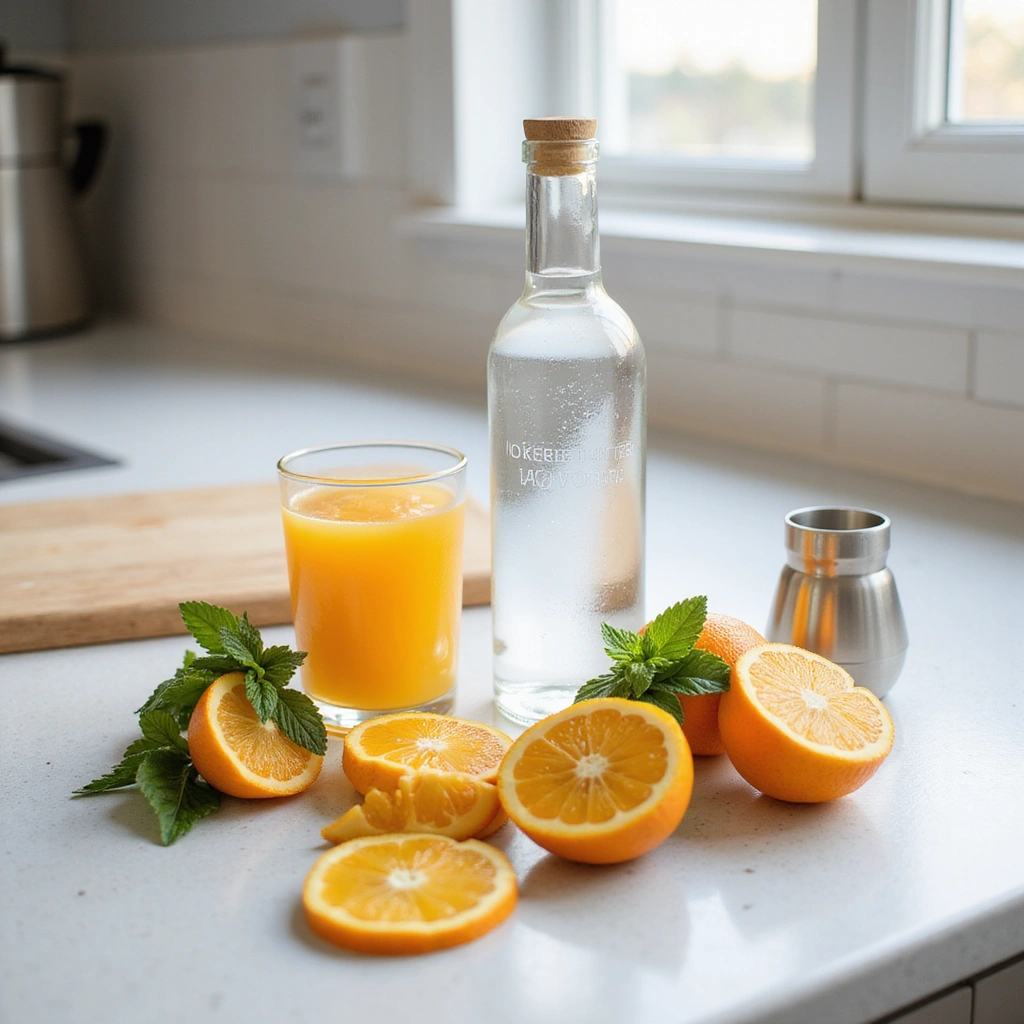
Begin by assembling all your ingredients on a clean countertop.
Make sure you have your vodka, orange juice, and garnishes ready.
This will streamline the cocktail-making process.
Double-check that everything is fresh for the best flavors.
Step 2: Measure Ingredients
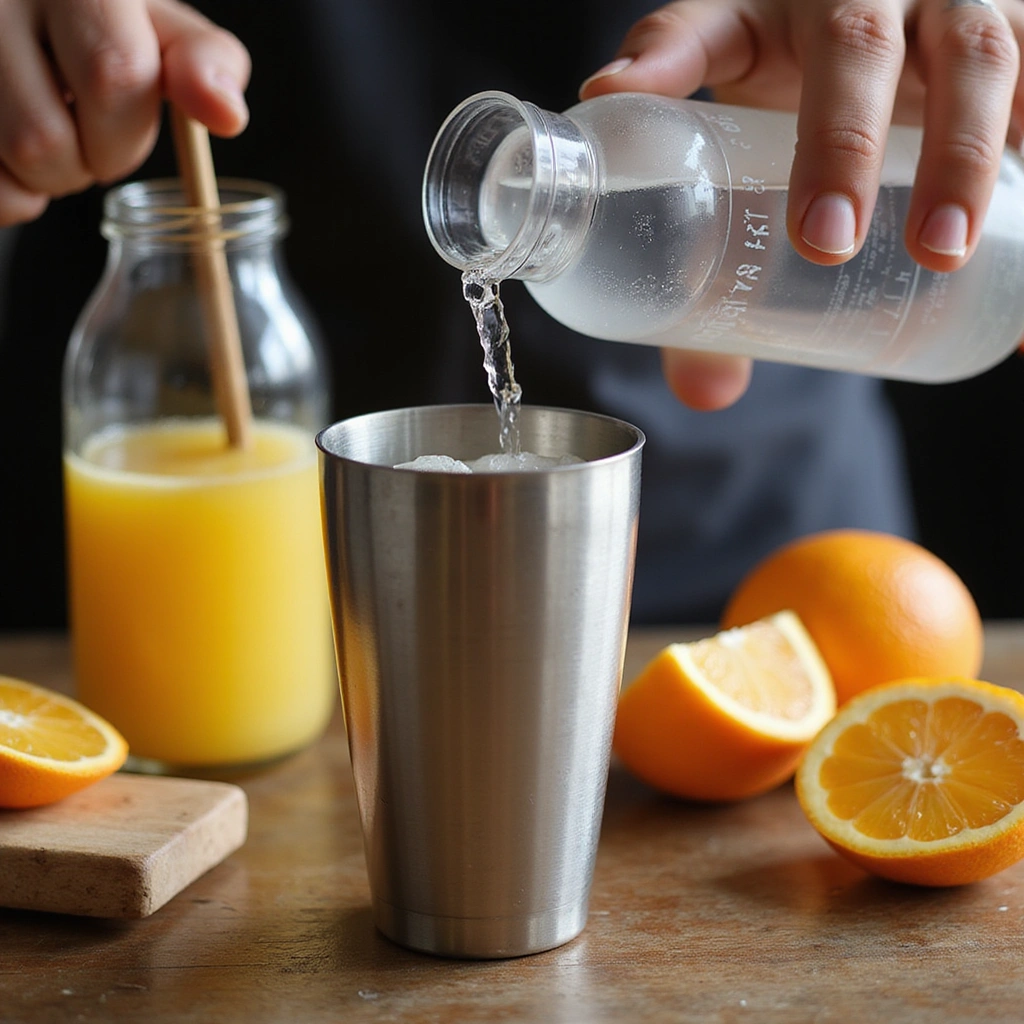
Use a jigger to measure 1 cup of vodka and pour it into the shaker.
Next, measure 1 cup of fresh orange juice.
Carefully add the juice to the shaker with the vodka.
Precision here ensures a balanced flavor in your cocktail.
Step 3: Add Ice
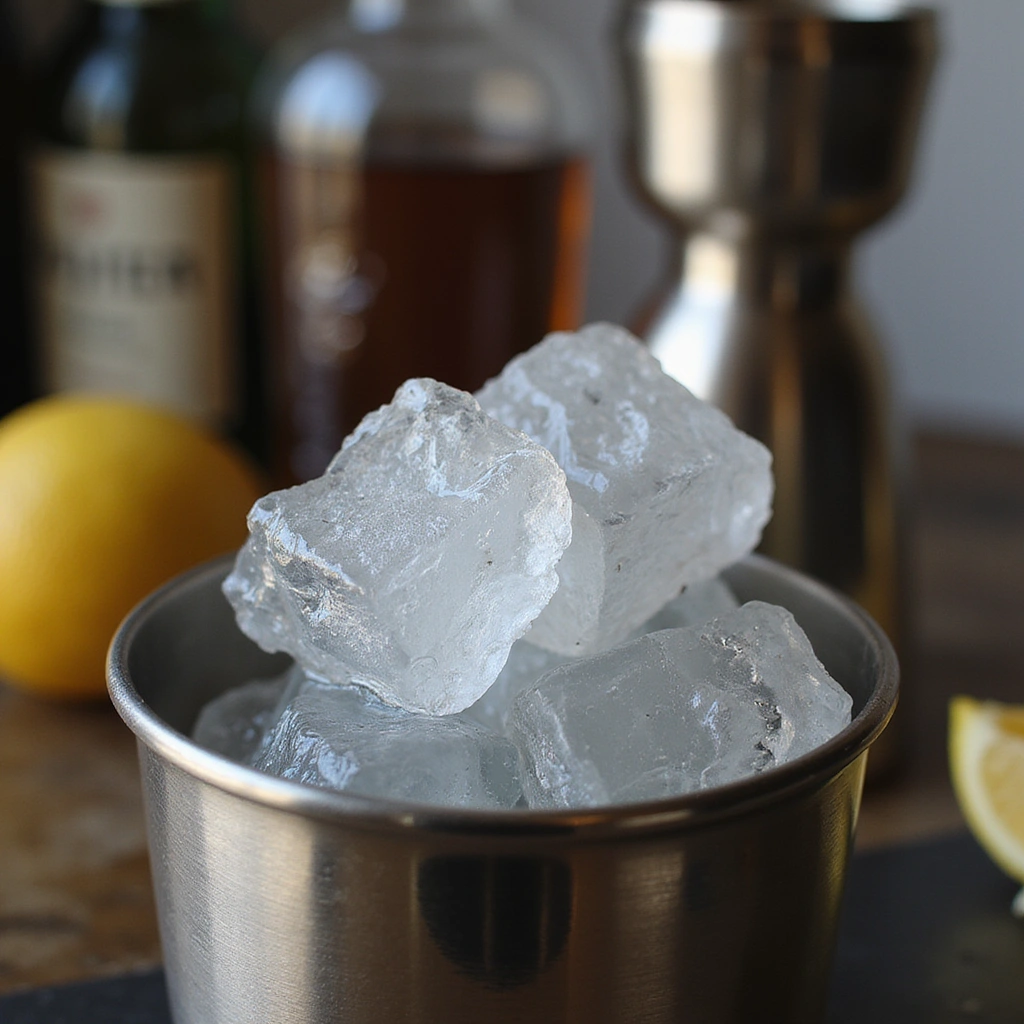
Fill the shaker with ice cubes, about halfway full.
The ice will chill the cocktail while mixing it.
Use large cubes for slower dilution and a better texture.
Ensure the shaker is filled sufficiently to mix the ingredients well.
Step 4: Shake the Cocktail
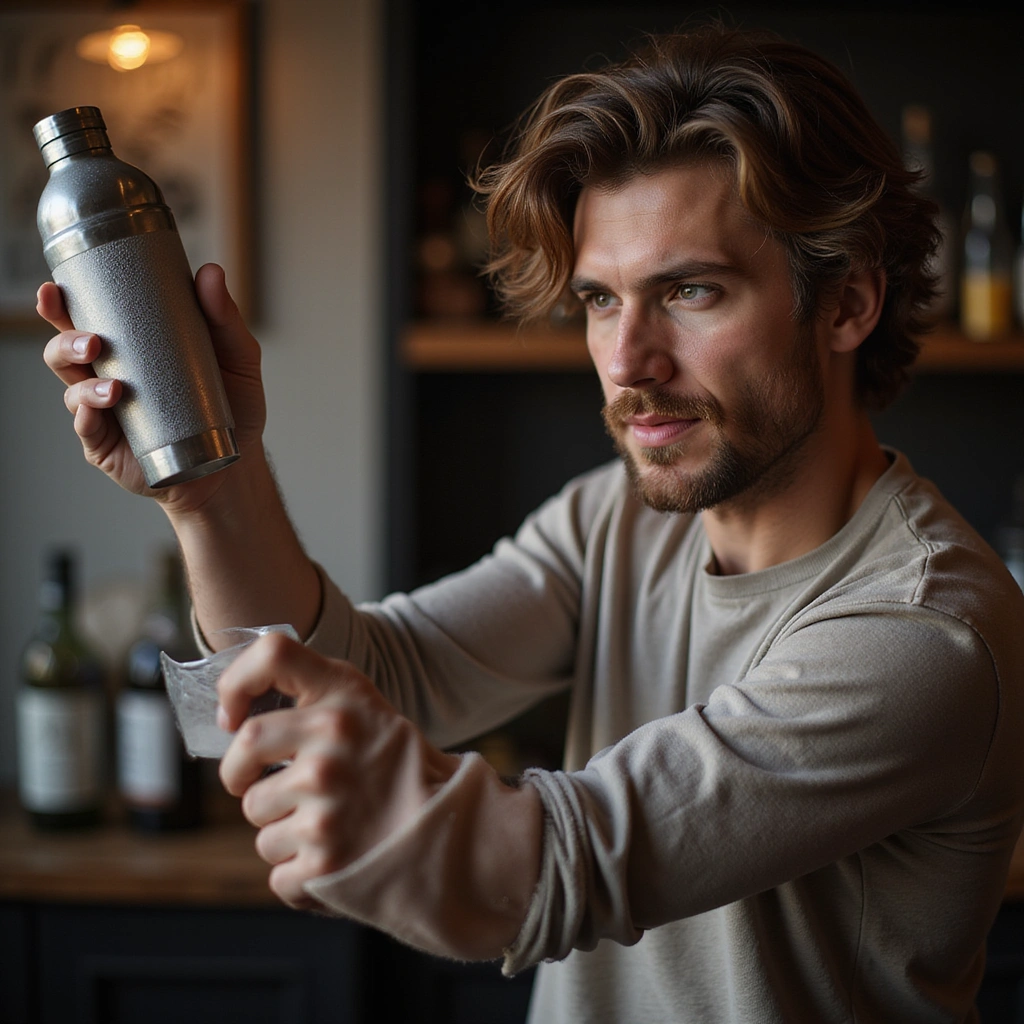
Secure the lid on the shaker tightly to prevent spills.
Shake vigorously for about 15-20 seconds.
You should feel the shaker getting cold to the touch, indicating proper chilling.
This technique blends the flavors and aerates the drink.
Step 5: Prepare Glasses
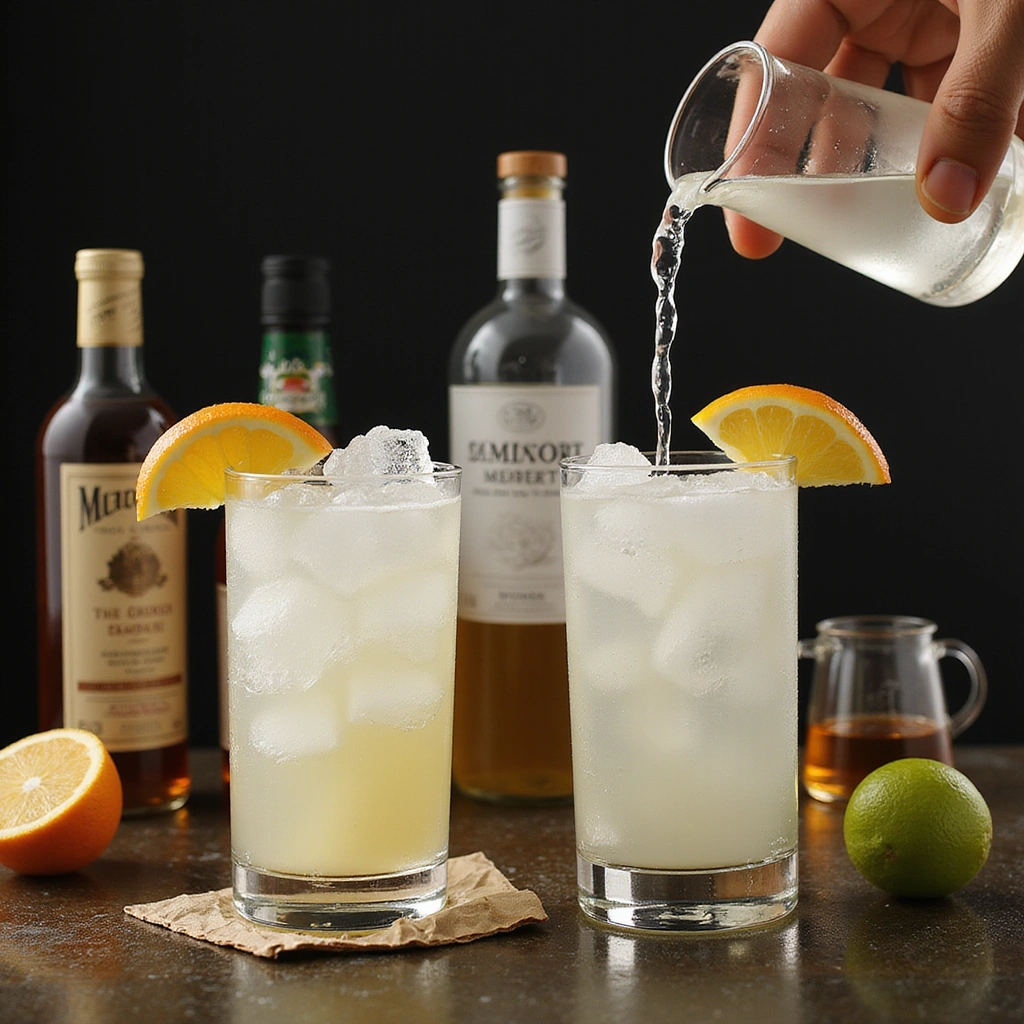
While shaking, prepare your serving glasses by chilling them if desired.
Simply fill them with ice water for a few moments.
Empty the glasses before pouring the cocktail.
Chilled glasses enhance the overall drinking experience.
Step 6: Strain the Cocktail
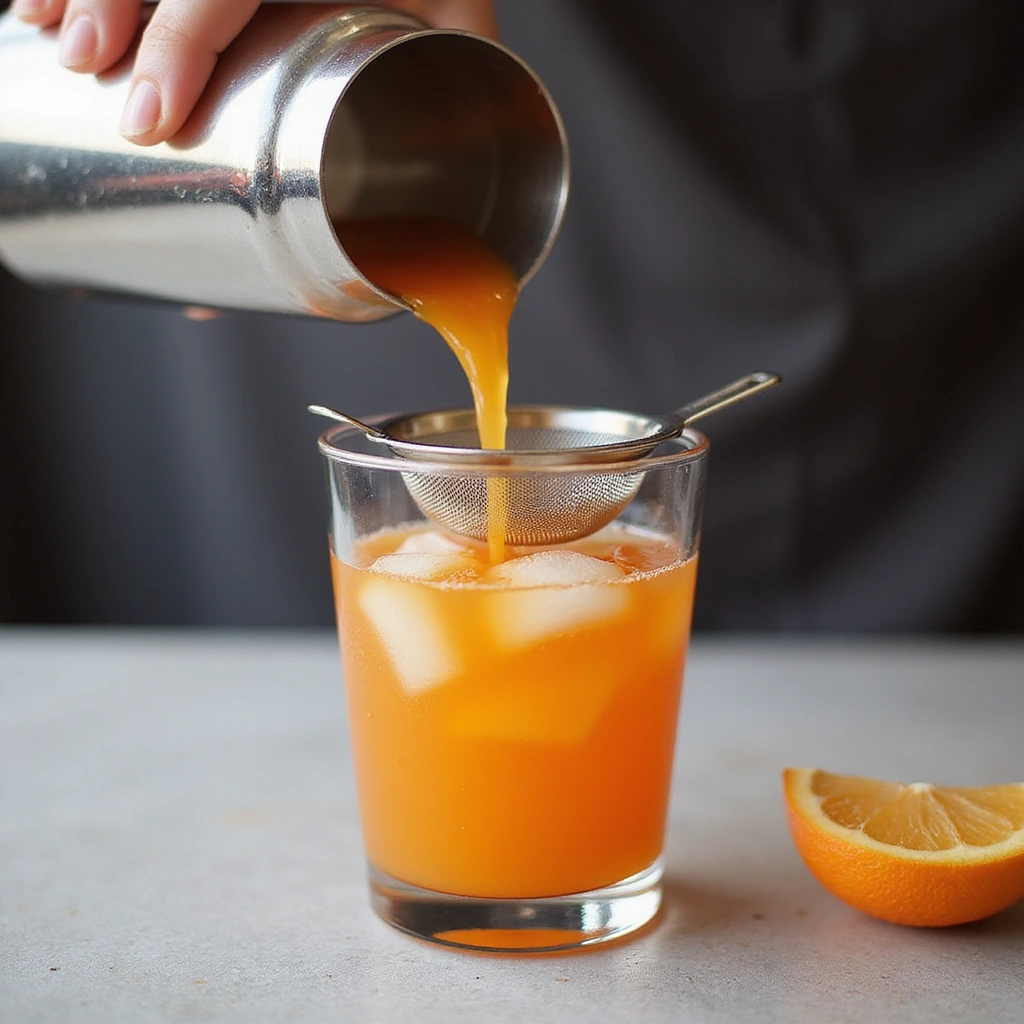
After shaking, remove the lid from the shaker and place it over the glass.
Use a strainer to pour the cocktail into the prepared glasses.
Ensure no ice or fruit pulp gets into the drink.
This step results in a smooth and appealing cocktail.
Step 7: Garnish the Drink
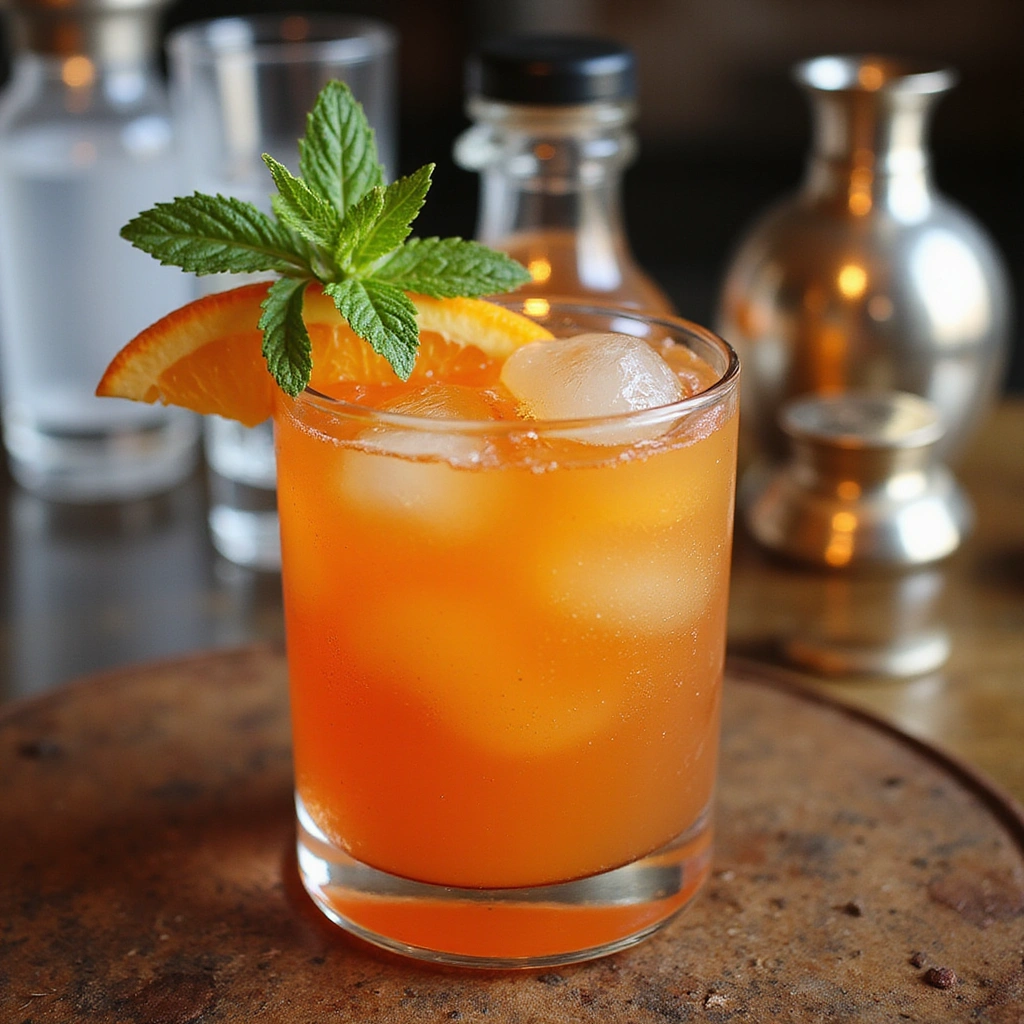
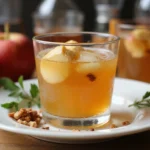
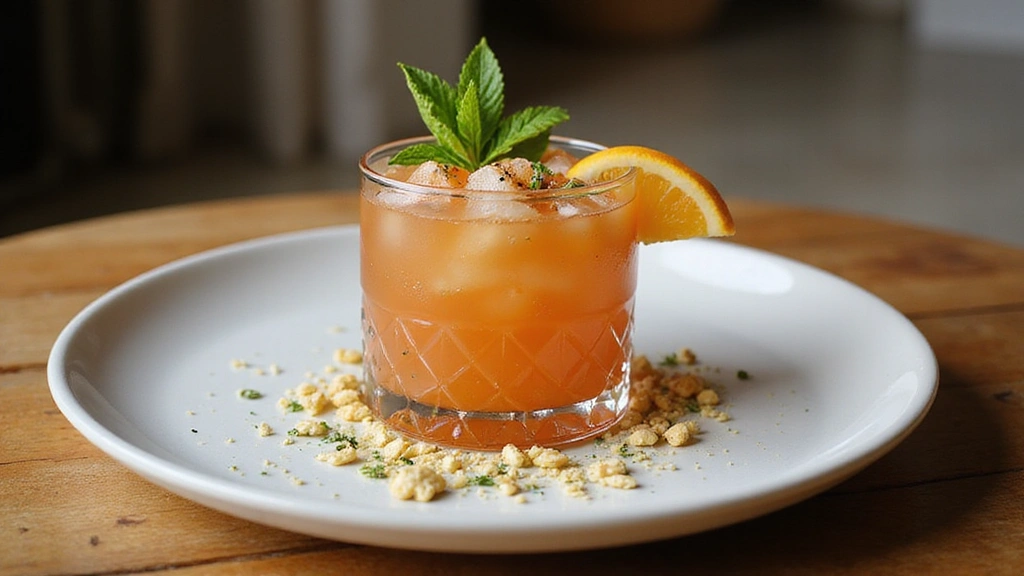
Take a fresh orange slice and place it on the rim of the glass.
Add a sprig of mint for an aromatic touch.
This not only enhances the presentation but also adds a delightful fragrance.
Garnishing makes your cocktail visually appealing and inviting.
Step 8: Serve and Enjoy
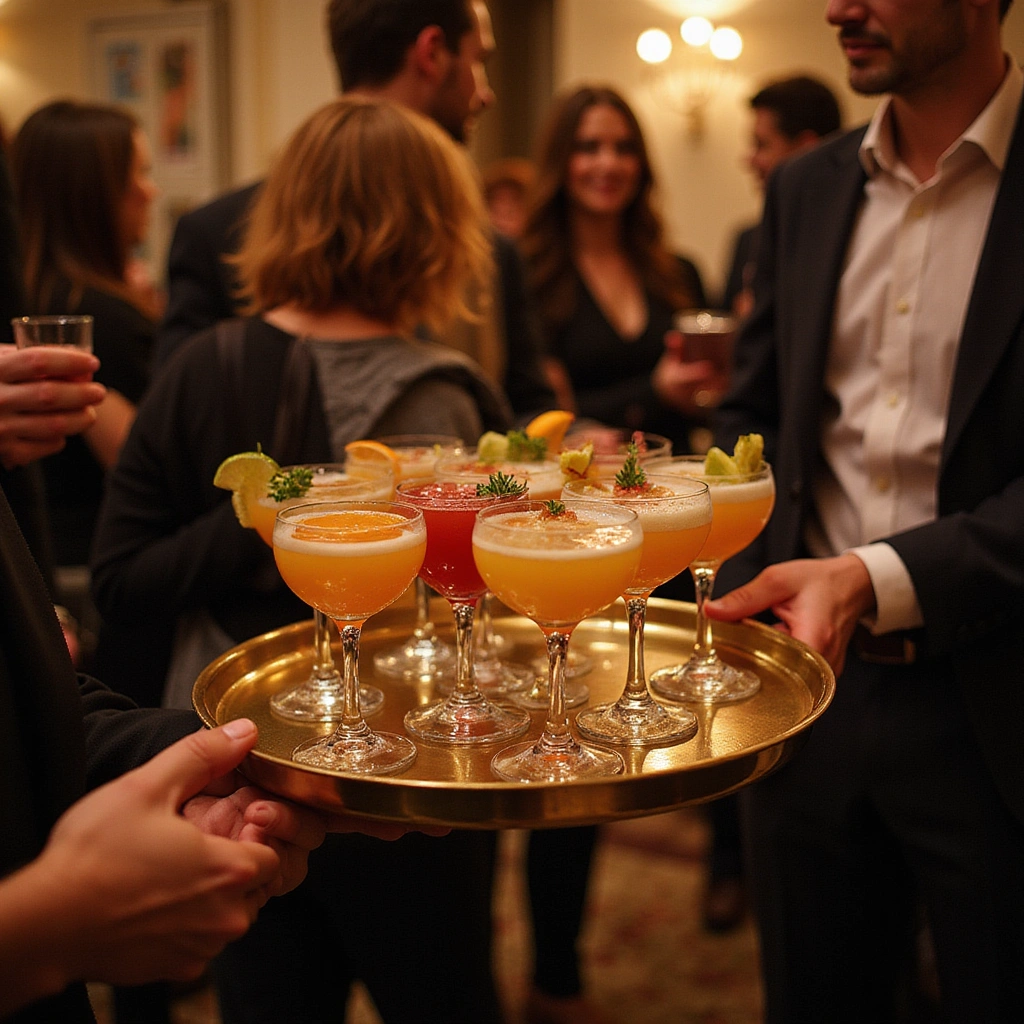
Your cocktails are now ready to be served!
Present them on a tray for a polished look.
Encourage your guests to enjoy the refreshing flavors.
Cheers to a wonderful gathering!
Critical Timing and Temperature Guide
Shaking Time: Shake for 15-20 seconds until the shaker is cold. Avoid over-shaking, which can dilute the cocktail too much.
Straining Time: Strain immediately after shaking to prevent the drink from warming up. Aim for a smooth pour without interruption.
Serving Temperature: Serve cocktails cold for the best experience. If glasses are not chilled, the drink may lose its refreshing qualities quickly.
Pro Tips for Cocktail Recipes For Party Easy Drinks To Impress Guests
• Ingredient Selection: Use fresh-squeezed orange juice for a brighter flavor compared to bottled.
• Preparation Secret: Shake with ice until fully chilled, but not so long that the ice melts significantly.
• Temperature Management: Always chill your glasses and use large ice cubes to minimize dilution during shaking.
• Texture Enhancement: Shaking creates a frothy texture that enhances mouthfeel, so don’t skip this step.
• Flavor Layering: Consider adding a splash of grenadine for a layered look and additional flavor complexity.
• Make-Ahead Strategies: Pre-measure ingredients and store them in the fridge until ready to shake.
• Restaurant-Quality Finishing Touches: Use fresh herbs or edible flowers as garnishes to elevate presentation.
• Equipment Optimization: Invest in a quality shaker and strainer for best results.
Troubleshooting Common Issues
• Over-Diluted Cocktails: This occurs if you shake too long or use small ice. To fix it, reduce shaking time and use larger ice cubes.
• Unbalanced Flavors: If the drink is too sweet or sour, adjust ingredients in future attempts. Taste as you mix to find the right balance.
• Pulp in the Drink: This can be avoided by straining thoroughly. Use a fine mesh strainer for best results.
• Flat Cocktails: If the drink loses its effervescence too quickly, serve immediately after mixing and use chilled ingredients.
• Weak Flavor: If the cocktail lacks depth, consider adding bitters or additional garnishes for enhanced flavor.
• Inconsistent Results: Keep track of measurements and techniques used to replicate successful cocktails each time.
Variations and Regional Differences
• French 75: This variation includes gin and champagne, offering a sophisticated twist on the classic cocktail.
• Mimosa: A brunch favorite, this drink mixes equal parts orange juice and champagne for a light, bubbly experience.
• Tequila Sunrise: This version replaces vodka with tequila and adds grenadine, creating a stunning gradient effect.
• Modern Interpretations: Contemporary cocktails may incorporate unusual ingredients like spicy peppers or herbal infusions to surprise the palate.
Food Science Behind the Recipe
• Emulsification: Shaking the cocktail helps emulsify the ingredients, creating a smooth blend that enhances the overall flavor.
• Temperature Regulation: Chilling ingredients and glassware prevents dilution, maintaining the cocktail’s flavor integrity.
• Aeration: Shaking introduces air into the mixture, which can change the flavor profile and texture, making it more enjoyable.
Frequently Asked Questions
What’s the most common mistake people make when preparing cocktails? The top mistake is over-shaking, which leads to dilution. Aim for 15-20 seconds maximum.
Can I prepare components of this dish in advance? Yes, you can pre-measure and chill the ingredients up to a day ahead.
How do I adapt this recipe for dietary restrictions? Consider using a non-alcoholic spirit or sparkling water for a mocktail version.
What’s the best way to store and reheat leftovers? Cocktails are best fresh, but you can store mixed ingredients in the fridge for a day. Shake before serving.
Can I freeze this dish? Freezing cocktails isn’t ideal, but you can freeze individual components like juices.
What wine or beverages pair best with this dish? Light, sparkling wines or fruity beers complement the cocktail well.
How can I scale this recipe up for a crowd? Multiply ingredients by the number of servings desired, maintaining the same ratios.
What side dishes complement this recipe best? Light appetizers like shrimp cocktails or fruit platters pair wonderfully.
How do professional chefs elevate this dish for restaurant service? They use unique garnishes and serve in stylish glassware to enhance the drinking experience.
Serving and Presentation Guide
• Traditional Presentation: Cocktails are typically served in stemmed glasses, garnished with fruit or herbs for a classic look.
• Modern Plating Ideas: Consider serving cocktails in unique glassware such as mason jars or coupe glasses for a trendy touch.
• Accompaniment Suggestions: Pair with light bites like canapés, dips, or cheese platters to enhance the experience.
• Special Occasion Presentation: Use decorative ice cubes with edible flowers or fruits to elevate the presentation for formal events.
Conclusion
I hope these cocktail recipes inspire you to impress your guests at your next gathering.
With just a few simple steps, you can create delicious drinks that celebrate flavors and creativity.
So gather your ingredients, shake things up, and enjoy the beautiful moments shared with friends and family.