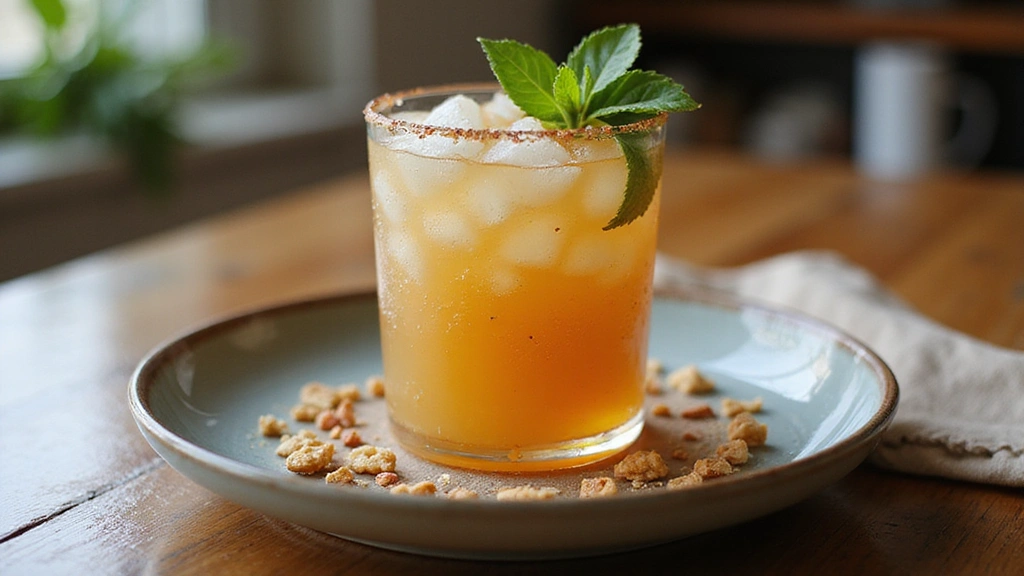
Simple syrup is the unsung hero of cocktail crafting, transforming drinks with a touch of sweetness and balance.
Its versatility allows it to complement a wide spectrum of flavors, from fruity to herbal.
I first fell in love with simple syrup while experimenting with cocktails at home, discovering how a small addition could elevate a drink from ordinary to extraordinary.
Whether you’re hosting a summer soirée or enjoying a cozy night in, these simple syrup cocktail recipes are sure to impress and delight.
The History and Cultural Significance
• Simple syrup traces its origins to the early 19th century, when bartenders began using it as a convenient way to mix sugar into cold beverages.
• Over time, the dish evolved as bartenders experimented with different flavors and infusions, leading to the creation of various flavored syrups.
• In cocktail culture, simple syrup traditionally appears in classic cocktails like the Mojito and Whiskey Sour, symbolizing the art of balance between sweetness and acidity.
• While many variations exist, the authentic version maintains its simplicity and effectiveness, making it a staple in bars and home kitchens alike.
Recipe Overview
Nutritional Information (per serving)
Ingredients
Essential Equipment Guide
Medium Saucepan: This tool is crucial for heating the sugar and water mixture evenly, allowing the sugar to dissolve completely. A heavy-bottomed saucepan is ideal to prevent scorching, while alternatives like a microwave can work but may not yield the same results.
Stirring Spoon: A long-handled wooden or silicone spoon is essential for stirring the syrup without scratching your cookware. Avoid metal spoons that can react with the saucepan, and ensure your spoon is sturdy for effective mixing.
Fine Mesh Strainer: This tool is important for straining out any solids when you infuse flavors into your syrup. A good strainer will allow you to achieve a clear syrup, free from any bits of herbs or fruit, ensuring a smooth finish.
Preparation Methods
Infusion: This technique involves steeping herbs or fruits in warm syrup to extract their flavors. It matters because it builds complexity in your cocktails. Start with a short infusion time and taste as you go to prevent overpowering your syrup.
Simmering: Gently heating the sugar and water mixture allows for complete dissolution. This is crucial to avoid gritty syrup. Keep the heat low and stir continuously until no sugar granules remain.
Straining: Using a fine mesh strainer ensures clarity in your syrup. This step is necessary to remove any particulate matter that could cloud your syrup. Pour slowly and use a spatula or spoon to press down on solids for maximum extraction.
Step 1: Combine Sugar and Water
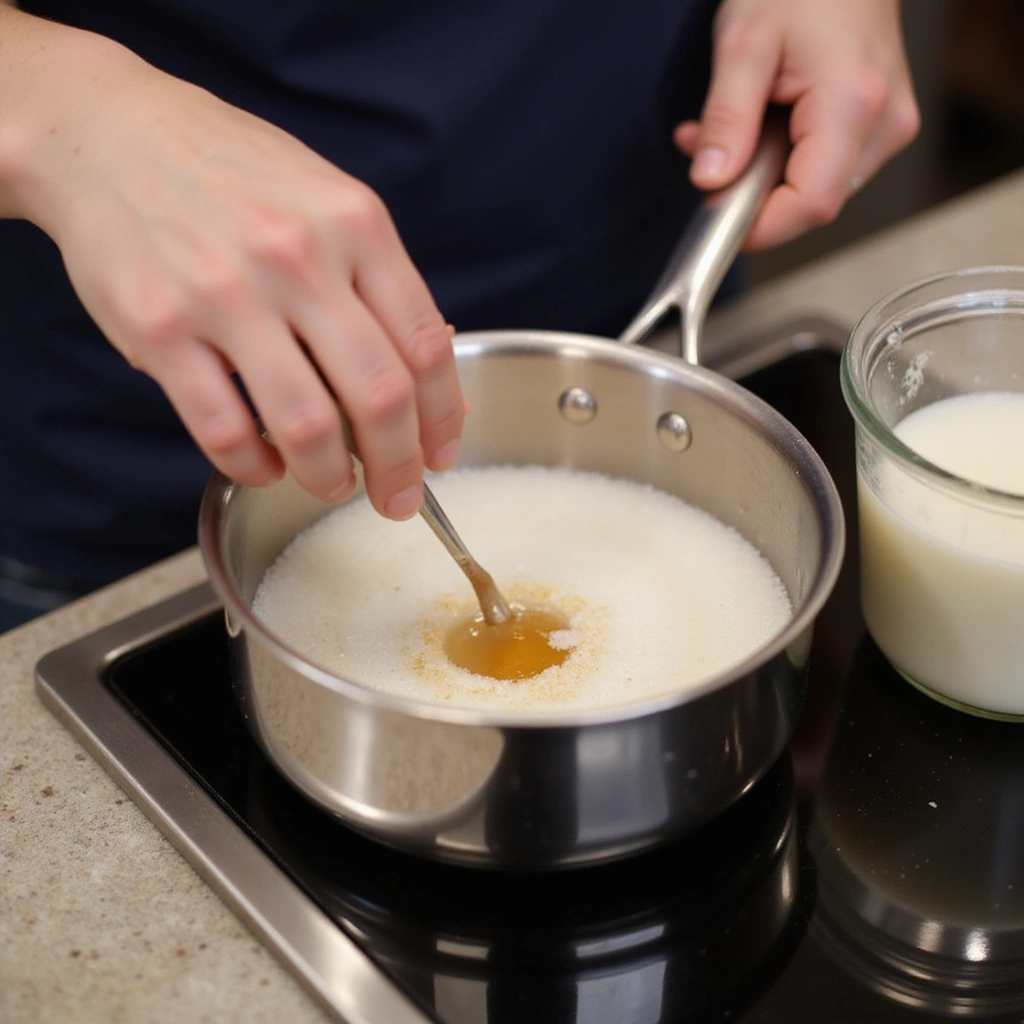
In a medium saucepan, combine the granulated sugar and water.
Stir the mixture gently to combine before placing it over medium heat.
Look for the sugar to start dissolving as the mixture heats up.
Avoid boiling the mixture to ensure a smooth syrup.
Step 2: Heat the Mixture
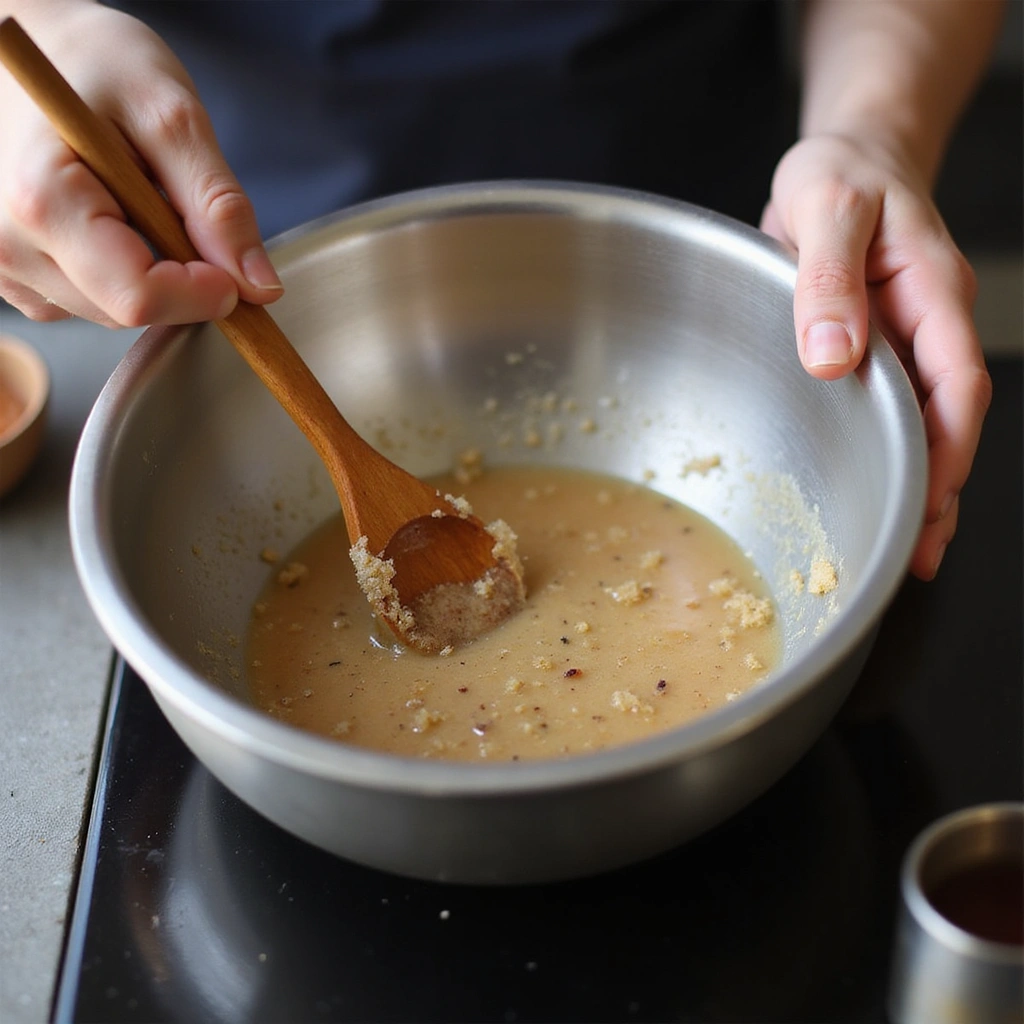
Allow the mixture to heat until the sugar is completely dissolved.
Stir continuously to help the process along.
You should see no sugar granules at the bottom of the pan when it’s ready.
This typically takes about 5 minutes on medium heat.
Step 3: Infuse Flavor (Optional)
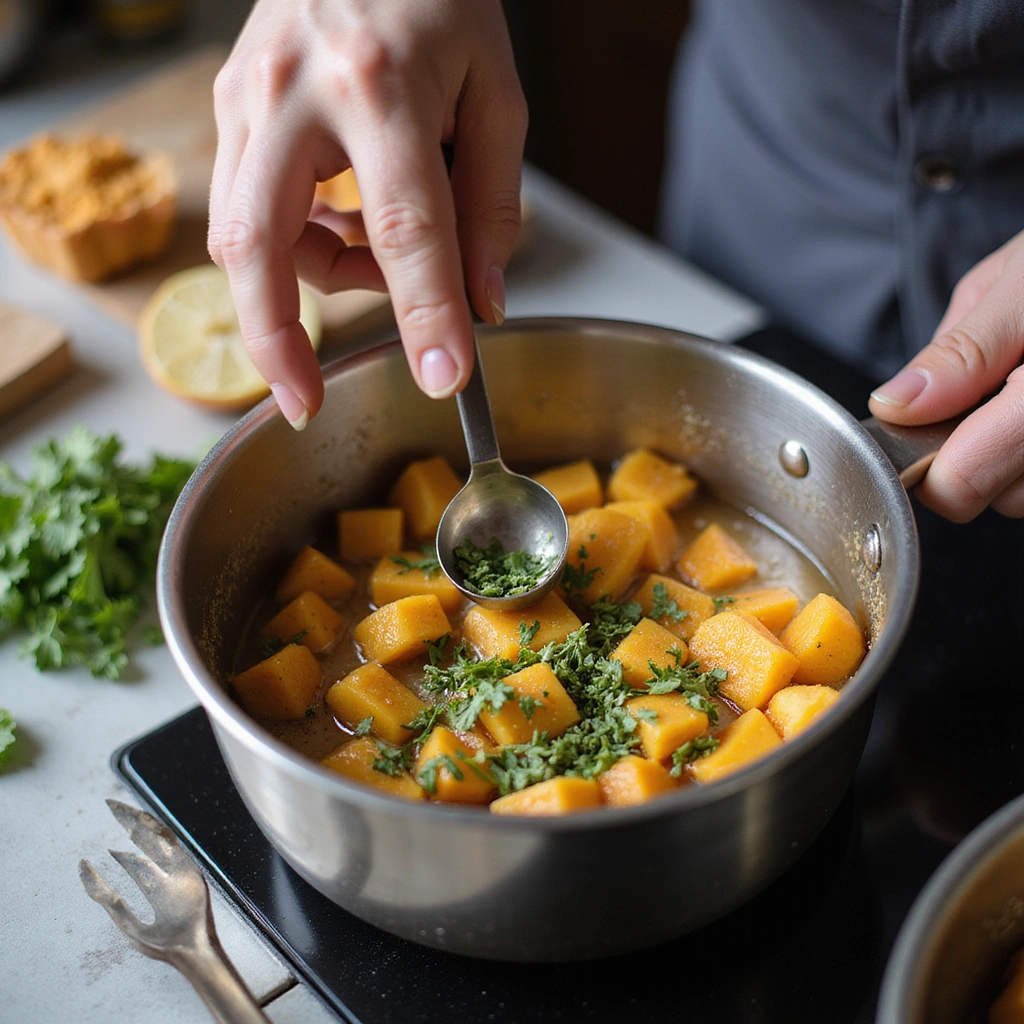
If you’re adding herbs or fruits, now is the time to do so.
Add your chosen flavorings directly into the saucepan.
Let the mixture simmer for an additional 5-10 minutes, depending on how strong you want the flavor.
Taste the syrup throughout to achieve your desired infusion level.
Step 4: Strain the Syrup
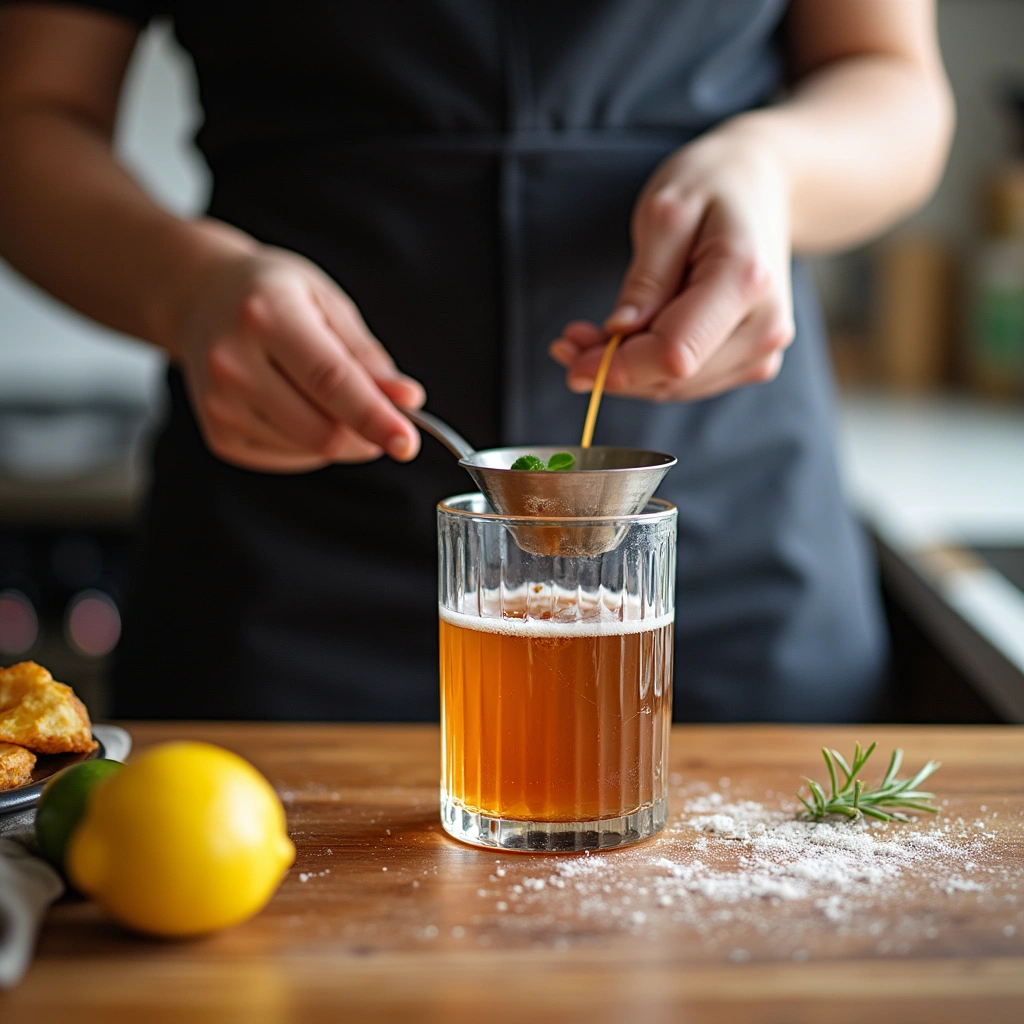
Once infused, remove the saucepan from heat and let it cool slightly.
Pour the syrup through a fine mesh strainer into a clean container.
Use a spatula to press down on the solids to extract as much syrup as possible.
This ensures your syrup is clear and free of any unwanted bits.
Step 5: Cool and Store
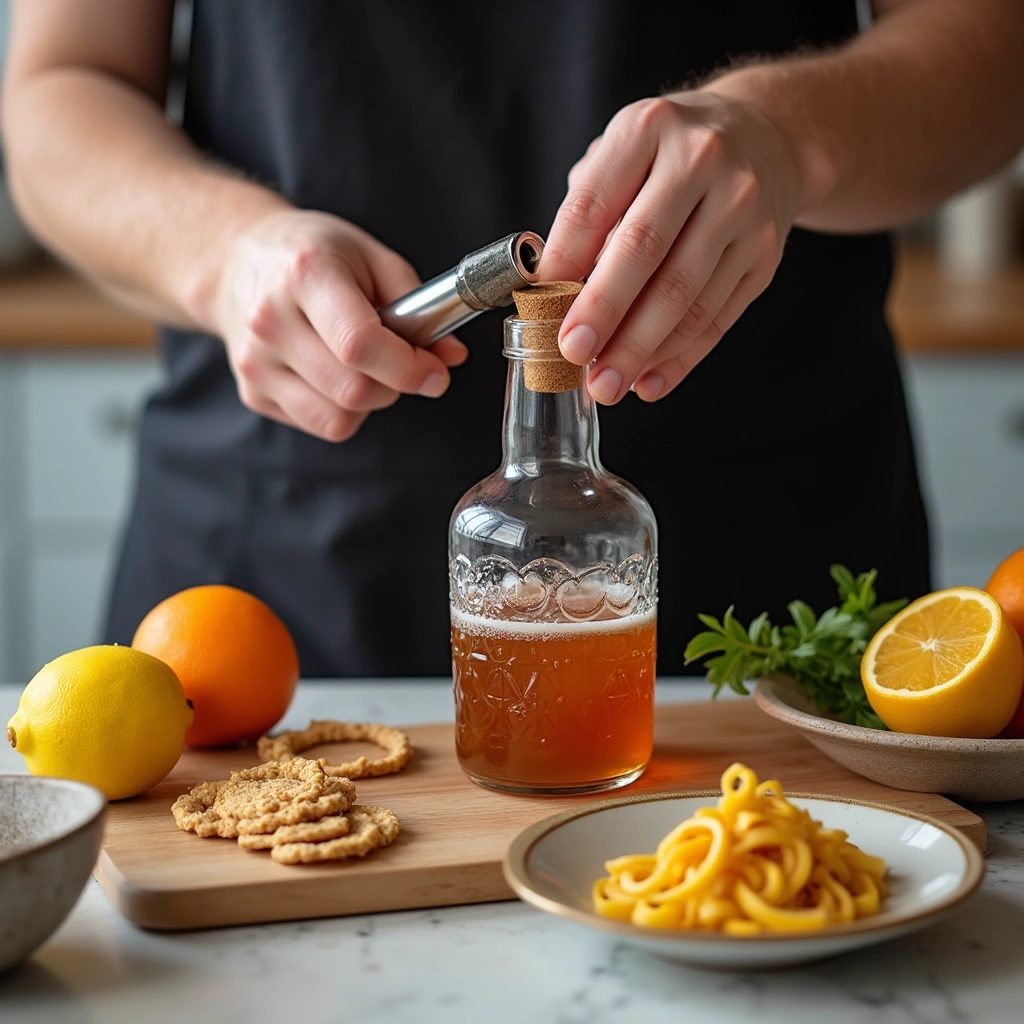
Allow the syrup to cool completely before sealing it in a bottle.
Store the syrup in a glass or plastic bottle with a tight-fitting lid.
Keep it in the refrigerator for up to a month for optimal freshness.
Label the bottle with the date to keep track of its usage.
Step 6: Use in Cocktails
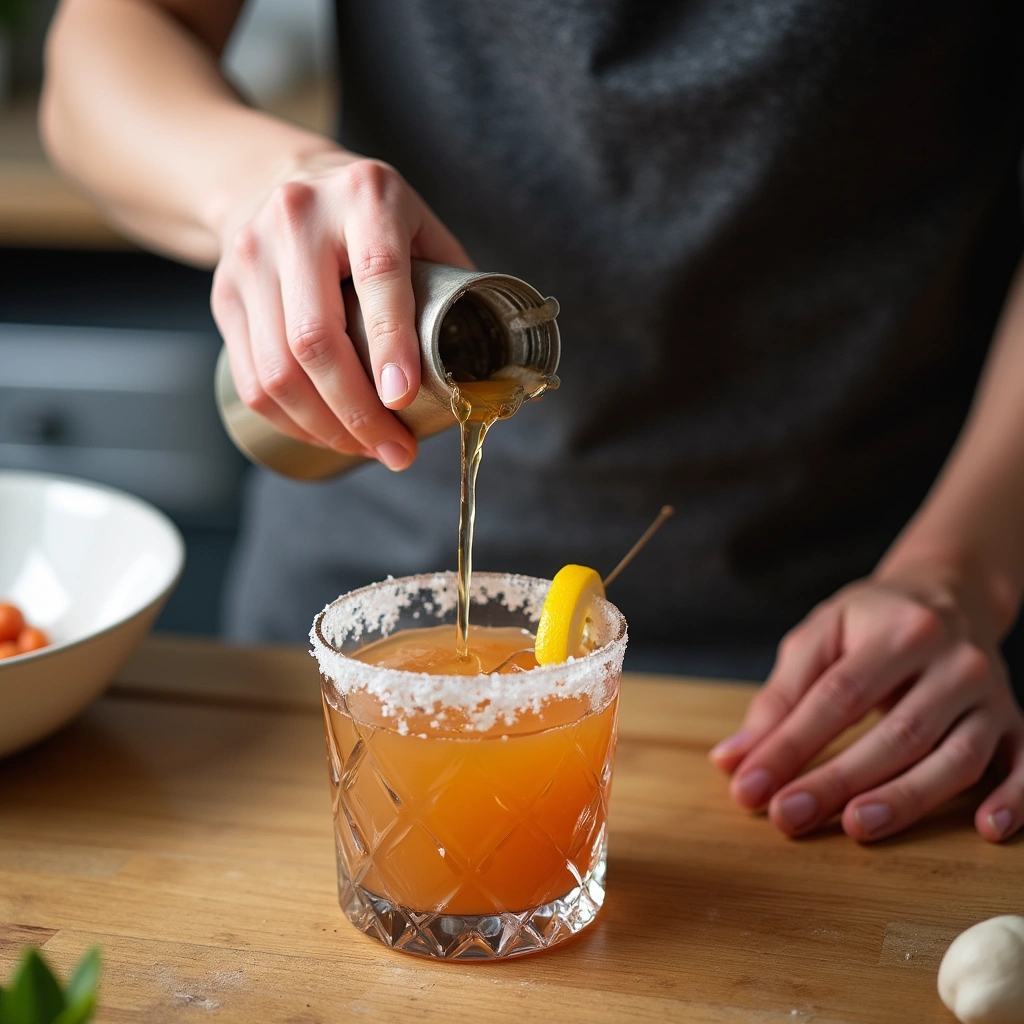
To use your simple syrup, add a splash to your favorite cocktails.
Start with a small amount and adjust to taste.
This syrup enhances the flavors of drinks like Mojitos and Daiquiris.
Experiment with different infusions to create unique cocktails.
Step 7: Experiment with Variations
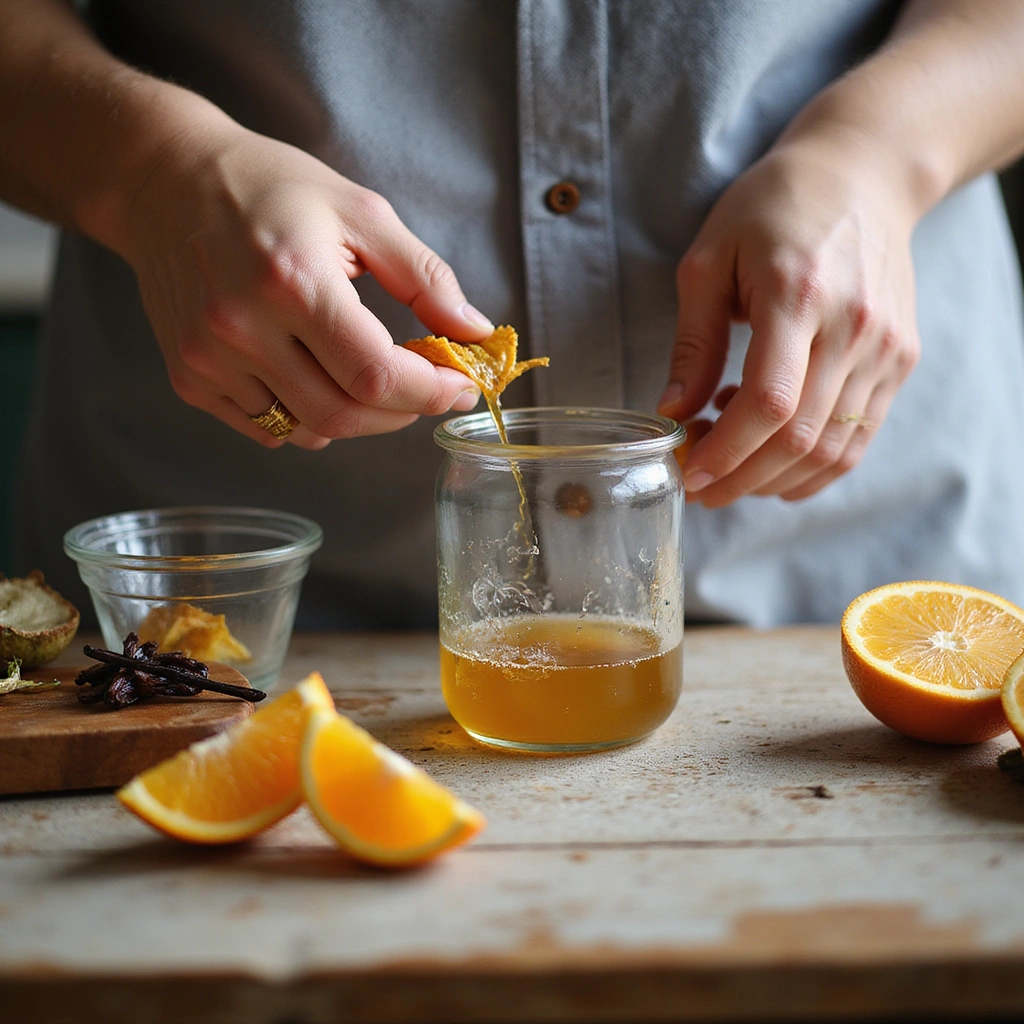
Feel free to experiment with various flavors like vanilla, ginger, or citrus peels.
Each infusion will add a unique twist to your cocktails.
Take notes on what you try so you can recreate your favorites.
This will make your cocktail-making journey even more exciting!
Step 8: Enjoy Responsibly
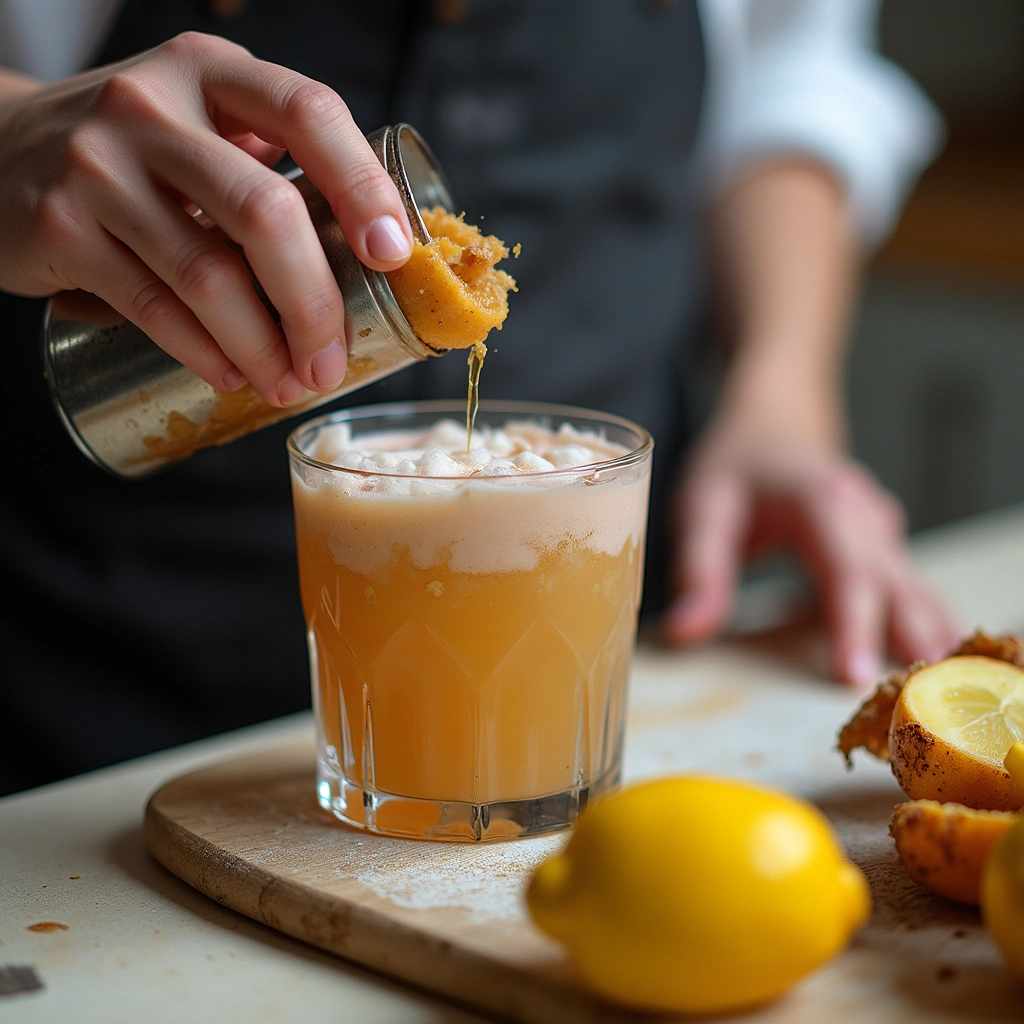
Always enjoy your cocktails responsibly.
Consider the balance of flavors in your drinks.
Drink in moderation to fully appreciate the craft of cocktail making.
Share your creations with friends for a delightful experience.
Critical Timing and Temperature Guide
Heating the Sugar Mixture: Heat the mixture gently until the sugar dissolves, which typically takes 5 minutes on medium heat. Look for a clear solution without any granules.
Infusion Time: Allow the ingredients to steep for 5-10 minutes, adjusting based on desired strength. Taste periodically to avoid overpowering flavors.
Cooling the Syrup: Let the syrup cool completely before bottling, which should take about 15-20 minutes at room temperature.
Pro Tips for Syrup Cocktail Recipes Essential Homemade Mixer
• Ingredient Selection: Use high-quality sugar, such as organic cane sugar, for a cleaner taste. Fresh herbs and fruits will also yield more vibrant flavors.
• Preparation Secret: Always taste your syrup during infusion; it’s easier to add more flavor than to remove it later.
• Temperature Management: Ensure your saucepan is on medium heat to prevent burning. A low simmer is ideal for infusing flavors.
• Texture Enhancement: For a smoother syrup, let it cool completely and strain thoroughly to remove all solids.
• Flavor Layering: Experiment with combining flavors, such as mint and lime, for a refreshing cocktail.
• Make-Ahead Strategies: Prepare your syrup in bulk and store in the refrigerator for quick cocktail mixing throughout the week.
• Restaurant-Quality Finishing Touches: Garnish cocktails with fresh herbs or slices of fruit for an elegant presentation.
• Equipment Optimization: Use a heavy-bottomed saucepan to avoid scorching the syrup.
Troubleshooting Common Issues
• Too Sweet: If your syrup is excessively sweet, dilute it with a bit of water or use it sparingly in cocktails.
• Cloudy Syrup: Cloudiness can occur if not strained properly. Always use a fine mesh strainer to ensure clarity.
• Flavor Too Strong: If the infusion is overpowering, dilute the syrup with additional water to balance it out.
• Sugar Not Dissolving: Ensure you’re heating the mixture evenly; increase the heat slightly if necessary.
• Infusion Time Too Long: If herbs or fruits are too strong, reduce infusion time during the next attempt.
Variations and Regional Differences
• Mint Simple Syrup: Commonly used in cocktails like the Mojito, this version incorporates fresh mint leaves for a refreshing taste.
• Cinnamon Simple Syrup: Ideal for fall cocktails, this variation adds cinnamon sticks to the mixture for a warm, spiced flavor.
• Citrus Simple Syrup: Made with fresh citrus peels, this syrup is perfect for brightening up cocktails and balancing sweetness.
• Modern Interpretations: Today’s mixologists often use artisanal syrups infused with exotic flavors like lavender or jalapeño for creative cocktails.
Food Science Behind the Recipe
• Dissolution: The process of dissolving sugar in water is critical for achieving the right consistency. Understanding how temperature affects solubility can help create better syrups.
• Infusion: Infusing flavors relies on the principles of extraction, where volatile compounds are released into the syrup. Proper heating enhances this process.
• Preservation: The sugar content in simple syrup acts as a preservative, inhibiting microbial growth when stored properly, which is essential for maintaining quality.
Frequently Asked Questions
What’s the most common mistake people make when preparing simple syrup? Many people forget to stir the mixture properly, leading to undissolved sugar granules. Always stir continuously on medium heat until completely dissolved.
Can I prepare components of this dish in advance? Absolutely! You can prepare the syrup ahead of time and store it in the refrigerator for up to a month.
How do I adapt this recipe for dietary restrictions? For a lower-calorie option, consider using a sugar substitute like agave syrup or monk fruit sweetener.
What’s the best way to store and reheat leftovers? Store simple syrup in an airtight container in the fridge. It doesn’t need reheating; simply use it cold or at room temperature.
Can I freeze this dish? Yes, you can freeze simple syrup in ice cube trays for convenient portions. Just thaw in the fridge before using.
What wine or beverages pair best with this dish? Light white wines or fruity cocktails pair well with simple syrup cocktails, enhancing their sweetness without overpowering them.
How can I scale this recipe up for a crowd? Simply multiply the ingredients by the number of servings needed while keeping the same ratios intact.
What side dishes complement this recipe best? Light appetizers, such as cheese platters or fresh fruit, make great companions for cocktails made with simple syrup.
How do professional chefs elevate this dish for restaurant service? They often incorporate unique flavors and serve cocktails in visually appealing glassware with thoughtful garnishes.
Serving and Presentation Guide
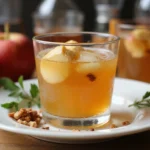
• Traditional Presentation: Serve cocktails in classic glassware such as highballs or coupes, garnished with fresh herbs or citrus wedges for a pop of color.
• Modern Plating Ideas: Use unique glassware or ice molds to create visually striking presentations that reflect the cocktail’s flavor.
• Accompaniment Suggestions: Pair cocktails made with simple syrup alongside light hors d’oeuvres such as bruschetta or shrimp cocktails.
• Special Occasion Presentation: Consider serving in elegant crystal glassware with thoughtful garnishes like edible flowers for a sophisticated touch.
Conclusion
I hope you’re inspired to whip up your own simple syrup and explore the world of cocktails.
With a little practice, you’ll be mixing like a pro in no time.
So gather your ingredients, get creative, and enjoy the delightful flavors you can create!