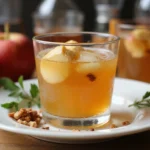
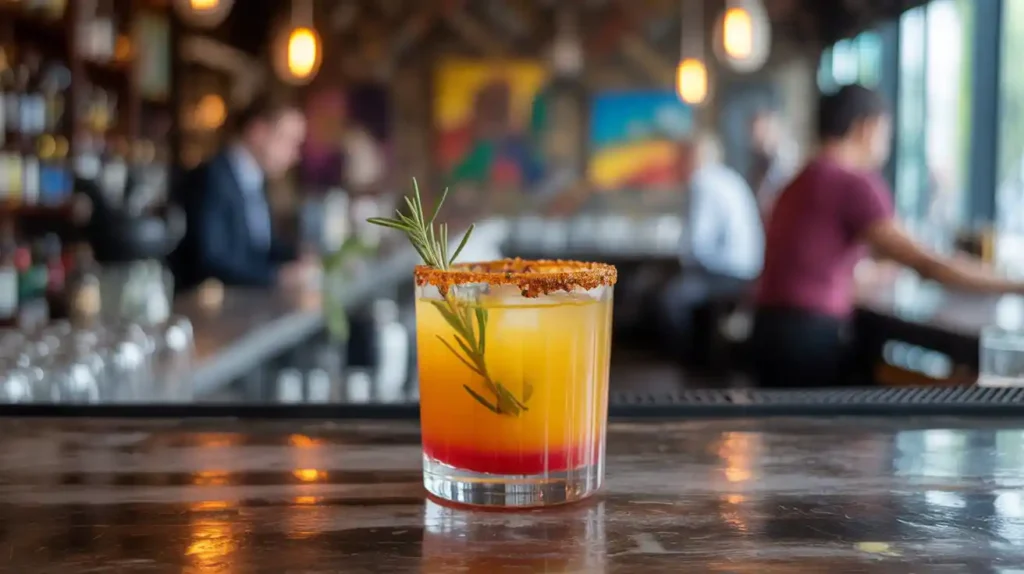
South Africa boasts a vibrant cocktail culture, influenced by its diverse communities and rich history.
These cocktails combine unique ingredients that reflect the country’s natural bounty and cultural heritage.
During my travels through South Africa, I was captivated by the refreshing flavors and innovative mixes that local bartenders crafted.
Whether you’re seeking a tropical refreshment or a sophisticated sip, these South African cocktails promise to elevate your gatherings with their distinctive tastes.
The History and Cultural Significance
• South Africa Cocktail Recipes Unique Flavors To Try traces its origins to the late 20th century, where it was originally crafted by local mixologists and home bartenders.
• The cocktail scene evolved as the country transitioned to democracy, embracing global influences while maintaining local traditions and flavors.
• In South Africa, these cocktails traditionally appear at celebrations, such as weddings and festivals, symbolizing hospitality and joy.
• While many variations exist across different regions, the authentic versions maintain the use of indigenous ingredients that set them apart from imitations.
Recipe Overview
Nutritional Information (per serving)
| Nutrition Per Serving | |
|---|---|
| Calories: | 210 |
| Protein: | 1 g |
| Carbs: | 20 g |
| Fat: | 0.5 g |
| Fiber: | 3 g |
| Sugar: | 17 g |
Ingredients
Essential Equipment Guide
Shaker: A quality cocktail shaker is essential for mixing ingredients thoroughly, ensuring a well-blended drink. Look for a shaker with a tight seal to prevent spills.
Strainer: A fine mesh strainer is important for removing ice and solid ingredients, delivering a smooth cocktail. A double strainer can be beneficial for finer ingredients like herbs.
Jigger: Accurate measurement of ingredients is crucial for balance. A jigger with both ounce and milliliter measurements allows for versatility in recipes.
Preparation Methods
Pureeing Fruits: This technique involves blending fresh fruits until smooth, creating a vibrant base for the cocktails. Use ripe fruits for the best flavor and strain for a smoother texture if desired.
Shaking Cocktails: Shaking helps to chill and dilute the drink while mixing flavors thoroughly. Aim for a vigorous shake of about 15 seconds to achieve the right balance of coldness and dilution.
Garnishing: Proper garnishing not only improves the visual appeal but also enhances the aroma. Use fresh herbs or fruits that complement the drink’s flavors.
Step 1: Prepare the Fruit Puree
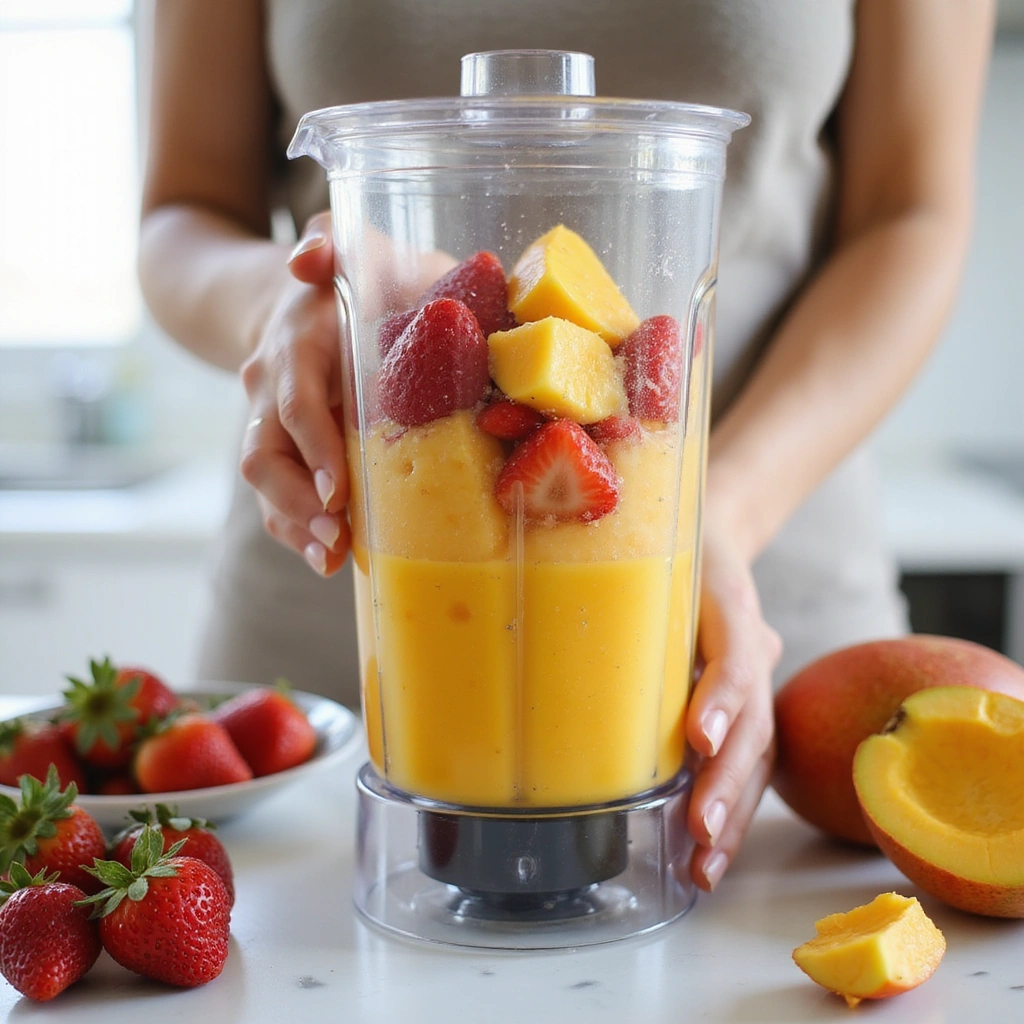
Start by washing the mangoes and strawberries thoroughly.
Dice the fruits into smaller pieces for easier blending.
Place the diced fruits into a blender and puree until smooth.
If desired, strain the puree through a fine-mesh sieve to remove pulp for a smoother texture.
Step 2: Measure Ingredients
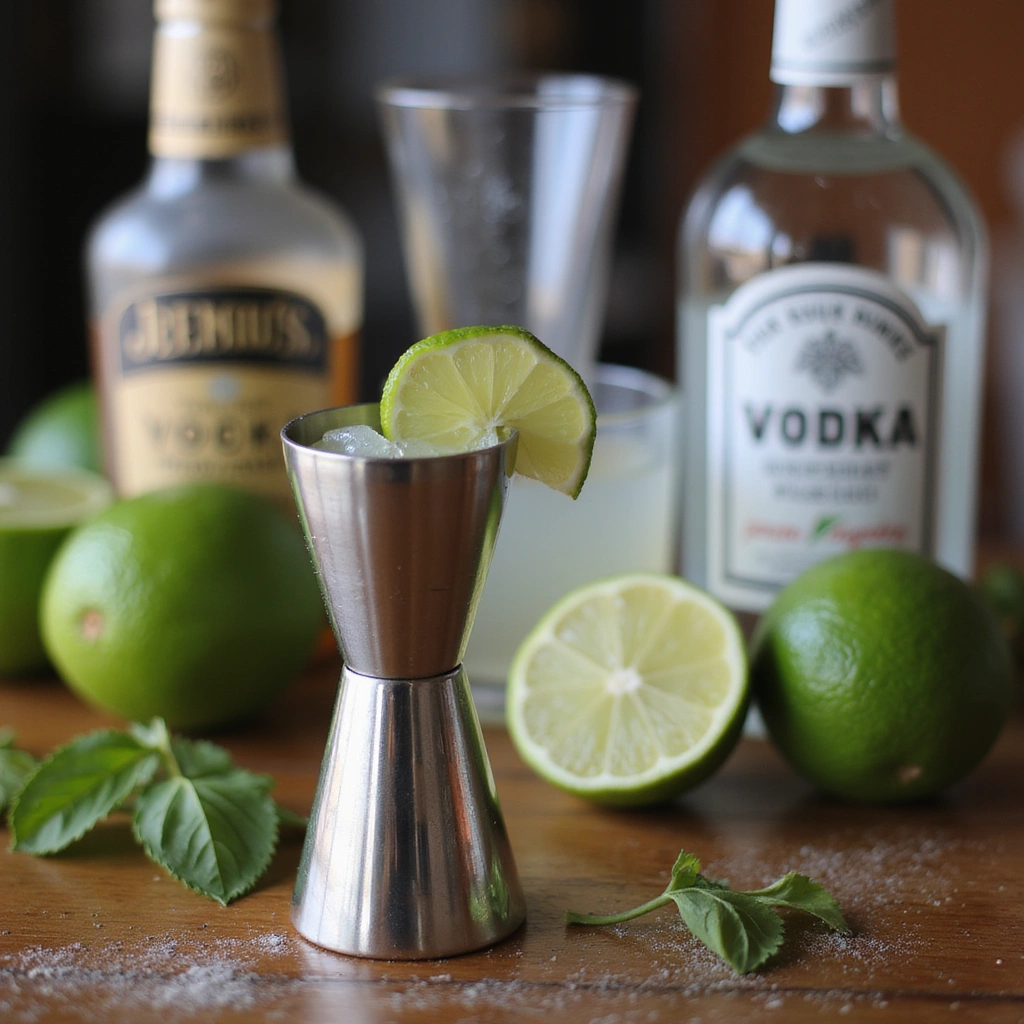
Gather all the ingredients needed for the cocktail.
Using a jigger, measure out 1 cup of vodka and 2 oz of fresh lime juice.
Ensure you have the fruit puree ready and accessible for mixing.
This step is crucial for achieving the right balance of flavors in the cocktail.
Step 3: Combine Ingredients in Shaker
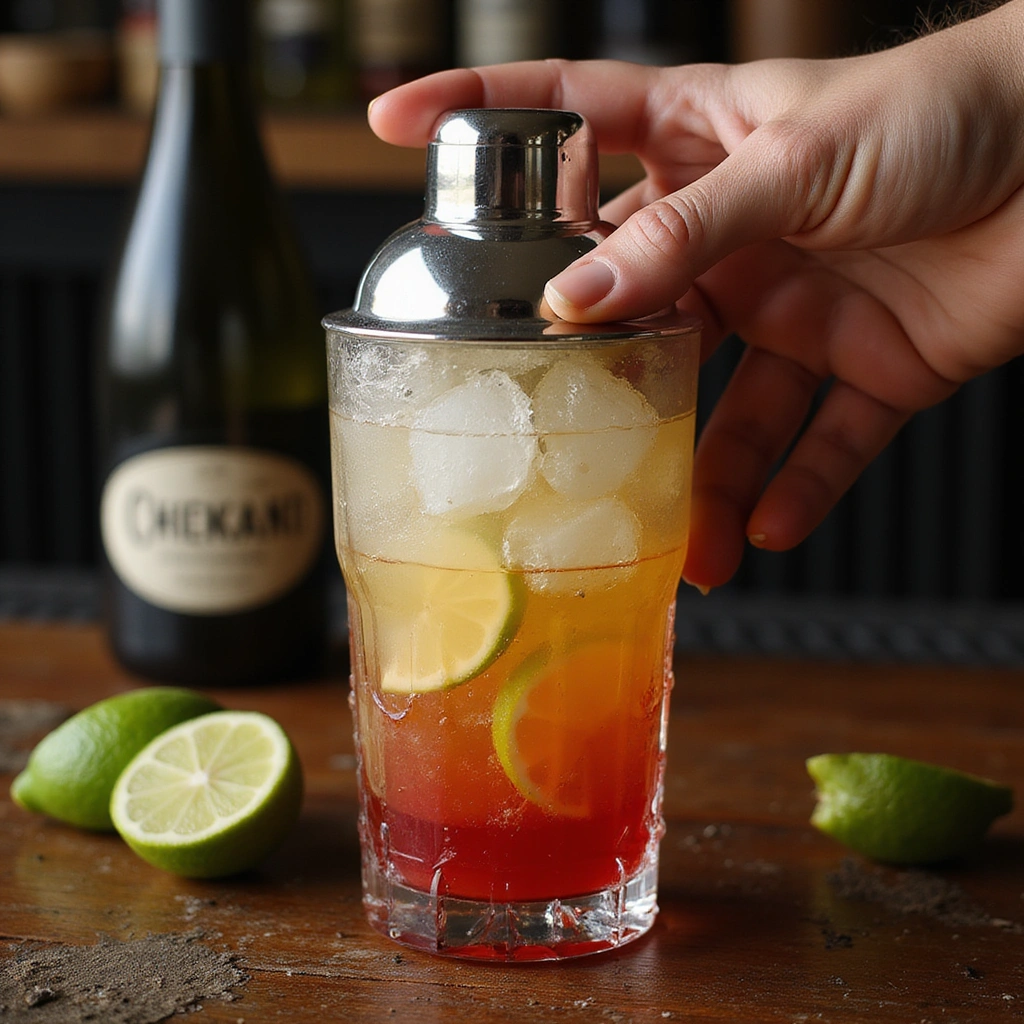
Add the measured vodka and lime juice to the shaker.
Pour in the prepared fruit puree, ensuring a good mix of flavors.
Fill the shaker with ice to chill the cocktail effectively.
Close the shaker tightly to prevent spills during shaking.
Step 4: Shake the Cocktail

With the shaker closed, shake vigorously for about 15 seconds.
This action will chill the mixture and incorporate the flavors well.
Listen for the sound of ice clinking to know you’re mixing effectively.
Aim for a frothy texture as it indicates a well-shaken cocktail.
Step 5: Strain the Cocktail
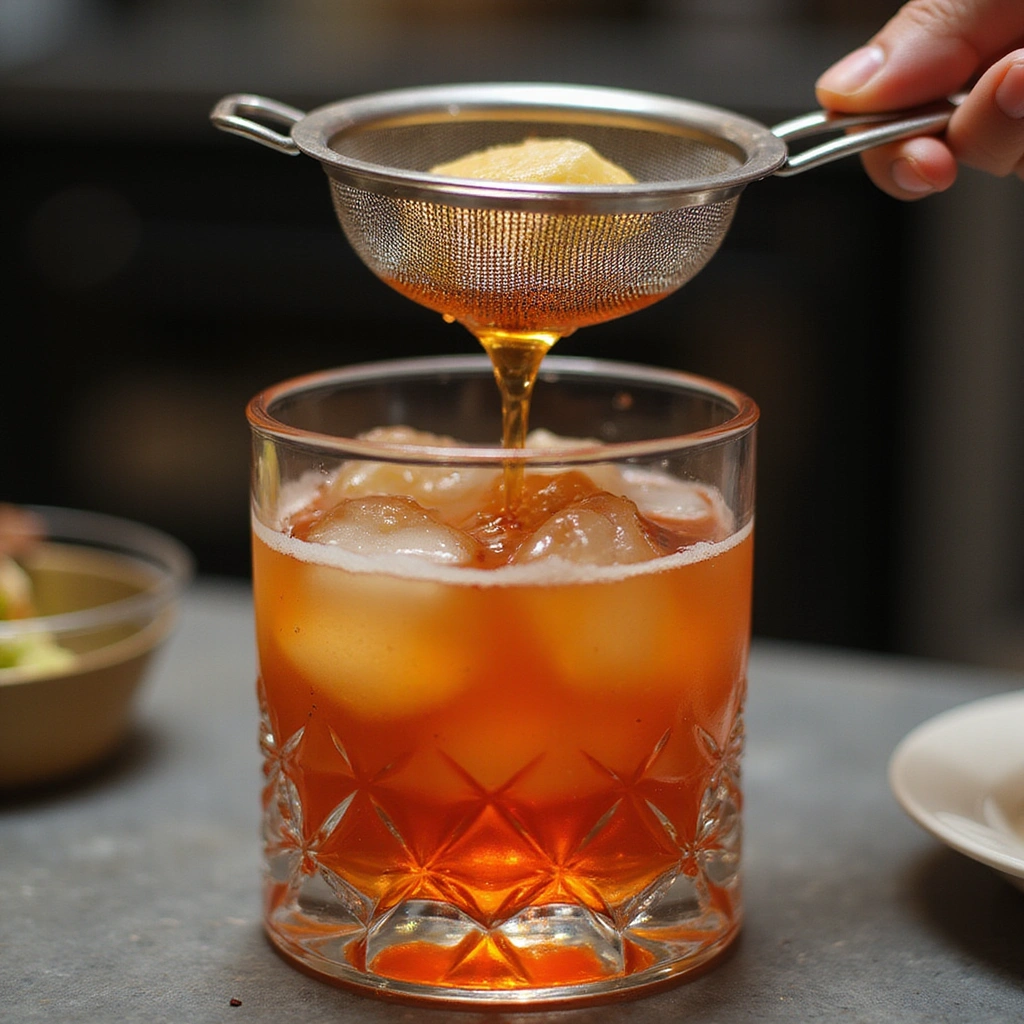
Open the shaker and prepare to strain the cocktail into serving glasses.
Using a fine mesh strainer, pour the mixture into each glass, leaving ice behind.
This technique ensures a smooth drink without any pulp or ice shards.
Fill the glasses about three-quarters full to allow space for garnishes.
Step 6: Garnish the Cocktail
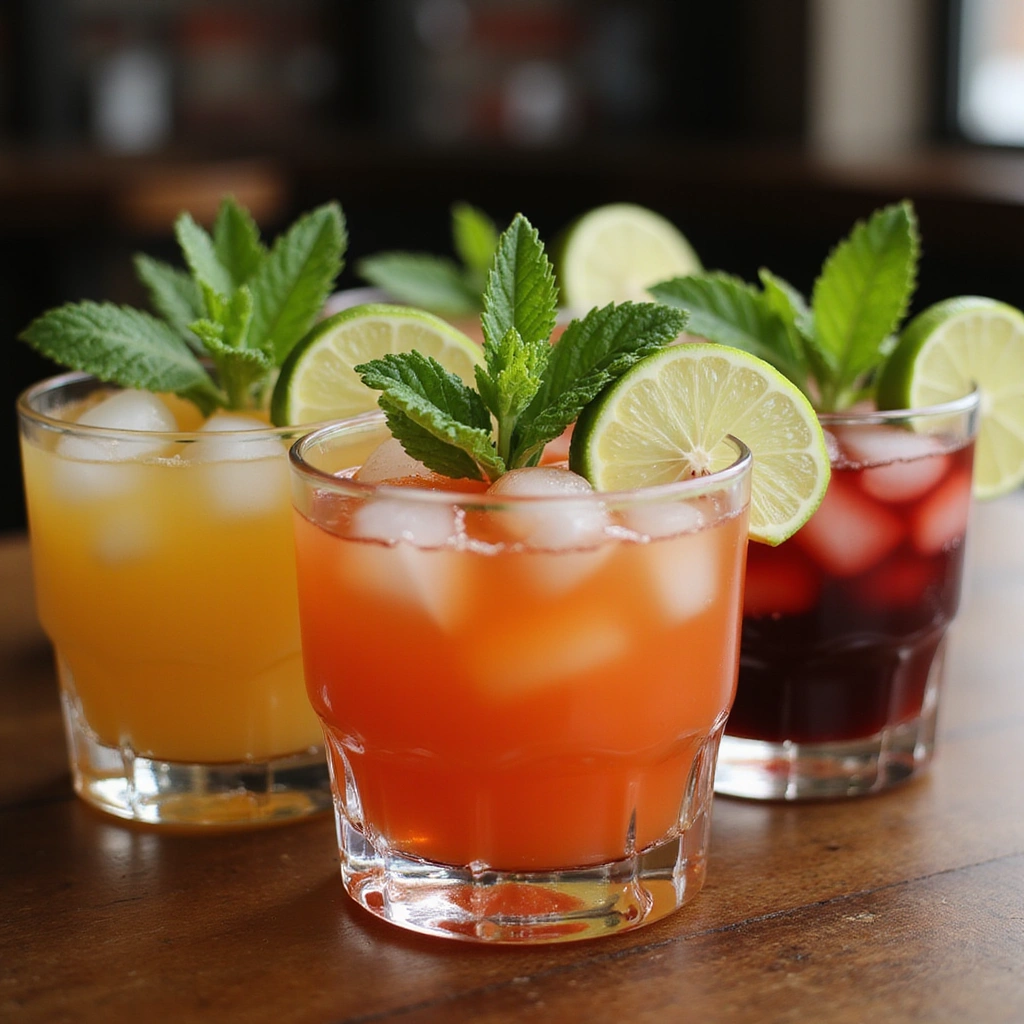
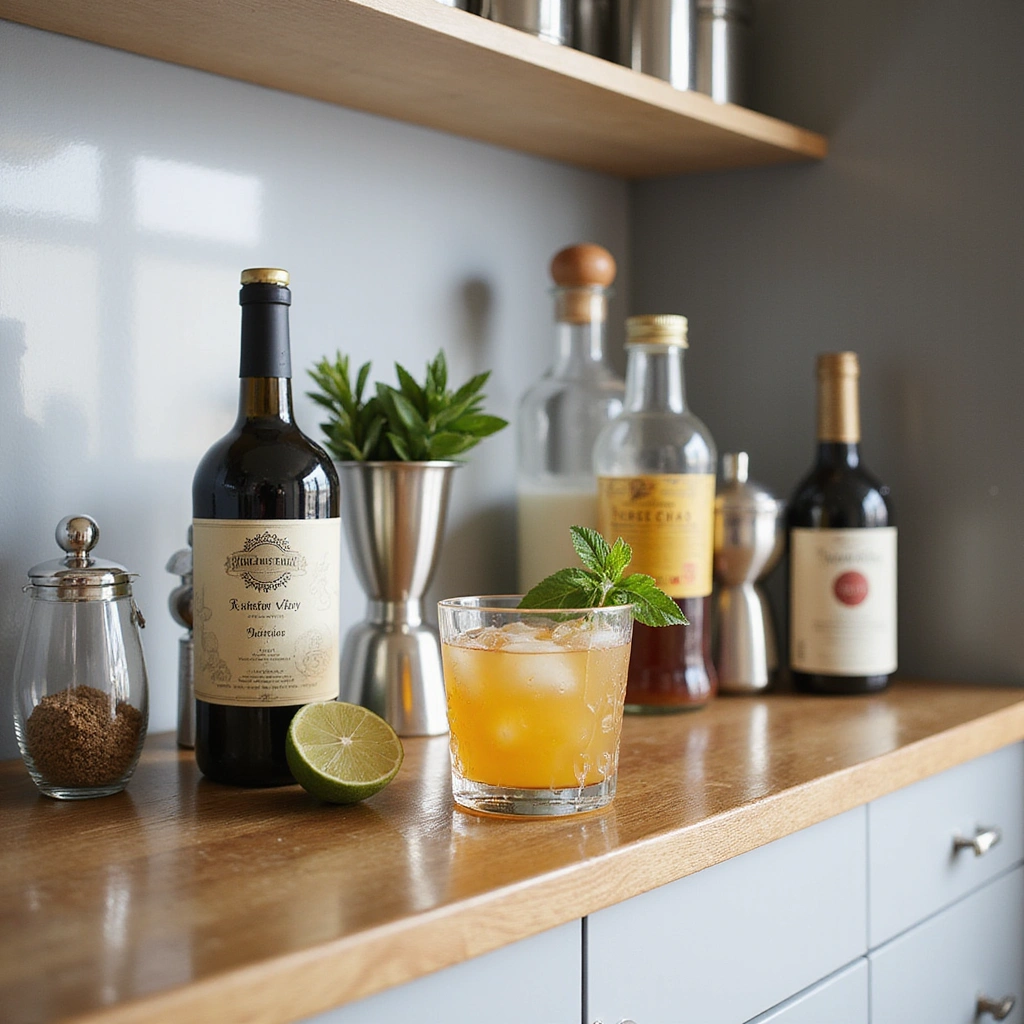
Take fresh mint leaves and gently slap them between your hands to release their aroma.
Place a few mint leaves into each glass as a garnish.
Add a lime slice on the rim for an attractive presentation.
Ensure the garnishes complement the drink’s vibrant colors.
Step 7: Serve and Enjoy
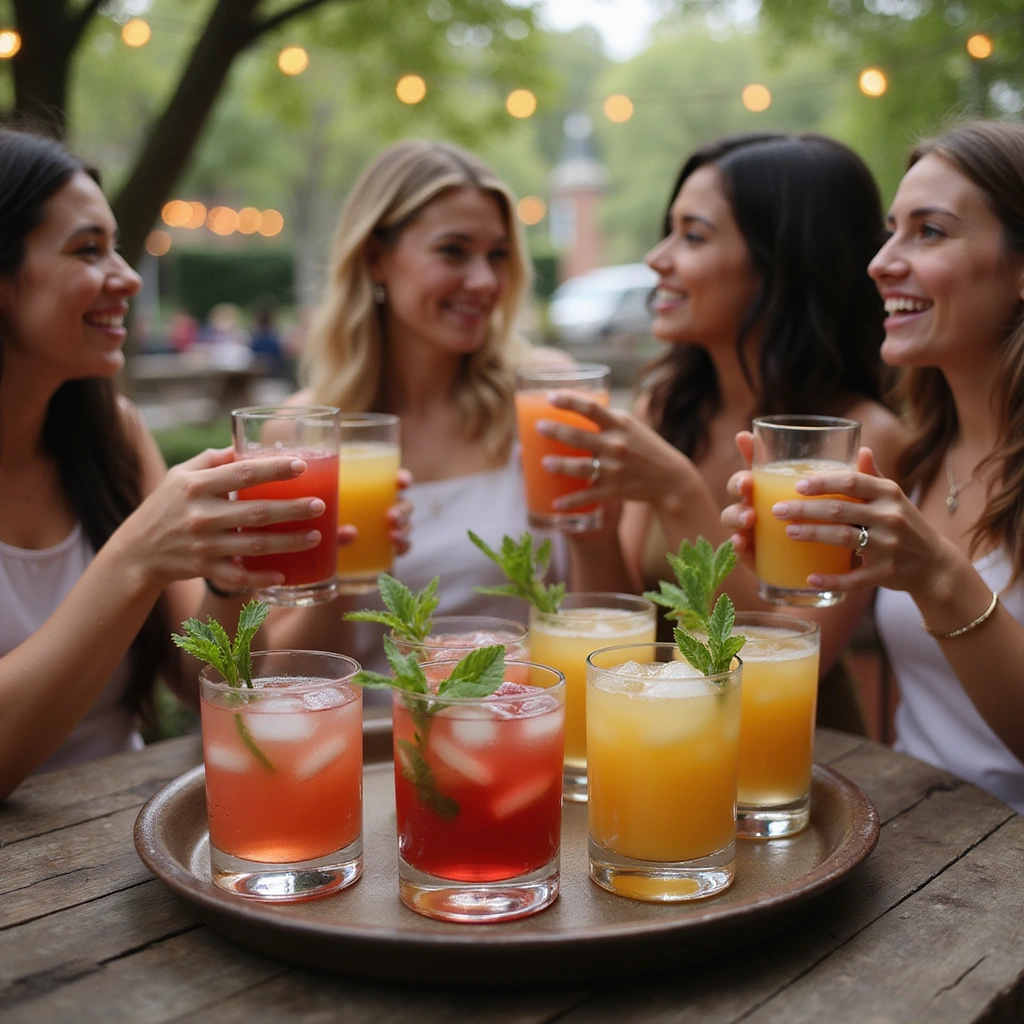
Present the cocktails on a tray for easy serving.
Encourage guests to enjoy their drinks while they are chilled.
This cocktail pairs well with light appetizers or snacks.
Take a moment to appreciate the vibrant colors and aromas before indulging.
Step 8: Clean Up
Once the cocktails are enjoyed, clean and rinse all used equipment.
Wash the shaker, strainer, and glasses to maintain hygiene.
Store any leftover fruit puree in an airtight container in the fridge.
Cleaning promptly helps preserve flavors and prevents mess.
Critical Timing and Temperature Guide
Shaking Time: Shake for 15 seconds to achieve optimal chilling and mixing. Over-shaking can lead to dilution, while under-shaking may leave ingredients unmixed.
Chilling Glasses: Chill serving glasses in the freezer for 10 minutes before serving to enhance the drinking experience. This keeps the cocktails cold longer, preventing them from warming too quickly.
Freshness Check: Use fresh fruits for purees, as they significantly impact flavor. Overripe or stale fruits can result in an off-taste in cocktails.
Pro Tips for South Africa Cocktail Recipes Unique Flavors To Try
• Ingredient Selection: Choose ripe, seasonal fruits for the puree, as their natural sweetness and flavor will enhance the cocktail.
• Preparation Secret: Consider chilling your shaker and glasses beforehand to maintain the cocktail’s temperature longer.
• Temperature Management: Always use cold ingredients and ice to prevent dilution while ensuring the drink remains refreshing.
• Texture Enhancement: For a smoother drink, strain the puree through a fine sieve to remove any pulp or seeds.
• Flavor Layering: Experiment with adding a splash of tonic or ginger beer for added complexity in flavor.
• Make-Ahead Strategies: Prepare the fruit puree a day in advance and refrigerate it in an airtight container.
• Restaurant-Quality Finishing Touches: Use a sprig of mint as a garnish for both aroma and visual appeal.
• Equipment Optimization: Ensure your shaker is well-sealed to avoid spills and achieve a thorough mix.
Troubleshooting Common Issues
• Flavor Too Strong: This can occur if the fruit puree is overly concentrated. Dilute with a splash of soda or tonic water to balance the flavors.
• Cocktail Too Diluted: If you notice your cocktail is watery, reduce the amount of ice used when shaking or shaking for a shorter time.
• Unsmooth Texture: If the cocktail has a grainy texture, ensure the fruit is thoroughly pureed and strained properly.
• Inconsistent Flavor: Make sure to measure ingredients accurately. Using a jigger can help maintain consistency in taste.
• Not Chilled Enough: Ensure all ingredients are at refrigeration temperature before mixing. If the drink isn’t cold, try adding more ice during the shaking process.
• Garnish Wilting: Fresh herbs can wilt quickly. Add them just before serving to maintain freshness and aroma.
Variations and Regional Differences
• Western Cape Variation: In the Western Cape, cocktails often include local wine or brandy, adding a distinct flavor profile that reflects the region’s vineyards.
• Kwazulu-Natal Style: This variation incorporates tropical fruits more commonly found in the area, like pineapple and guava, resulting in a sweeter drink.
• Modern Interpretations: Contemporary recipes may use infused spirits or unique garnishes (like chili or edible flowers) to give the classic cocktails a modern twist.
Food Science Behind the Recipe
• Emulsification: The blending of fruit puree with alcohol creates a stable mixture, allowing for a uniform flavor profile. Understanding emulsification helps in achieving better blends.
• Chilling Effect: Ice not only cools the cocktail but also dilutes it slightly, balancing flavors. Knowing the right dilution can enhance the overall drinking experience.
• Aroma and Flavor: The combination of fresh herbs and fruits releases aromatic compounds that enhance the perception of flavor. Harnessing this can elevate the cocktail experience.
Frequently Asked Questions
What’s the most common mistake people make when preparing South African cocktails? The top mistake is using unripe or overly ripe fruits, which can lead to unbalanced flavors. Always opt for fresh, ripe fruits for the best results.
Can I prepare components of this cocktail in advance? Yes, the fruit puree can be made a day ahead and stored in the refrigerator. Just give it a good stir before using.
How do I adapt this recipe for dietary restrictions? For a lower-sugar option, use sugar-free tonic water or reduce the amount of fruit puree.
What’s the best way to store and reheat leftovers? If you have leftover fruit puree, store it in an airtight container in the fridge for up to 3 days. Do not freeze the mixed cocktails as they can separate.
Can I freeze this cocktail? While the cocktail itself can be frozen, it’s best to freeze the fruit puree separately. Thaw it in the refrigerator before use.
What wine or beverages pair best with this cocktail? Light, fruity wines or sparkling wines complement the cocktail’s fresh flavors beautifully.
How can I scale this recipe up for a crowd? Increase the quantities proportionally, but consider making the puree in batches to maintain freshness and flavor.
What side dishes complement this cocktail best? Light appetizers, such as fruit skewers or shrimp cocktails, pair wonderfully with these refreshing drinks.
How do professional chefs elevate this cocktail for restaurant service? Professionals often use house-made syrups or infusions and pay close attention to presentation with unique garnishes.
Serving and Presentation Guide
• Traditional Presentation: Serve in elegant glassware, ideally chilled, with a simple garnish of mint or lime. This approach highlights the freshness of the ingredients.
• Modern Plating Ideas: Consider using tall glasses with a colorful gradient effect achieved through layered fruit purees. This visually striking presentation enhances the cocktail’s allure.
• Accompaniment Suggestions: Pair with light tapas or seafood dishes to create a cohesive dining experience that complements the cocktail’s flavors.
• Special Occasion Presentation: For celebrations, serve the cocktail in champagne flutes with edible flowers as garnishes for an upscale look.
Conclusion
Trying these South African cocktails brings a taste of adventure to your gatherings.
Each sip offers a unique blend of flavors that can transport you to the vibrant landscapes of South Africa.
I hope you enjoy crafting and sharing these delightful drinks with friends and family.