
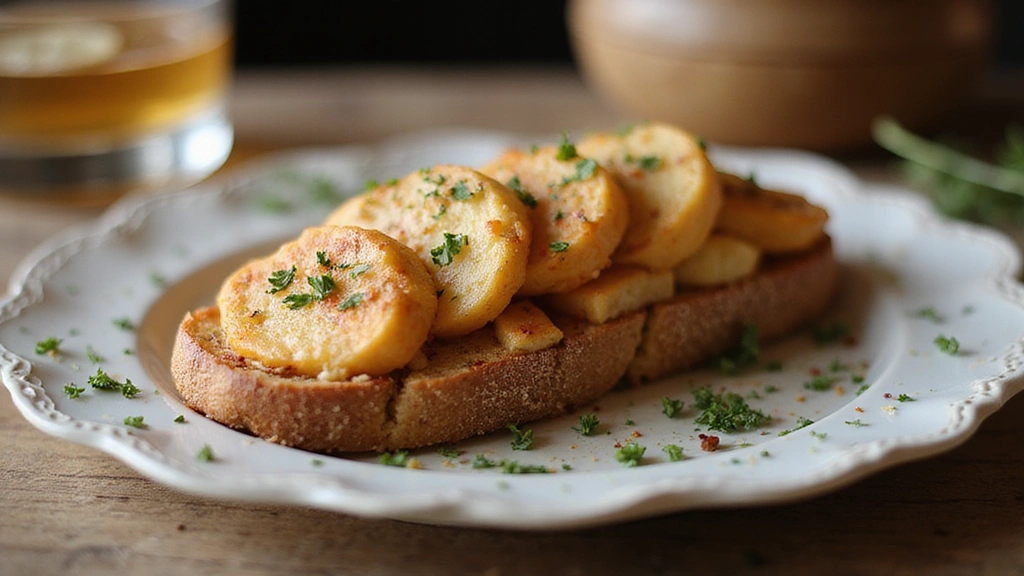
Cocktail Rye Bread is a cherished staple that brings a unique twist to traditional bread-making.
With its slightly tangy flavor and hearty texture, this bread is the perfect accompaniment to savory spreads and toppings.
I first encountered this delightful bread at a family gathering, where its robust flavor paired wonderfully with various cheeses and meats.
Whether serving it at a cozy dinner party or as part of a casual brunch, Cocktail Rye Bread is a versatile favorite that never fails to impress.
The History and Cultural Significance
• Cocktail Rye Bread traces its origins to Eastern European countries, particularly among Jewish communities, where it was originally created as a hearty staple.
• The dish evolved over decades as bakers experimented with different flours and fermentation techniques, eventually becoming the beloved version we know today.
• In Jewish culture, this bread traditionally appears at celebrations such as Rosh Hashanah and Passover, symbolizing abundance and community.
• While many variations exist across different regions, the authentic version maintains a rich, dense crumb and a signature caraway flavor that sets it apart from imitations.
Recipe Overview
Nutritional Information (per serving)
Ingredients
Essential Equipment Guide
Stand Mixer: A stand mixer is essential for kneading the dough thoroughly, ensuring a uniform texture. Look for a model with a dough hook attachment, which will save you time and effort compared to hand-kneading.
Baking Stone: Using a baking stone helps to create a crispy crust by absorbing moisture from the dough. If unavailable, a heavy baking sheet will work but may not yield the same results.
Proofing Basket: A proofing basket, or banneton, helps shape the dough during the second rise. If you don’t have one, you can use a bowl lined with a floured kitchen towel.
Preparation Methods
Proofing: Proofing is the process of allowing the yeast to grow and activate before baking. This step is crucial for developing the bread’s texture and flavor. Ensure your water is warm, not hot, to avoid killing the yeast.
Kneading: Kneading the dough develops gluten, which gives the bread structure. Aim for a smooth, elastic consistency; this usually takes about 8-10 minutes of kneading.
Scoring: Scoring involves making shallow cuts on the surface of the dough before baking. This technique allows for controlled expansion during baking, leading to a better texture and appearance.
Step 1: Prepare the Ingredients
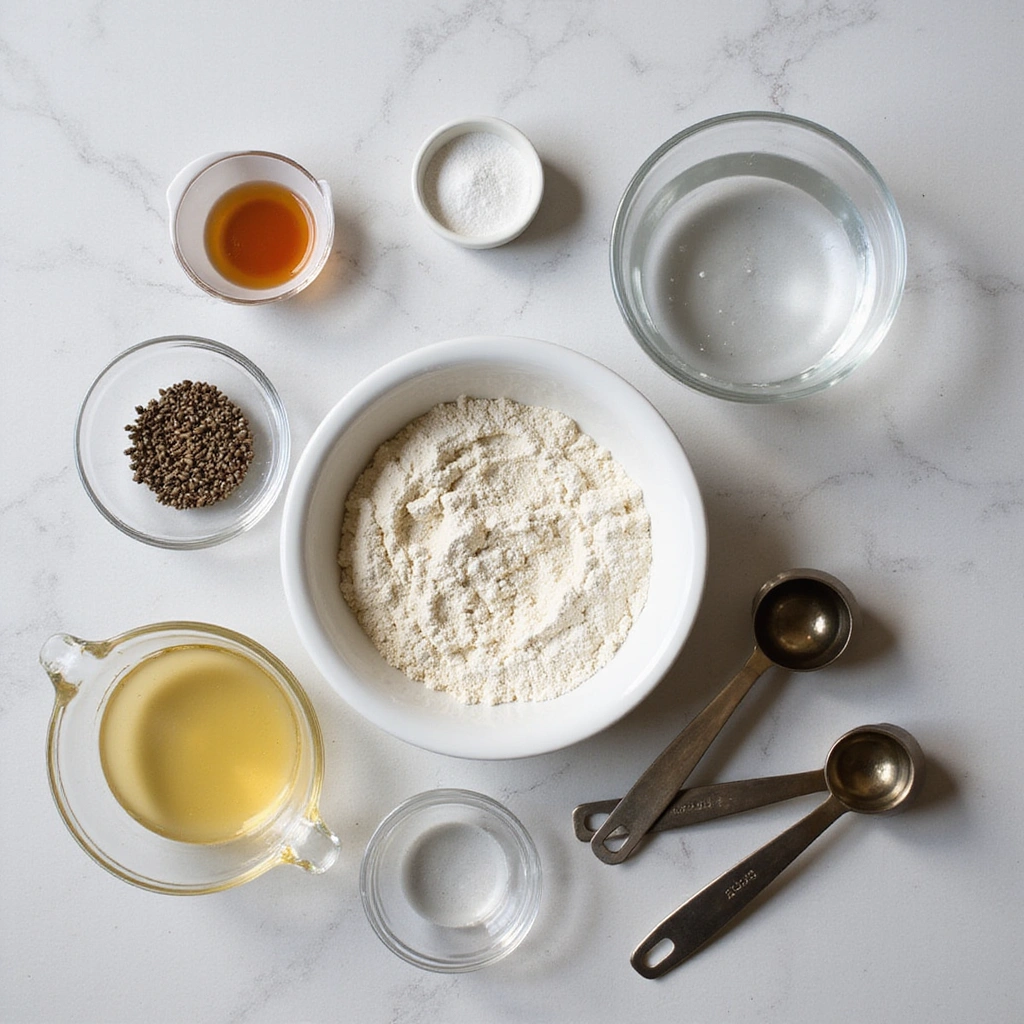
Gather all the ingredients to ensure a smooth preparation process.
Measure the rye and all-purpose flour accurately using a kitchen scale for best results.
Make sure the water is warm but not hot to prevent killing the yeast.
Set aside a small bowl for the toppings and a larger bowl for mixing the dough.
Step 2: Activate the Yeast
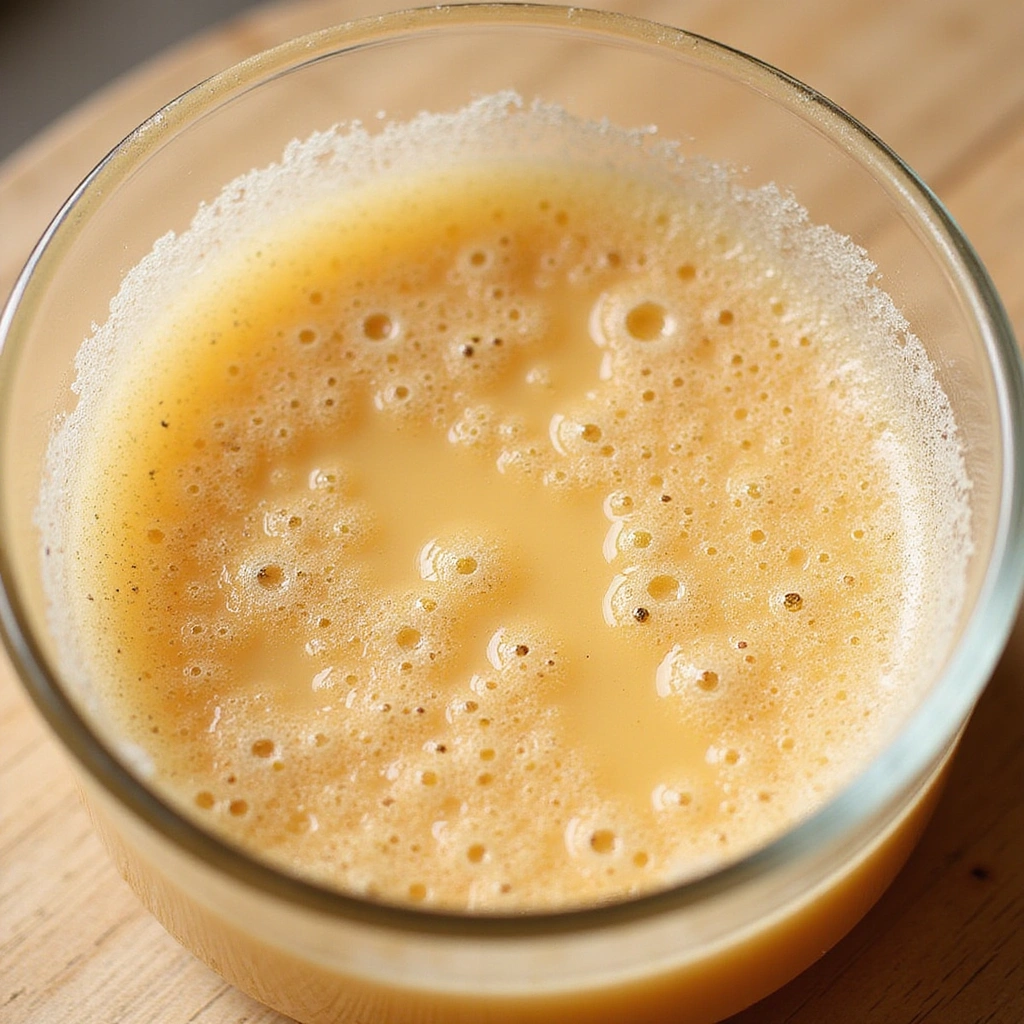
In a small bowl, combine the warm water and yeast, allowing it to sit for about 5 minutes.
You should see bubbles forming, indicating the yeast is activated and ready to use.
This step is crucial as it ensures your bread will rise properly.
If no bubbles appear after 5 minutes, your yeast may be expired and should be replaced.
Step 3: Mix the Dry Ingredients
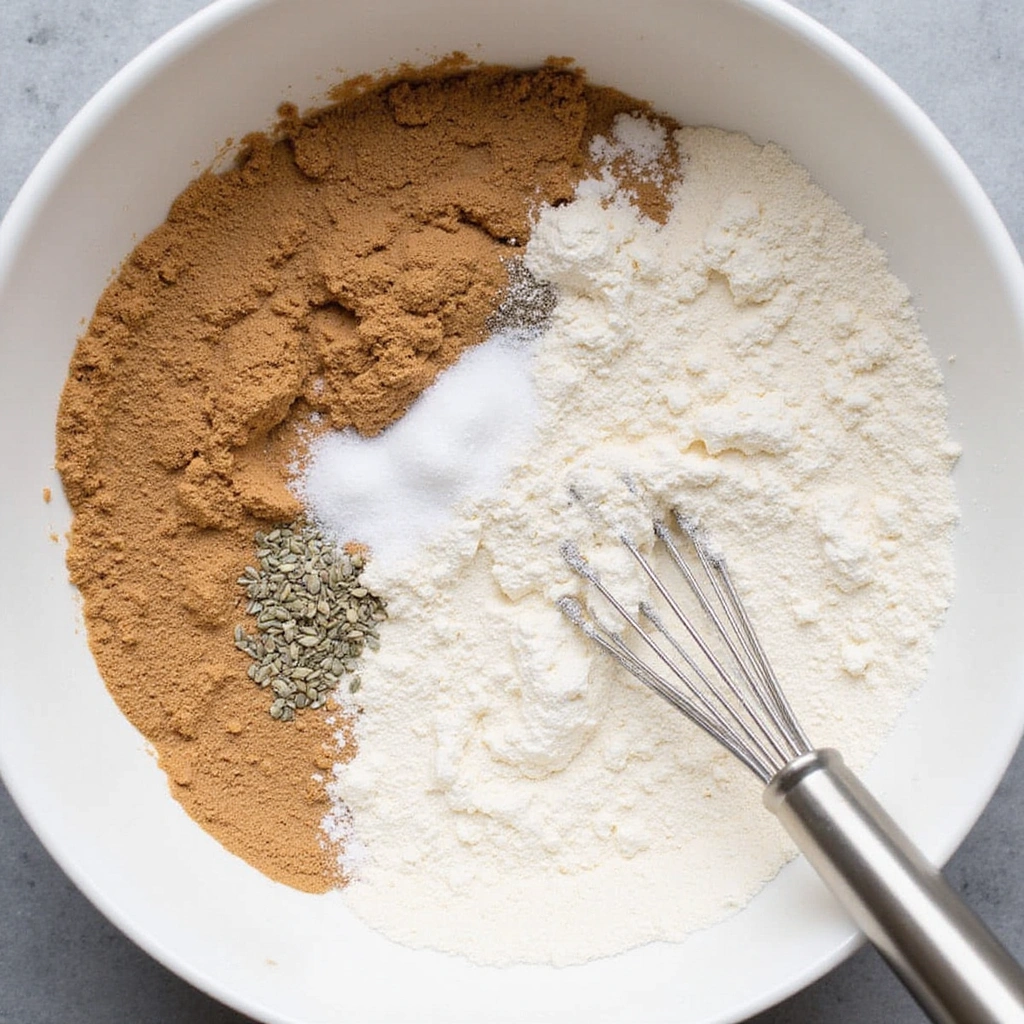
In a large mixing bowl, whisk together the rye flour, all-purpose flour, caraway seeds, and salt.
Ensure all dry ingredients are well combined to distribute flavors evenly.
This mixture provides the foundation for your bread’s texture and flavor profile.
Use a whisk or fork to aerate the flour, making it lighter.
Step 4: Combine Wet and Dry Ingredients
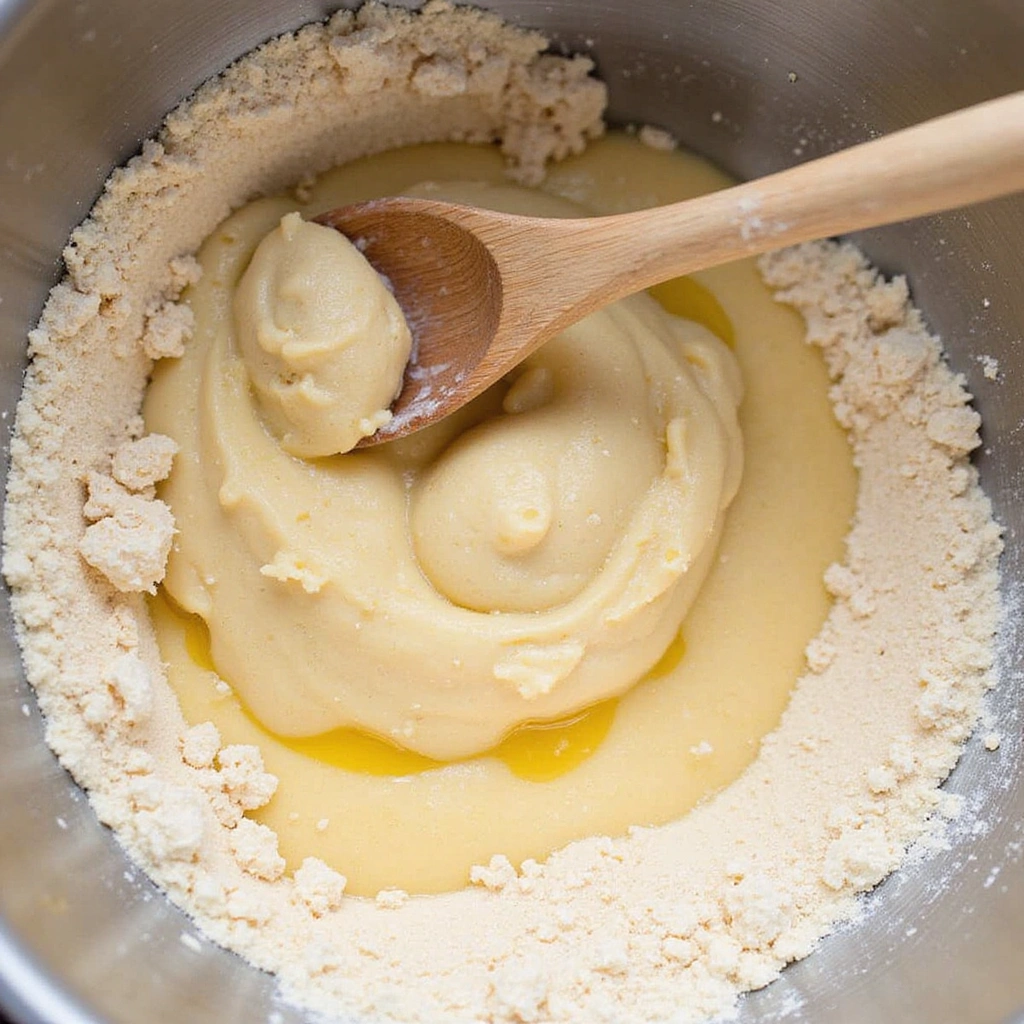
Make a well in the center of the dry ingredients and pour in the activated yeast mixture.
Using a wooden spoon, gradually mix the flour into the liquid until a shaggy dough forms.
This process helps to incorporate the ingredients without overworking the dough.
Be sure to scrape the sides of the bowl to capture all the flour.
Step 5: Knead the Dough
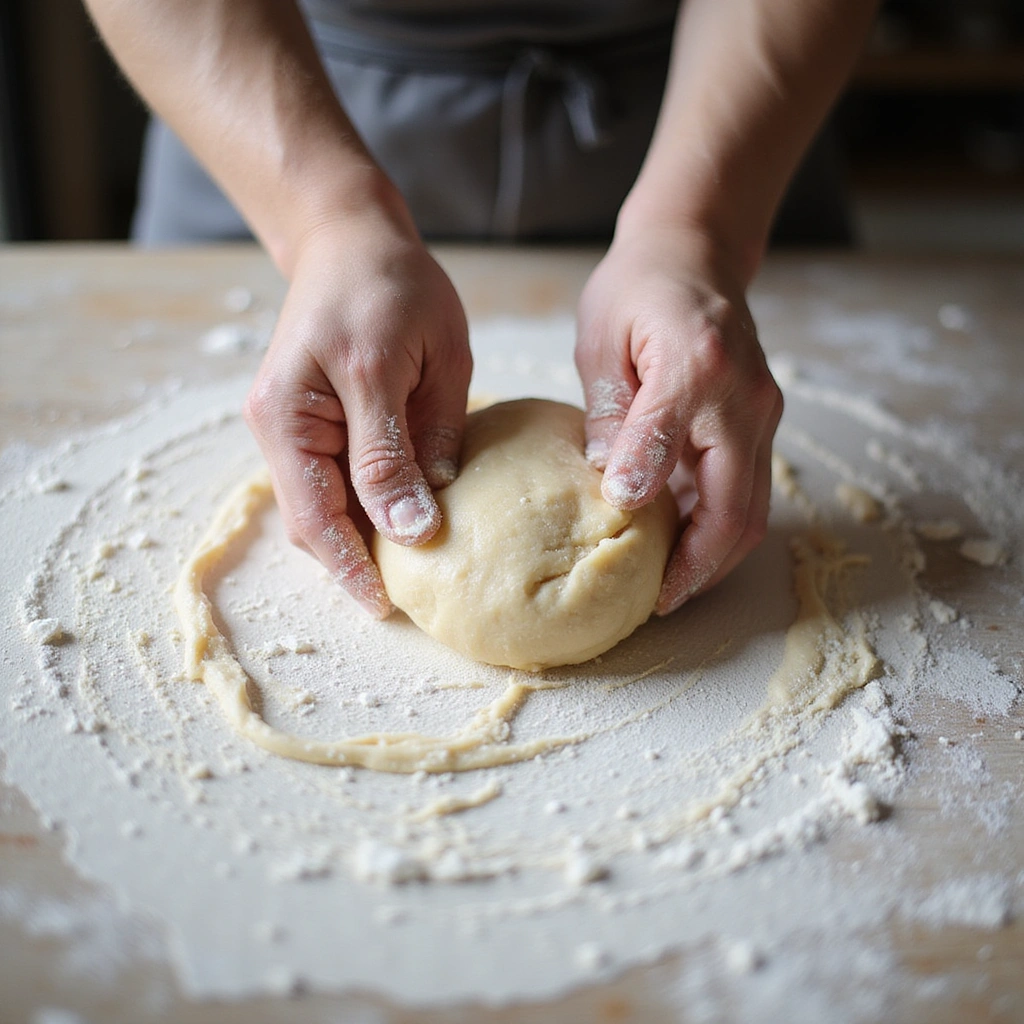
Transfer the dough onto a lightly floured surface and begin kneading it by folding and pressing.
Knead for about 8-10 minutes until the dough is smooth and elastic.
You may need to add a little more flour if the dough is too sticky.
To check if it’s ready, perform the windowpane test by stretching a small piece of dough; it should not tear easily.
Step 6: First Rise
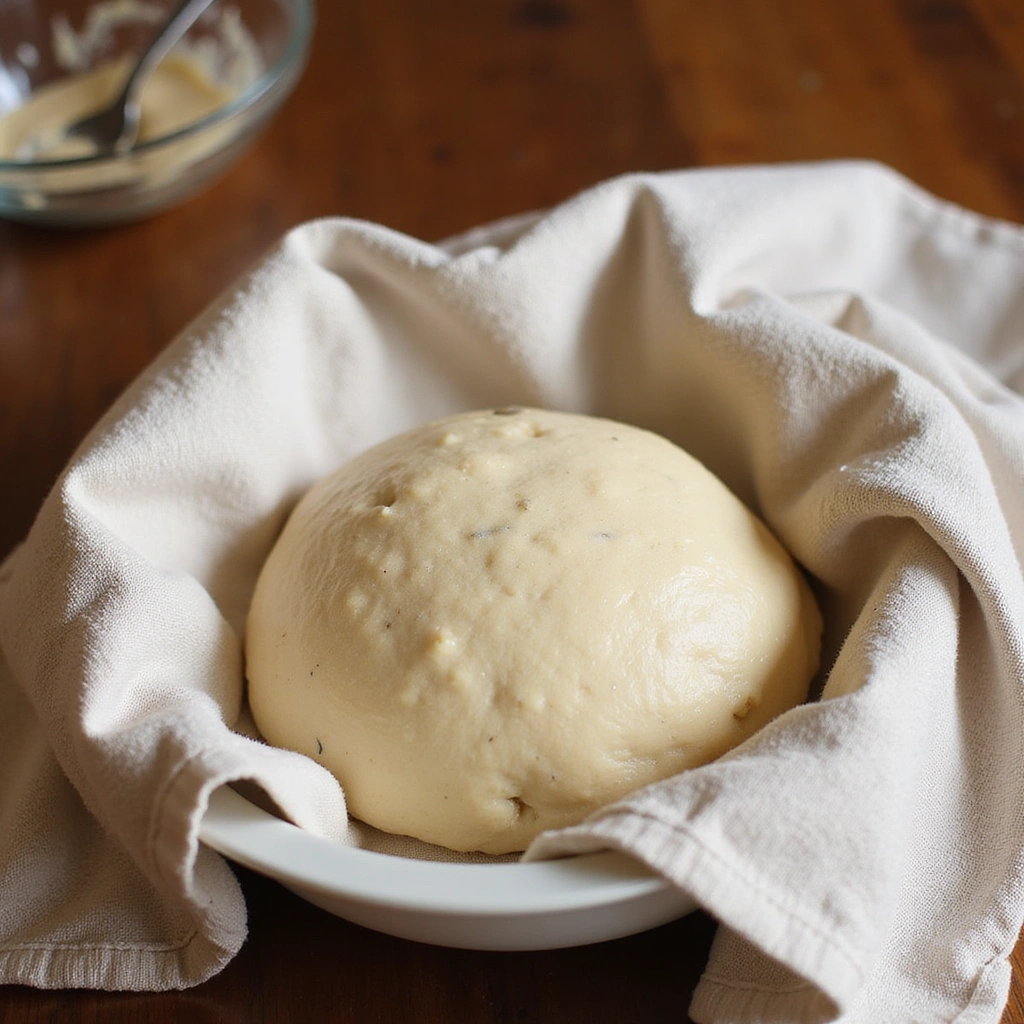
Shape the kneaded dough into a ball and place it in a lightly greased bowl.
Cover the bowl with a clean kitchen towel and let it rise in a warm place for about 1 hour.
The dough should double in size, indicating successful fermentation.
Avoid drafts during this period to ensure a steady rise.
Step 7: Shape the Dough
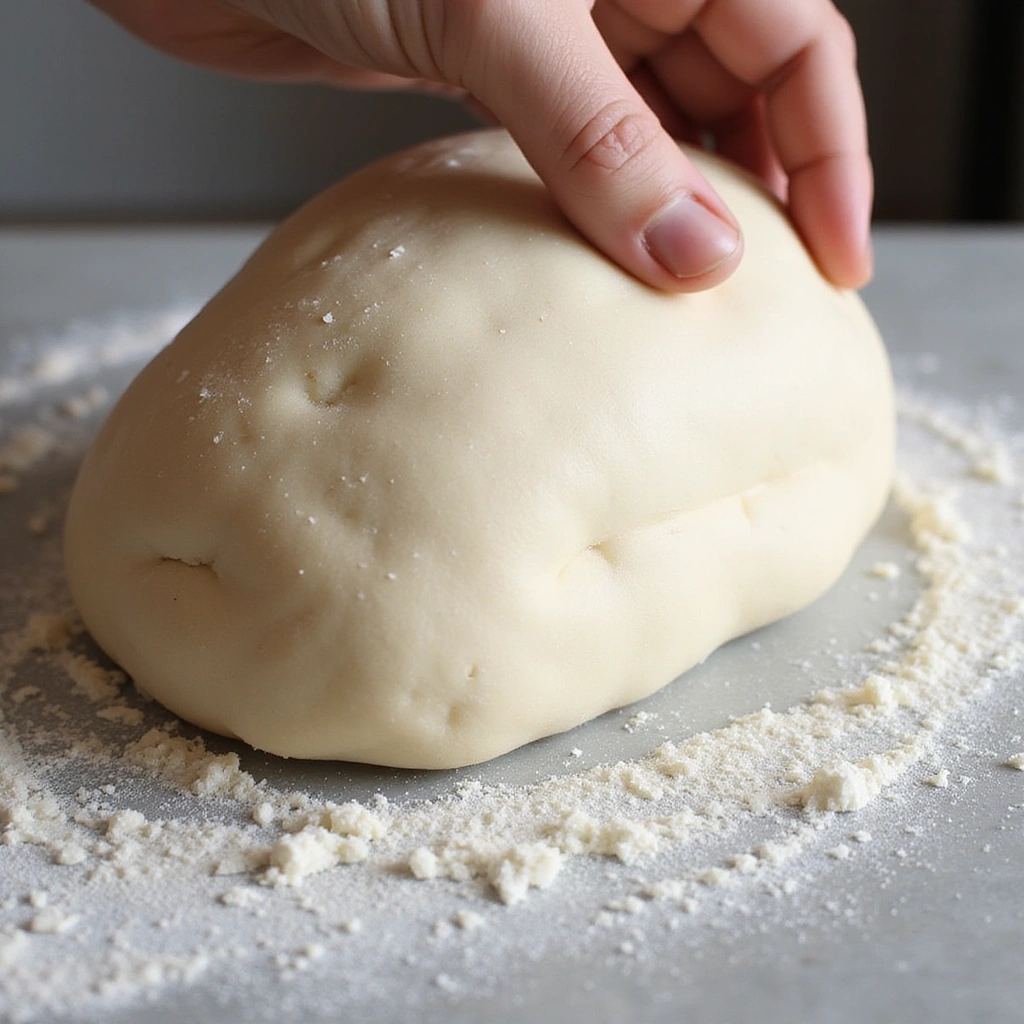
Once the dough has risen, punch it down gently to release the air.
Transfer it to a floured surface and shape it into a loaf or round shape as desired.
This step redistributes the yeast and prepares the dough for its final rise.
Ensure the shape is tight to achieve a good rise during baking.
Step 8: Second Rise
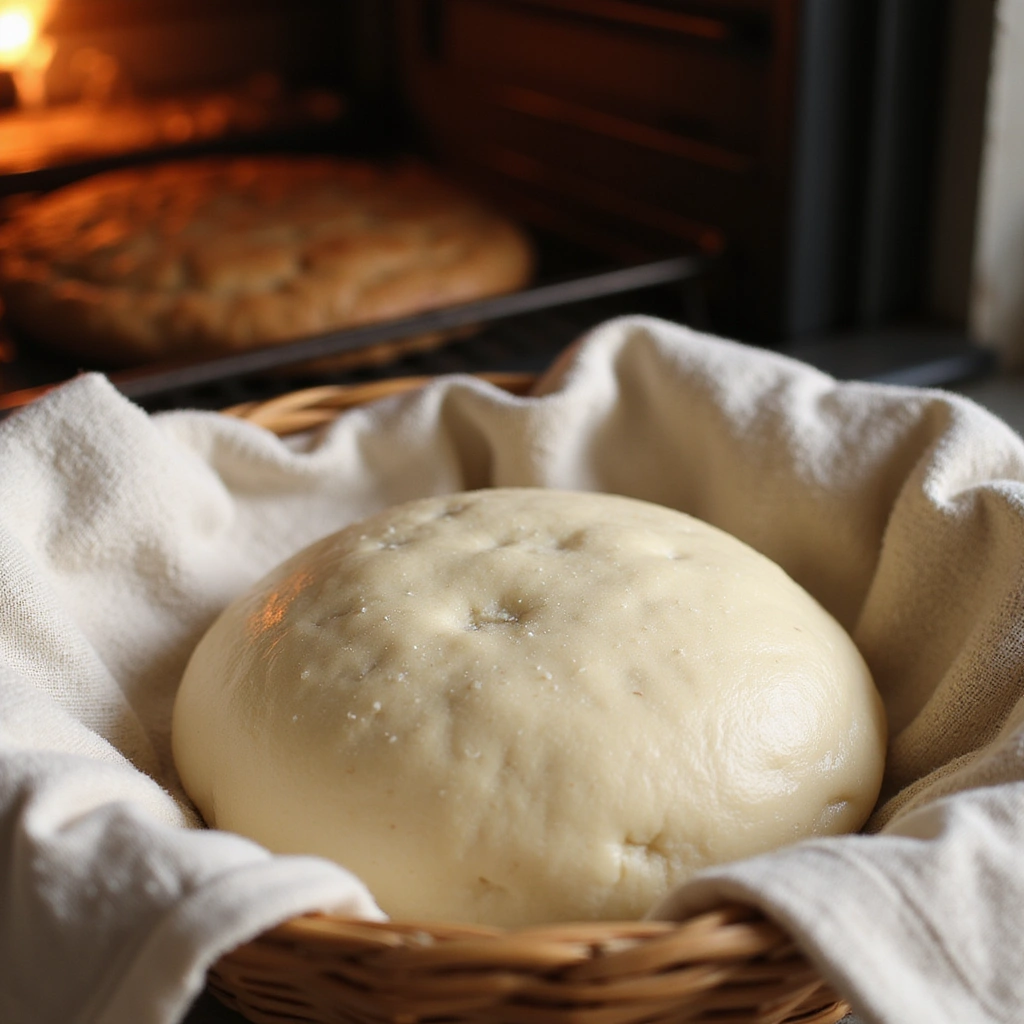
Place the shaped dough into a proofing basket or on a baking sheet lined with parchment paper.
Cover it again with a towel and let it rise for an additional 30 minutes.
This second rise is crucial for developing the bread’s final texture.
Preheat your oven to 375°F (190°C) during this time.
Step 9: Score the Dough
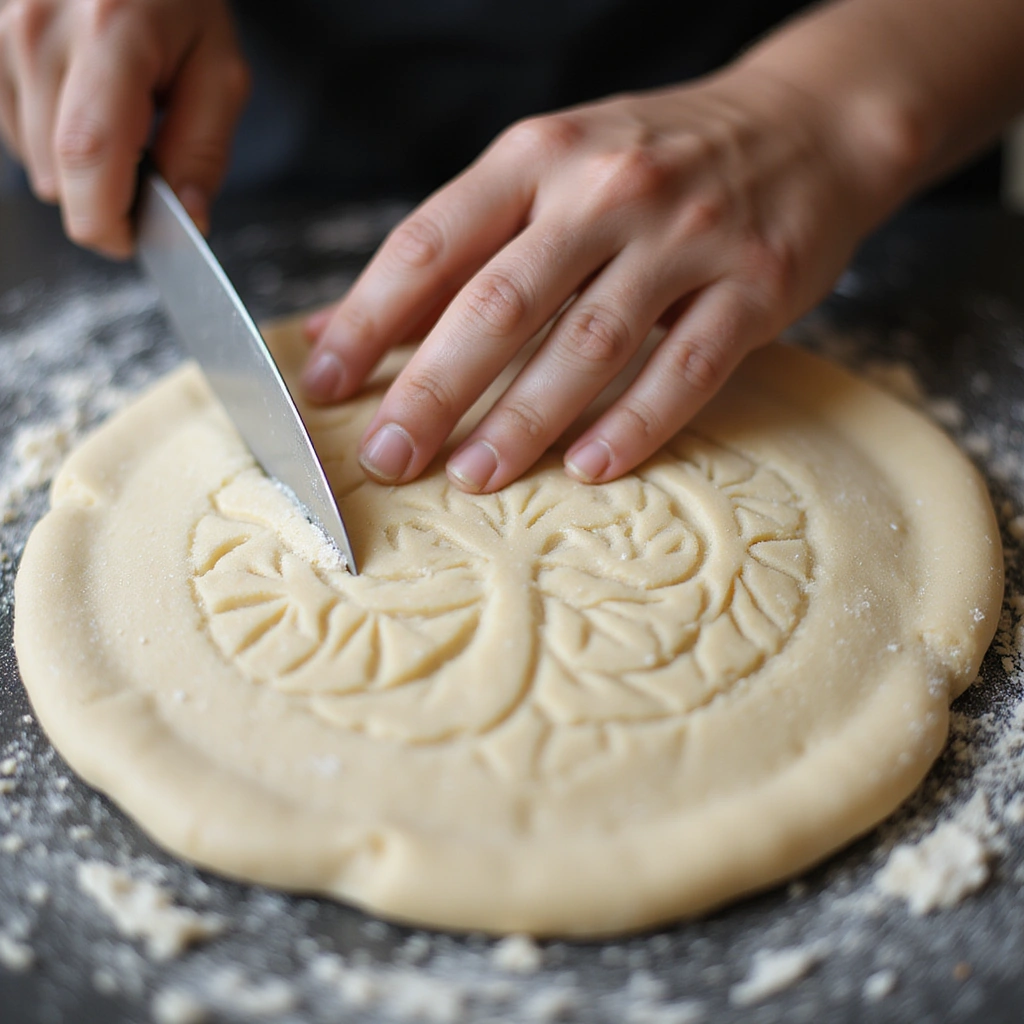
Using a sharp razor or bread lame, make shallow cuts on the surface of the dough before baking.
Scoring allows the bread to expand properly in the oven, creating a beautiful crust.
Be creative with your designs, but ensure the cuts are not too deep.
This step also helps release steam during baking.
Step 10: Bake the Bread
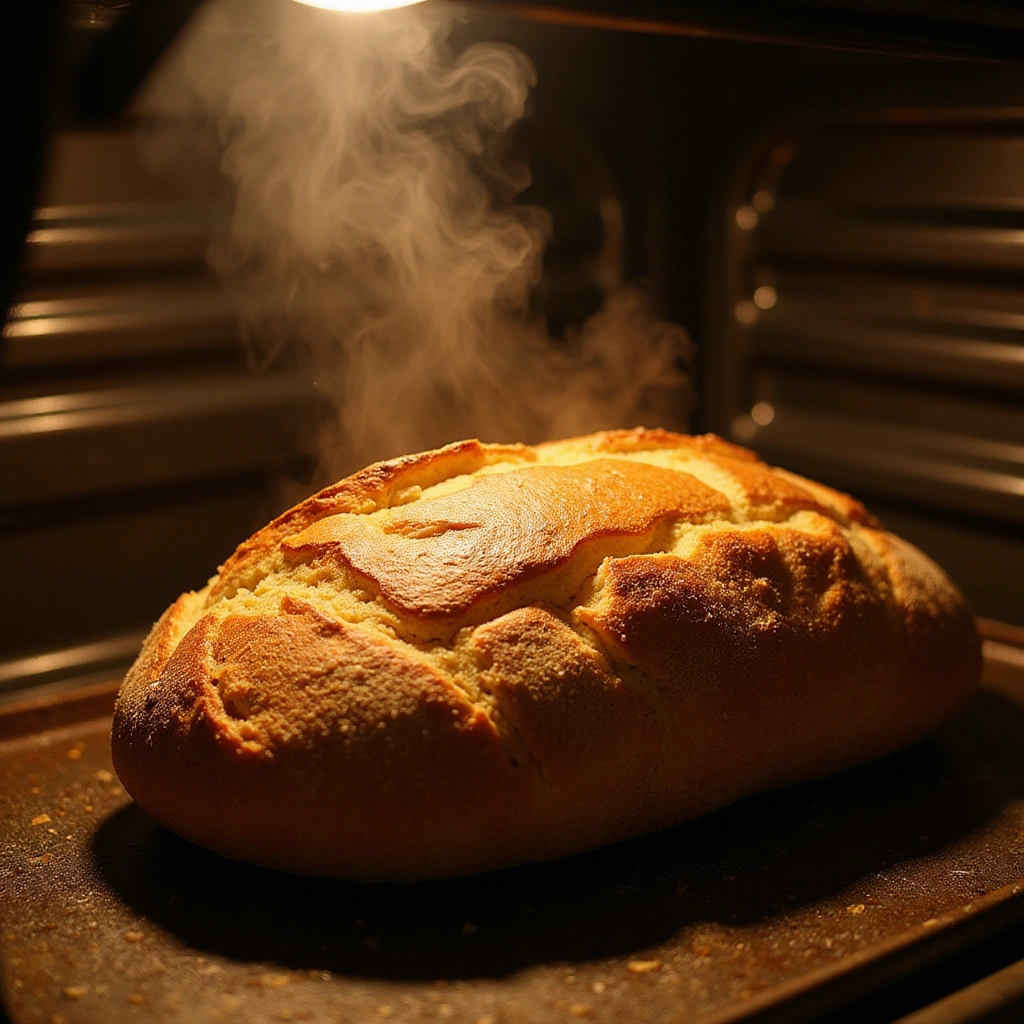
Place the dough in the preheated oven and bake for 30-35 minutes until golden brown.
The bread should sound hollow when tapped on the bottom, indicating it’s fully baked.
Rotate the bread halfway through for even baking.
Let it cool on a wire rack to maintain its crusty texture.
Step 11: Cool and Serve
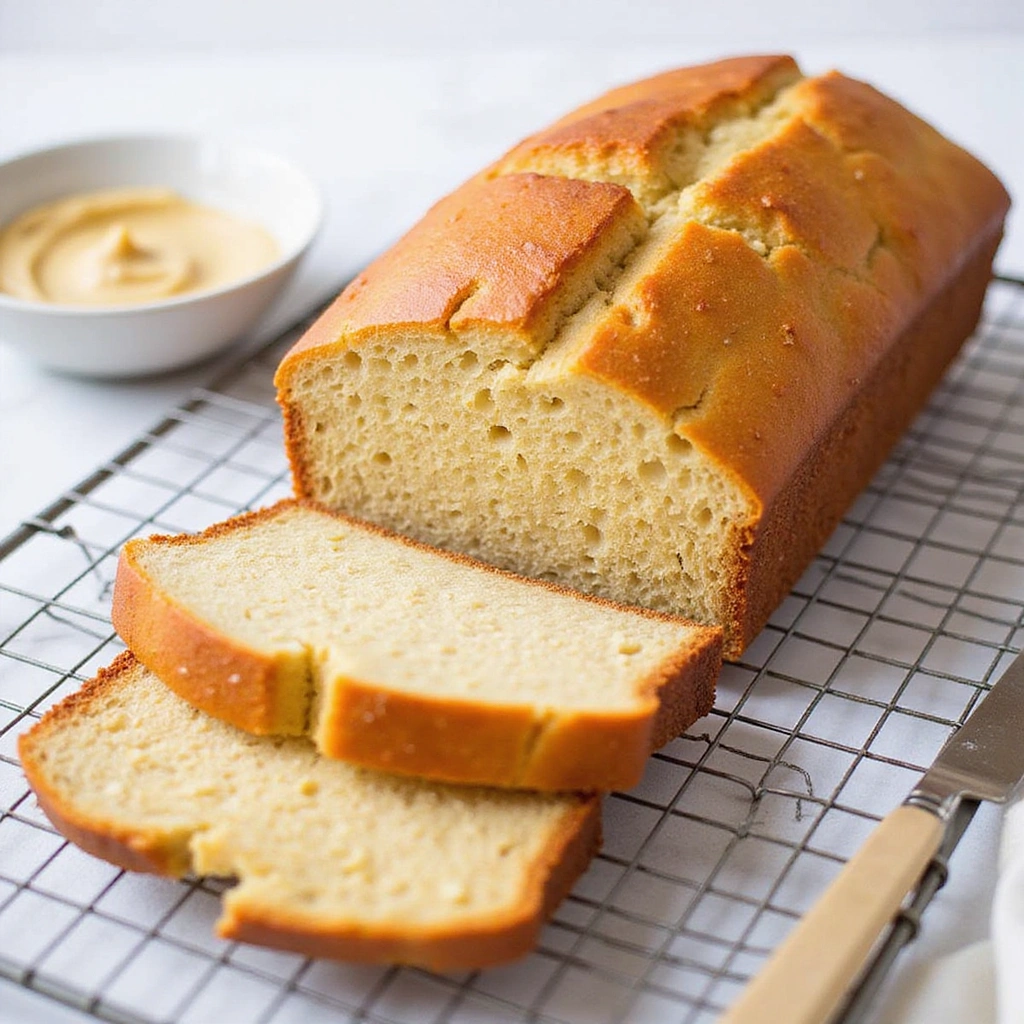
Once baked, remove the bread from the oven and let it cool on a wire rack for at least 15 minutes.
This cooling time allows the interior to set properly, improving texture.
Slice and serve with your favorite toppings or dips.
Enjoy the rich flavors of your homemade Cocktail Rye Bread.
Critical Timing and Temperature Guide
First Rise: Allow the dough to rise for about 1 hour in a warm place until it doubles in size. Look for a puffy, airy texture. A common mistake is not allowing enough time for the dough to rise, leading to denser bread.
Second Rise: Give the shaped dough 30 minutes for its second rise. It should puff up slightly but not double in size. Rushing this step can cause poor texture and a flat loaf.
Baking: Bake at 375°F (190°C) for 30-35 minutes. The bread should reach an internal temperature of 190°F (88°C) when done. Avoid opening the oven door too frequently, which can cause temperature fluctuations.
Pro Tips for Cocktail Rye Bread Recipes Savory Old Fashioned Favorite
• Ingredient Selection: Choose high-quality rye flour for a deeper flavor. Fresh caraway seeds will provide the best aromatic profile.
• Preparation Secret: Allowing the dough to rest for 10 minutes after mixing can improve gluten development.
• Temperature Management: Make sure all ingredients are at room temperature before mixing, which helps the yeast activate more effectively.
• Texture Enhancement: Incorporate a small amount of vital wheat gluten if you desire a lighter texture in the bread.
• Flavor Layering: Consider adding a touch of honey or malt syrup to the dough for added sweetness and complexity.
• Make-Ahead Strategies: Prepare the dough a day in advance and refrigerate it after the first rise for enhanced flavor.
• Restaurant-Quality Finishing Touches: Brush the loaf with melted butter immediately after baking for a shiny crust.
• Equipment Optimization: Invest in a quality baking stone, as it helps achieve the perfect crust.
Troubleshooting Common Issues
• Texture Too Dense: This issue often arises from insufficient kneading or not enough yeast. Ensure proper kneading for gluten formation and check the yeast’s expiration date.
• Flavors Unbalanced: If the bread lacks flavor, it might need more salt or caraway seeds. Adjust these ingredients in your next batch to enhance taste.
• Bread Too Dry: Overbaking can lead to dryness. Use a kitchen thermometer to check internal temperature and avoid overbaking.
• Crust Not Crisp: This may happen if the oven temperature was too low. Preheat the oven well, and consider adding a steam tray during the first few minutes of baking.
• Risen Unevenly: Ensure the dough is shaped evenly and that both rises are performed in a draft-free environment for consistent results.
Variations and Regional Differences
• New York Style Rye: This version often includes a higher percentage of caraway seeds and is slightly more sour due to the addition of sourdough starter.
• Pumpernickel Rye: A darker, denser bread made with coarsely ground rye flour and often contains molasses or cocoa powder for flavor.
• Seeded Rye: This variation incorporates various seeds such as sesame or sunflower, providing an added crunch and flavor.
• Modern Interpretations: Contemporary recipes might include ingredients like whole grains or even gluten-free flours, making it accessible for various dietary needs.
Food Science Behind the Recipe
• Fermentation: The yeast ferments the sugars in the dough, producing carbon dioxide that causes the dough to rise. Understanding fermentation helps in achieving the best texture and flavor.
• Gluten Development: Kneading activates gluten proteins, which create the bread’s structure. Proper gluten development is essential for a light, airy loaf.
• Maillard Reaction: During baking, the Maillard reaction creates the bread’s crust color and flavor. Proper temperature management during baking enhances this process.
Frequently Asked Questions
What’s the most common mistake people make when preparing Cocktail Rye Bread? The most common mistake is not allowing enough time for the dough to rise, which results in a dense loaf. Always look for the dough to double in size during the first rise.
Can I prepare components of this dish in advance? Yes, you can prepare the dough up to the first rise and then refrigerate it. Allow it to come to room temperature before shaping.
How do I adapt this recipe for dietary restrictions? For gluten-free options, substitute gluten-free flour blends, but be aware that the texture will differ.
What’s the best way to store and reheat leftovers? Store the bread in an airtight container at room temperature for up to three days. Reheat slices in a toaster or oven for best results.
Can I freeze this dish? Yes, slice the bread and wrap it tightly in plastic wrap and foil. It can be frozen for up to three months.
What wine or beverages pair best with this dish? A dry red wine or a crisp beer complements the earthy flavors of the rye bread beautifully.
How can I scale this recipe up for a crowd? Simply double or triple the ingredients while maintaining the same preparation and baking process for larger quantities.
What side dishes complement this recipe best? Pair with a selection of cheeses, pickles, and charcuterie for a delightful tasting experience.
How do professional chefs elevate this dish for restaurant service? Professional chefs often add unique toppings or serve with gourmet spreads to enhance the overall presentation and flavor.
Serving and Presentation Guide
• Traditional Presentation: Serve the bread sliced on a wooden board with an assortment of cheeses and cured meats, garnished with fresh herbs for a rustic touch.
• Modern Plating Ideas: Arrange slices of bread on a slate platter with colorful dips and spreads in small bowls for an elegant touch.
• Accompaniment Suggestions: Consider serving with pickled vegetables and a selection of mustards to enhance the flavor profile.
• Special Occasion Presentation: For festive occasions, serve the bread with a variety of artisanal butters and a beautifully arranged charcuterie board.
Conclusion
Trying your hand at making Cocktail Rye Bread opens up a world of flavor and tradition.
The satisfaction of baking your own bread is unmatched, especially when shared with loved ones.
I encourage you to embrace this recipe and make it a staple in your culinary repertoire.