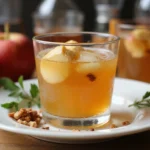
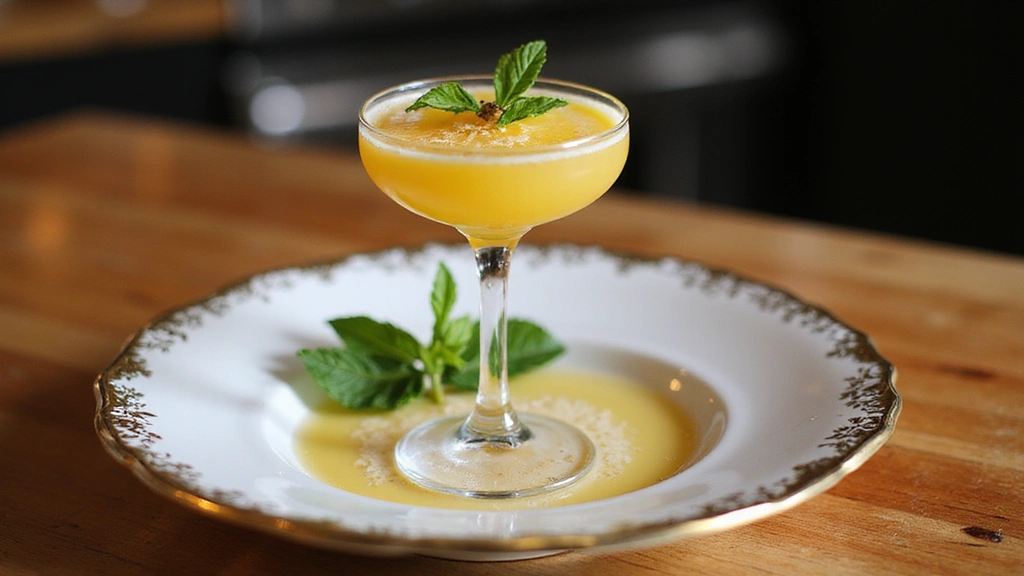
The French 75 cocktail is a timeless classic that embodies elegance and sophistication in a glass.
This delightful drink combines the botanical notes of gin with the effervescence of champagne, creating a refreshing and bubbly experience.
I first tasted this cocktail at a charming Parisian café, where it was served as a celebration of life and love.
Whether you’re toasting at a wedding or enjoying a casual brunch, the French 75 is sure to impress with its vibrant flavors and chic presentation.
The History and Cultural Significance
• French 75 Cocktail Recipes Elegant Champagne Gin Cocktail traces its origins to the early 20th century, where it was originally created during World War I by a French bartender.
• The drink evolved over decades as the popularity of gin and champagne grew, eventually becoming a staple in cocktail bars around the world.
• In French culture, this cocktail traditionally appears at celebrations such as weddings and New Year’s Eve parties, symbolizing joy and festivity.
• While many variations exist across different regions, the authentic version maintains the perfect balance of gin, lemon juice, sugar, and champagne that sets it apart from imitations.
Recipe Overview
Nutritional Information (per serving)
Ingredients
Essential Equipment Guide
Shaker: A quality cocktail shaker is crucial for mixing the ingredients thoroughly. Look for a durable stainless steel model that seals well to avoid spills.
Champagne Flutes: These long, narrow glasses enhance the visual appeal and allow for the proper release of bubbles. Choose crystal or high-quality glass for a more elegant presentation.
Jigger: Accurate measurement is key in cocktail making. A jigger allows you to measure the ingredients precisely, ensuring consistency and balance in flavor.
Preparation Methods
Mixing: This technique involves combining ingredients in a shaker to ensure a well-blended drink. Shake vigorously to incorporate air, enhancing the drink’s texture and flavor.
Straining: Straining helps ensure a smooth pour into the glass, removing any ice or pulp. Use a fine mesh strainer for the best results.
Garnishing: Proper garnishing adds visual appeal and aromatic elements to the cocktail. Use fresh ingredients and ensure they are placed attractively on the glass.
Step 1: Gather Ingredients
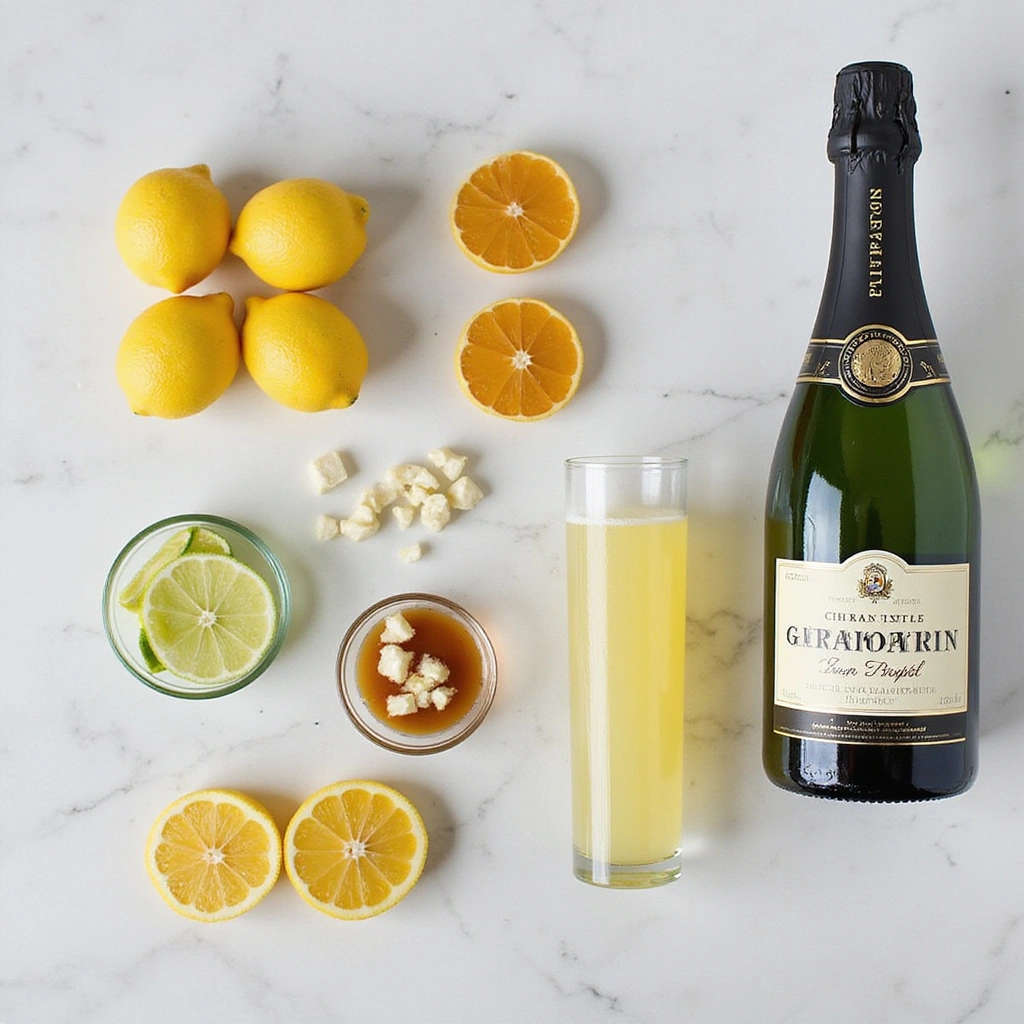
Begin by assembling all the necessary ingredients for the cocktail.
Make sure your gin, fresh lemons, simple syrup, and champagne are on hand.
Having everything prepared will streamline your cocktail-making process.
Double-check the quality of your ingredients for the best flavor.
Step 2: Prepare Simple Syrup
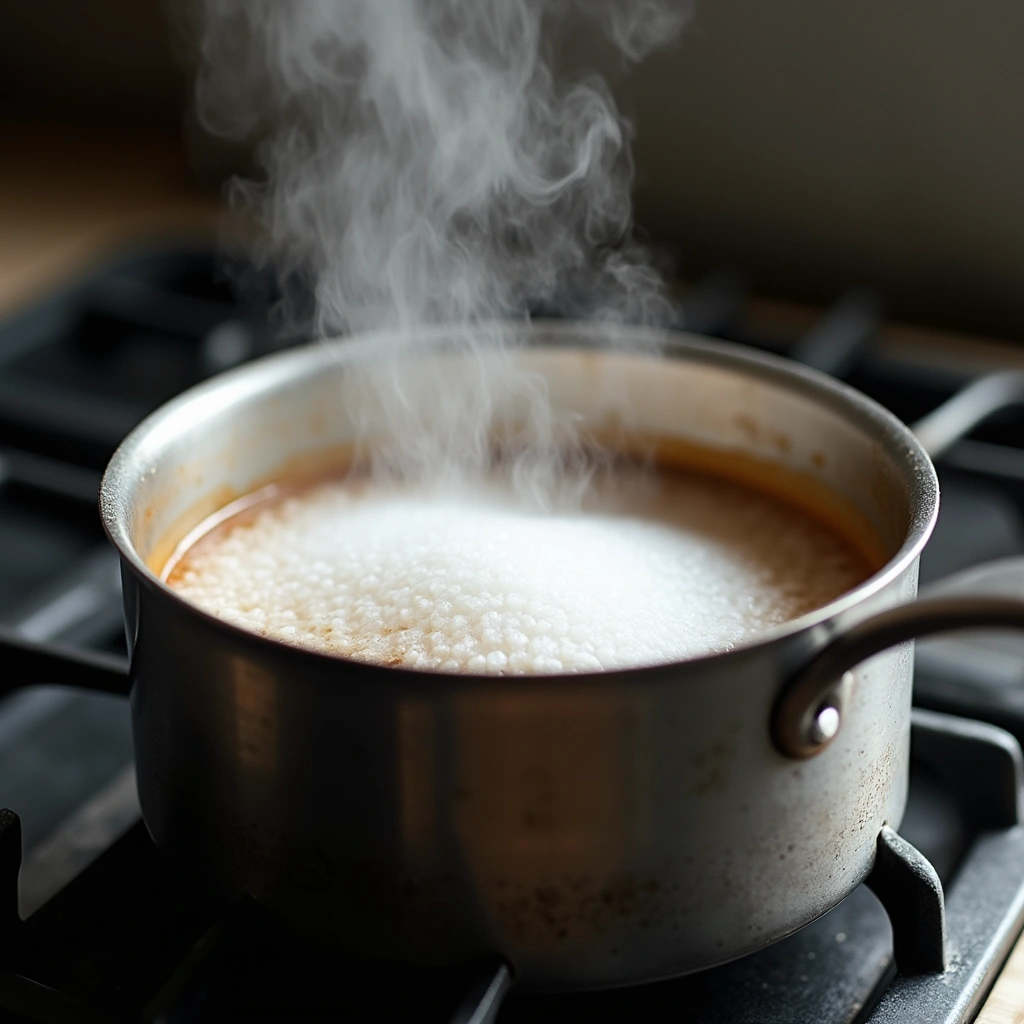
To make simple syrup, combine equal parts sugar and water in a small saucepan.
Heat gently until the sugar dissolves completely, stirring occasionally.
Let it cool before using, ensuring it has a syrupy consistency.
This syrup can be stored in the refrigerator for future cocktails.
Step 3: Juice the Lemons
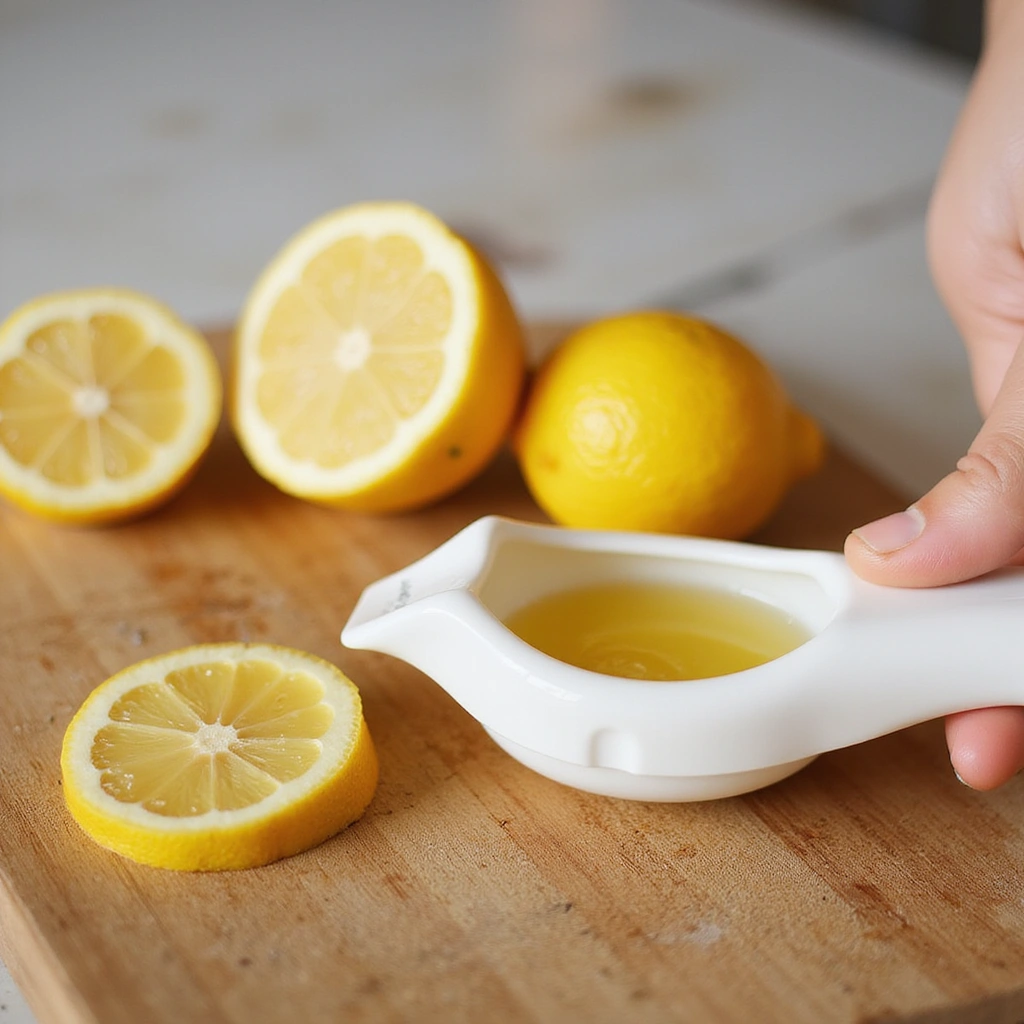
Cut your fresh lemons in half and use a citrus juicer to extract the juice.
Aim for about 1 ounce of juice per cocktail, ensuring no seeds are included.
Fresh lemon juice provides the best flavor and brightness for the cocktail.
Strain the juice if necessary to remove pulp.
Step 4: Measure Ingredients
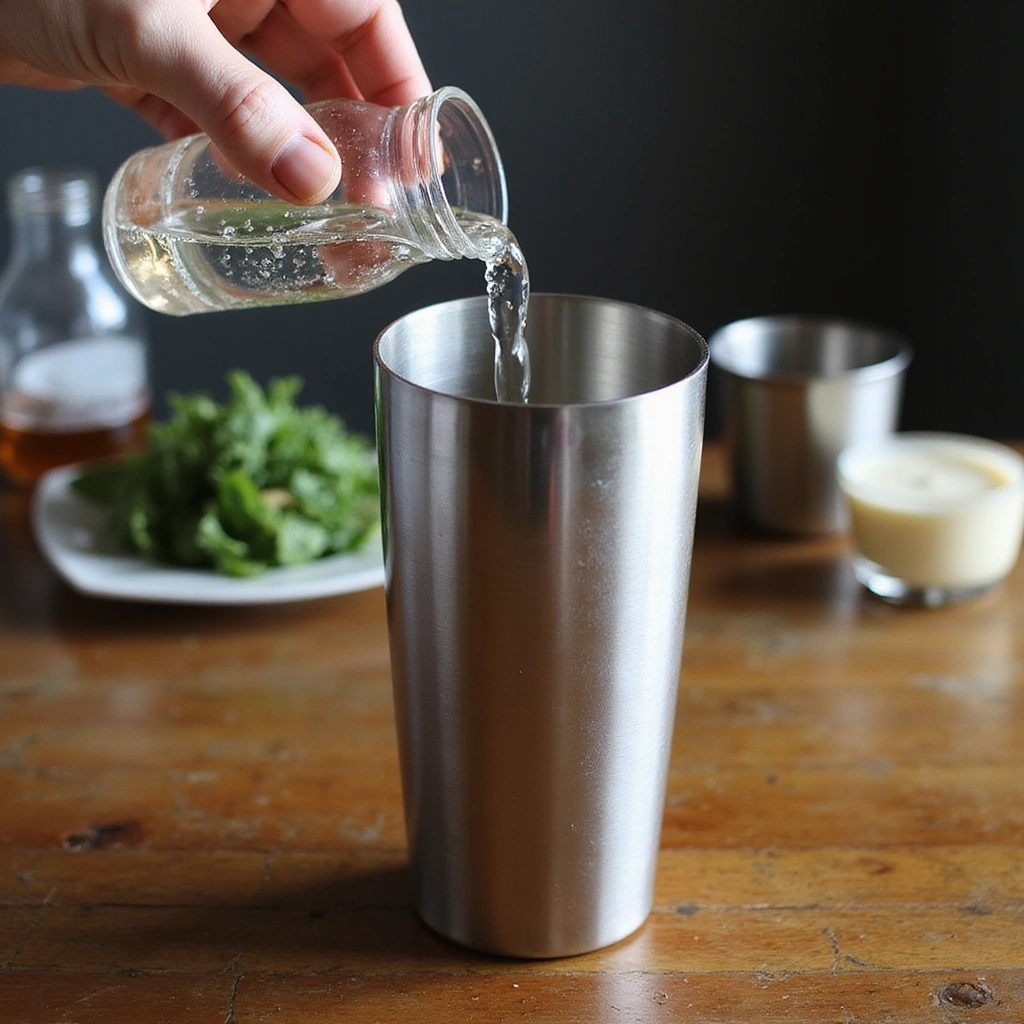
Using a jigger, measure 1 ounce each of gin, fresh lemon juice, and simple syrup.
Ensure accuracy in measurements for a balanced cocktail.
Pour each measured ingredient into your cocktail shaker.
This precision will enhance the overall flavor of the French 75.
Step 5: Shake the Mixture
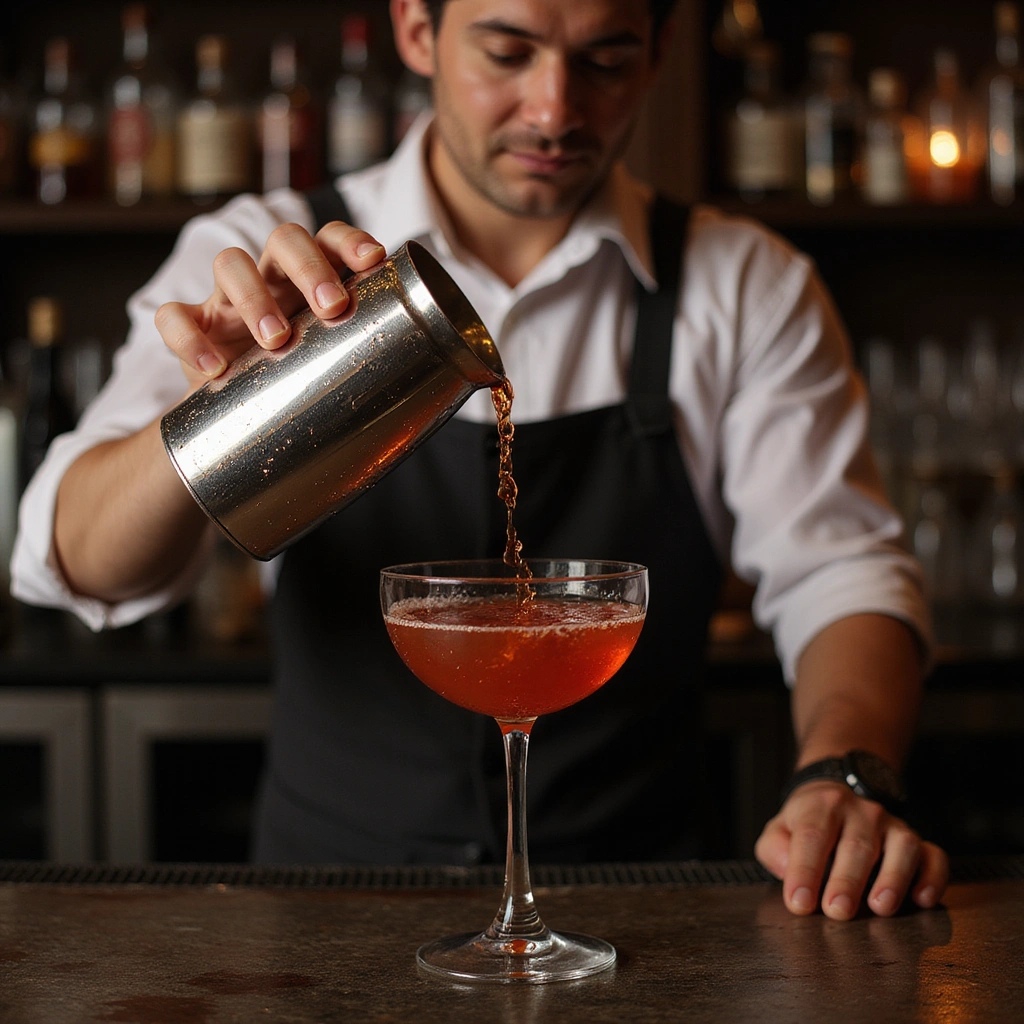
Place the lid on the shaker and shake vigorously for about 15 seconds.
This action chills and mixes the ingredients thoroughly, creating a frothy texture.
You should feel the shaker getting cold to the touch.
Ensure a tight seal to prevent any spills during shaking.
Step 6: Strain into Glasses
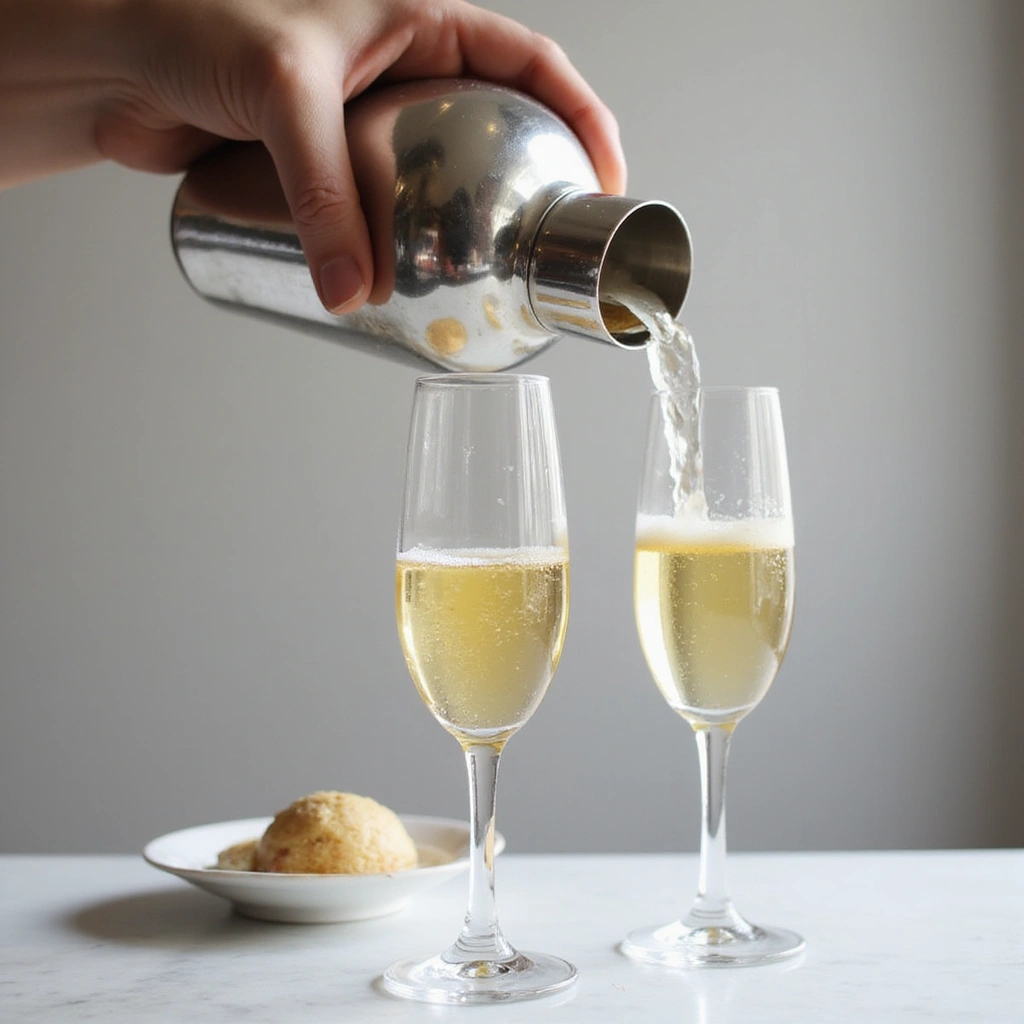
Remove the lid from the shaker and use a fine mesh strainer to pour the mixture into champagne flutes.
Fill each glass about halfway to allow room for champagne.
Straining ensures a smooth pour without ice or pulp.
Be careful not to overfill the glasses.
Step 7: Top with Champagne
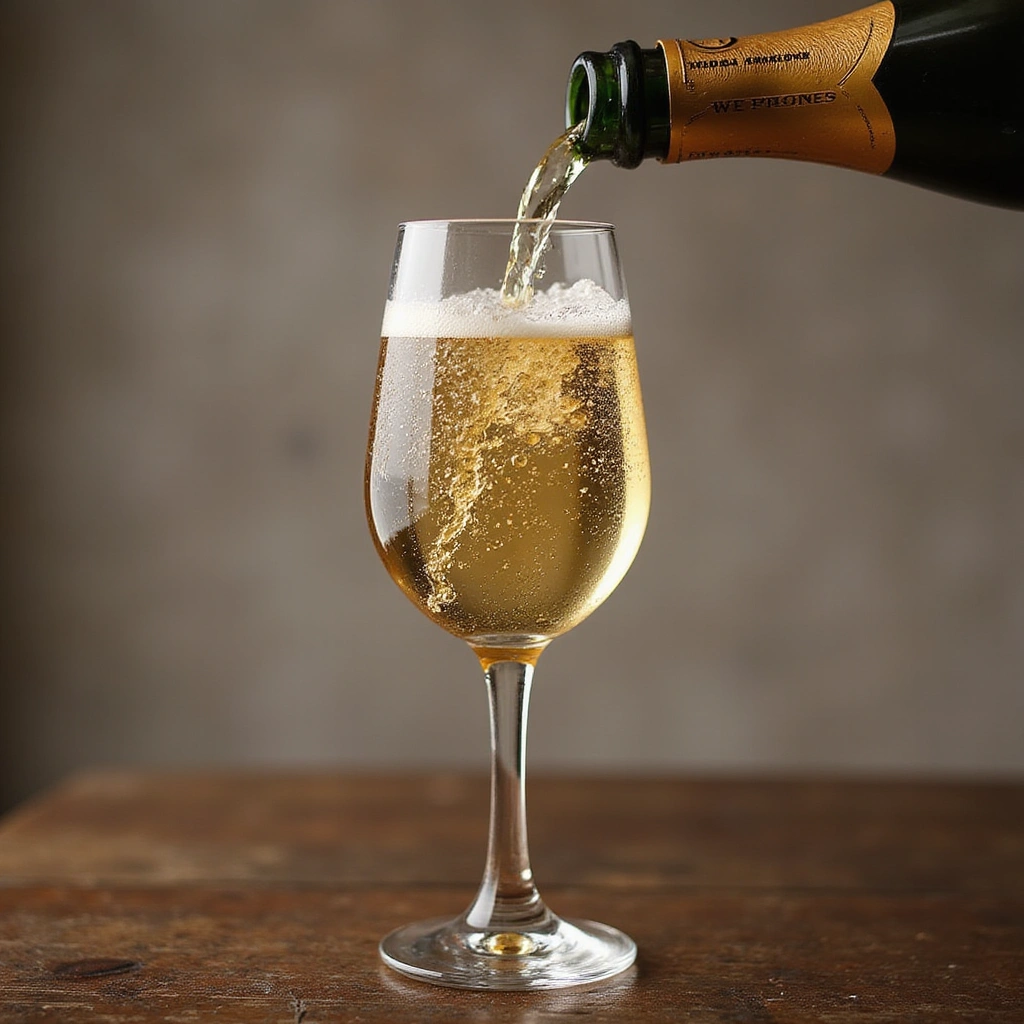
Slowly pour champagne into each flute, filling to the top.
This adds the signature bubbles and effervescence to the cocktail.
Pour gently to maintain the bubbles and avoid overflow.
A good quality champagne enhances the overall drink experience.
Step 8: Garnish and Serve
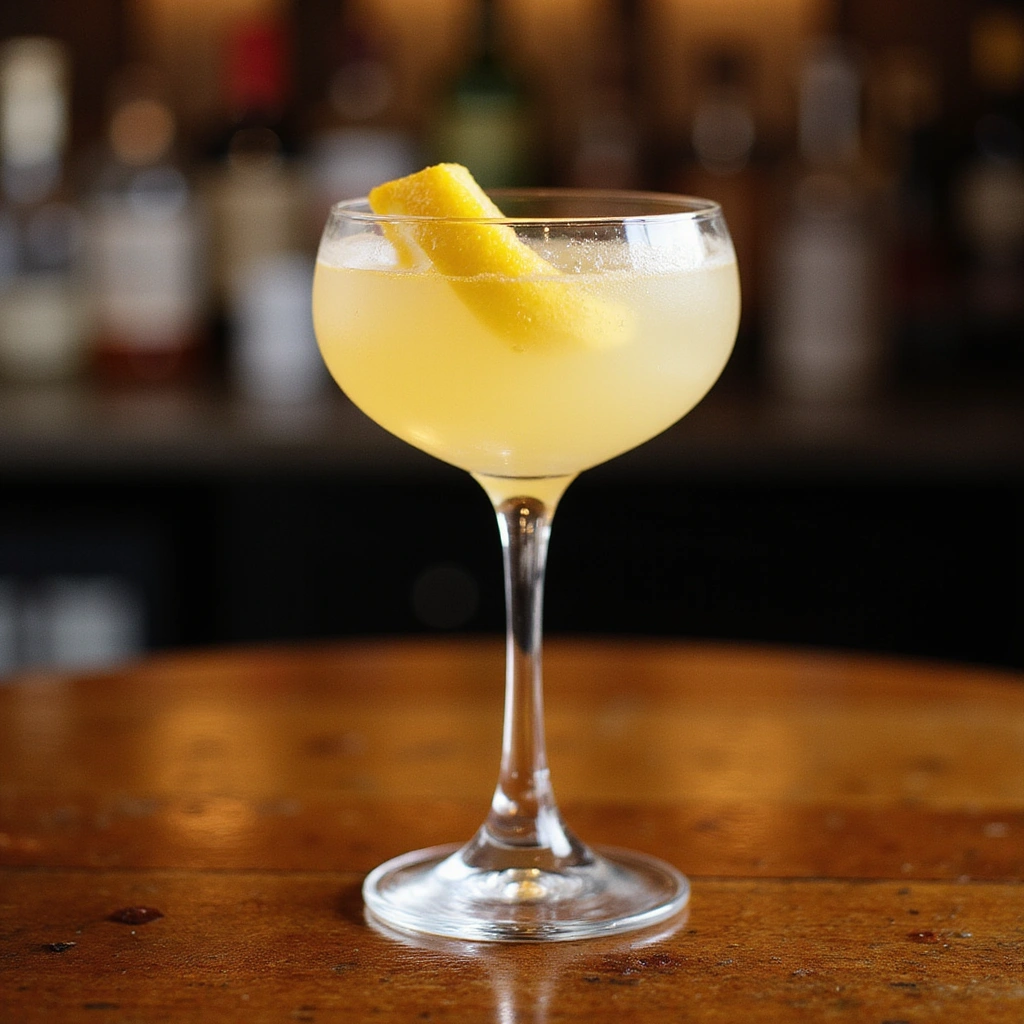
Finish the cocktail with a twist of lemon peel for garnish.
This adds a fresh aroma and enhances the visual appeal.
Serve immediately while the drink is still bubbly and refreshing.
Consider adding a cocktail napkin for an elegant touch.
Critical Timing and Temperature Guide
Shaking Time: Shake vigorously for 15 seconds. This ensures the ingredients are well combined and chilled. Avoid under-shaking, which can result in a less flavorful cocktail.
Cooling: Ensure all ingredients, especially the champagne, are chilled before serving. Warm champagne can dilute the cocktail and affect the taste. Store champagne in the refrigerator prior to serving.
Serving Temperature: Serve the cocktail immediately after preparation to enjoy its effervescence. Letting it sit too long can cause the bubbles to dissipate.
Pro Tips for French 75 Cocktail Recipes Elegant Champagne Gin Cocktail
• Ingredient Selection: Opt for a high-quality gin and fresh lemons for the best flavor impact.
• Preparation Secret: Chill your champagne flutes in the freezer for a few minutes before serving to keep the cocktail colder longer.
• Temperature Management: Ensure all ingredients are well chilled prior to mixing for the best effervescence.
• Texture Enhancement: Shake the cocktail vigorously to incorporate air, which enhances the drink’s mouthfeel.
• Flavor Layering: Experiment with flavored gins or add a splash of elderflower liqueur for a unique twist.
• Make-Ahead Strategies: Prepare the lemon juice and simple syrup in advance and store them in the refrigerator.
• Restaurant-Quality Finishing Touches: Use a vegetable peeler to create long, elegant lemon twists for garnishing.
• Equipment Optimization: A quality shaker makes a significant difference; choose one that feels sturdy in your hand.
Troubleshooting Common Issues
• Bubbles Dissipating Too Quickly: This can occur if the champagne is not chilled properly. Always ensure champagne is cold before pouring, and serve immediately after mixing.
• Too Sweet: If the cocktail is overly sweet, reduce the amount of simple syrup next time. Adjusting the sugar balance is crucial for taste.
• Flavor Imbalance: If the gin flavor is too strong, try a less potent gin or increase the lemon juice for balance.
• Not Fizzy Enough: Ensure you’re using freshly opened champagne, as flat champagne will lack bubbles. Avoid using champagne that has been opened for more than a day.
• Too Tart: If the drink is too acidic, add a touch more simple syrup to balance the flavors. Taste as you go to achieve the right blend.
Variations and Regional Differences
• American Style: This version often includes a splash of soda water for added fizz and a lighter feel.
• French 76: Swap gin for vodka for a different flavor profile while maintaining the cocktail’s signature effervescence.
• Herb-Infused French 75: Incorporate fresh herbs like rosemary or thyme to add depth and complexity to the drink.
• Modern Interpretations: Bartenders are experimenting with flavored gins and unique syrups, like lavender or hibiscus, to create contemporary twists on the classic.
Food Science Behind the Recipe
• Carbonation: The effervescence in the cocktail comes from the carbon dioxide in champagne, which enhances the sensory experience by providing texture and a refreshing mouthfeel.
• Acidity and Sweetness Balance: The interplay between the acidity of lemon juice and the sweetness of simple syrup creates a harmonious balance that is essential for a well-crafted cocktail.
• Temperature Effects: Chilling the ingredients not only enhances flavor but also helps maintain the bubbles in champagne, preventing them from dissipating too quickly.
Frequently Asked Questions
What’s the most common mistake people make when preparing a French 75? The most common mistake is using flat champagne. Always ensure your champagne is freshly opened and chilled before use.
Can I prepare components of this cocktail in advance? Yes, you can make the simple syrup and juice the lemons ahead of time. Store them in the refrigerator for up to a week.
How do I adapt this recipe for dietary restrictions? For a lower sugar version, substitute simple syrup with a sugar-free sweetener or reduce the amount used.
What’s the best way to store and reheat leftovers? Since this cocktail is best served fresh, there are no leftovers to store. However, any remaining ingredients can be stored individually.
Can I freeze this cocktail? Freezing is not recommended as it will alter the texture and carbonation of the drink.
What wine or beverages pair best with this cocktail? Light appetizers, seafood dishes, or fresh salads pair beautifully due to their refreshing flavors.
How can I scale this recipe up for a crowd? Simply multiply the ingredients by the number of servings needed, mixing in larger batches while maintaining the same ratios.
What side dishes complement this cocktail best? Light hors d’oeuvres like shrimp cocktail or bruschetta offer complementary flavors.
How do professional chefs elevate this cocktail for restaurant service? Many chefs use unique garnishes and high-end champagnes, along with artistic presentations, to make the drink visually stunning.
Serving and Presentation Guide
• Traditional Presentation: Serve the French 75 in elegant champagne flutes, garnished with a lemon twist. This classic look promotes the drink’s sparkle.
• Modern Plating Ideas: Consider serving in coupe glasses for a vintage feel, with edible flowers for a contemporary touch.
• Accompaniment Suggestions: Pair with light snacks like charcuterie boards or seafood appetizers to enhance the drinking experience.
• Special Occasion Presentation: For formal events, use crystal glassware and add a sprig of mint or additional citrus for an impressive finish.
Conclusion
The French 75 cocktail is a celebration of flavor and elegance that is perfect for any occasion.
With its delightful combination of gin, lemon, and champagne, it’s a drink that is sure to impress your guests.
I encourage you to try making this cocktail at home and savor its refreshing taste and effervescence.