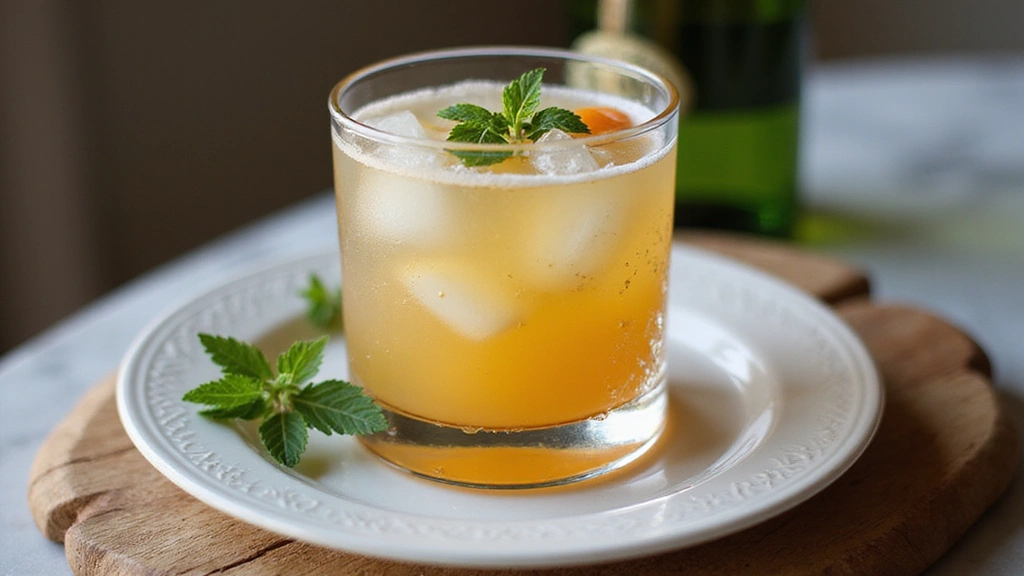
The St Germain and gin cocktail is a delightful blend of floral and botanical flavors that brings a touch of elegance to any gathering.
With its refreshing taste and beautiful presentation, this cocktail is perfect for warm summer evenings or celebratory occasions.
I first encountered this cocktail at a chic rooftop bar, where the combination of elderflower liqueur and gin captivated my palate.
Whether you’re entertaining friends or simply unwinding after a long day, this cocktail promises to elevate your spirits and impress your guests.
The History and Cultural Significance
• The St Germain and gin cocktail traces its origins to the early 2000s, inspired by the rise of craft cocktails in bars across the globe.
• The drink evolved as bartenders began experimenting with elderflower liqueur, creating new combinations to highlight its unique flavor profile.
• In modern cocktail culture, this drink traditionally appears at upscale events and summer soirées, symbolizing sophistication and celebration.
• While many variations exist, the authentic version maintains the combination of high-quality gin and St Germain, ensuring a well-balanced and refreshing experience.
Recipe Overview
Nutritional Information (per serving)


Ingredients
Essential Equipment Guide
Shaker: A shaker is essential for mixing the ingredients thoroughly and chilling the cocktail effectively. Look for a two-piece or three-piece shaker for better aeration and ease of use.
Strainer: A good strainer is important to ensure a smooth pour without ice or herbs in the finished cocktail. A fine mesh strainer works best for delicate drinks like this one.
Jigger: This tool helps measure the precise amounts of each ingredient, ensuring consistency and balance in each drink. Choose a jigger with both ounce and milliliter measurements for versatility.
Preparation Methods
Shaking: Shaking is crucial for mixing the cocktail ingredients and chilling them rapidly. Fill the shaker with ice and shake vigorously for about 15 seconds until well chilled. This helps to combine flavors while incorporating air for a lighter texture.
Straining: Straining ensures that only the liquid components make it into the glass, maintaining a clean presentation. Use a fine mesh strainer for best results, especially when dealing with fresh herbs or fruit.
Garnishing: Garnishing elevates the cocktail’s visual appeal and adds aromatic elements that enhance the drinking experience. Use fresh herbs or citrus twists, and place them thoughtfully for a polished look.
Step 1: Prepare Ingredients
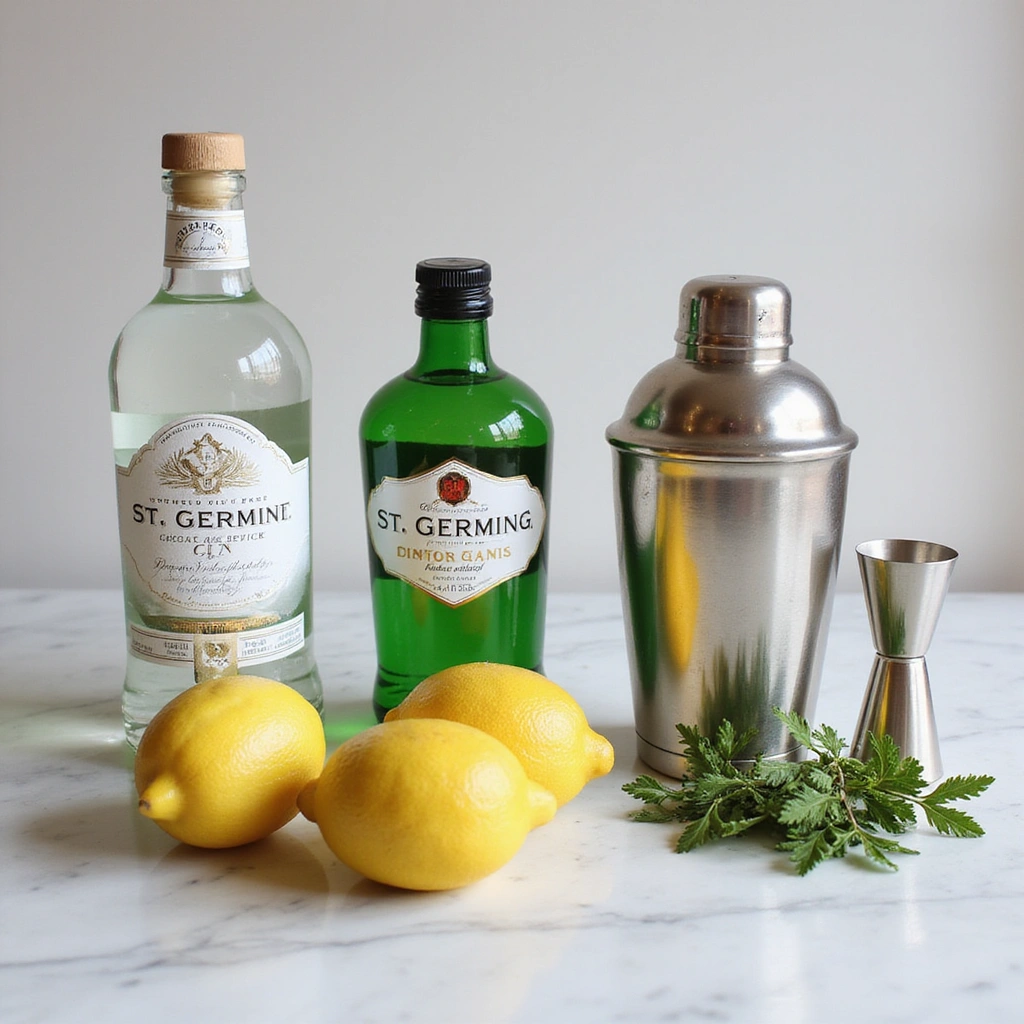
Gather all the ingredients needed for the cocktail.
Make sure the gin, St Germain, and lemon juice are fresh and chilled.
Having everything ready will streamline the preparation process.
Measure out each ingredient using a jigger for accuracy.
Step 2: Fill the Shaker
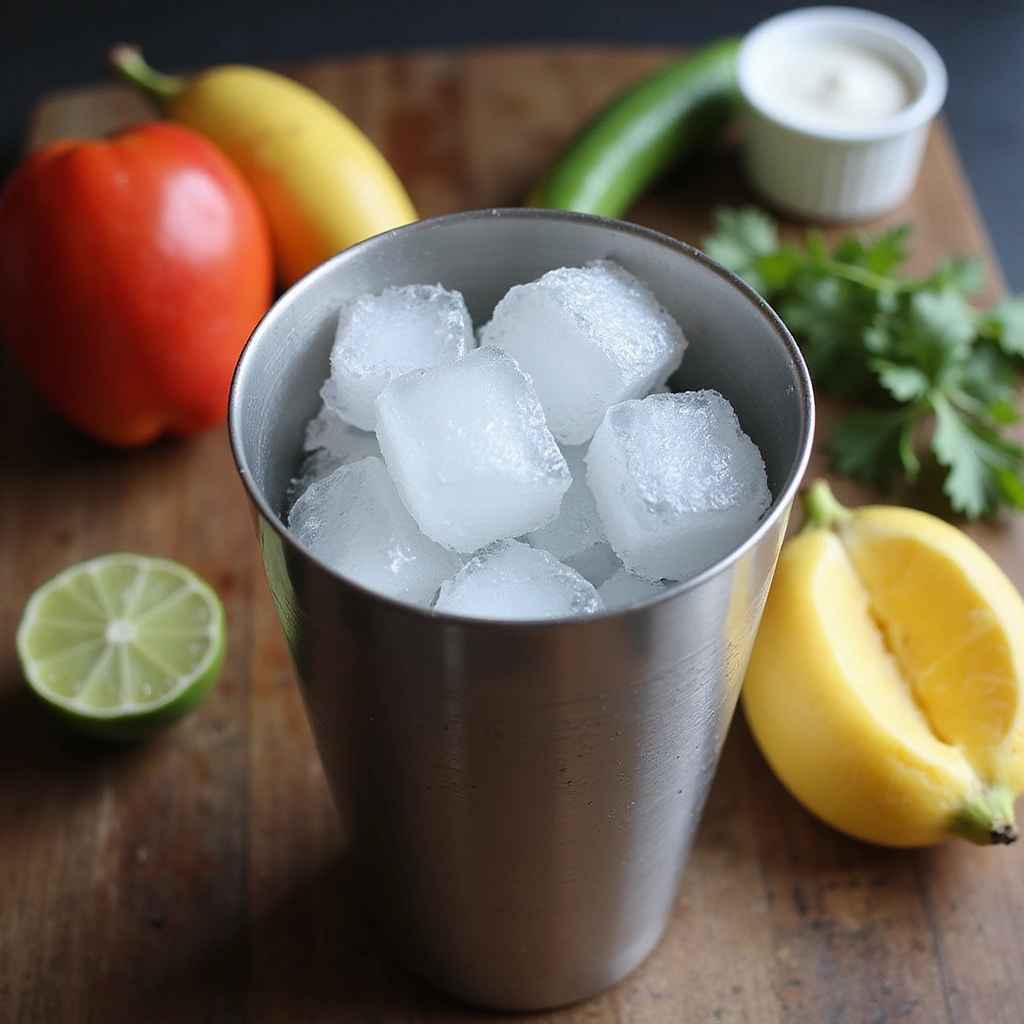
Fill your shaker with ice, ensuring it’s about halfway full.
This will help chill the ingredients quickly while mixing.
Avoid overfilling to allow enough space for proper shaking.
Use fresh ice for the best results, as older ice can dilute the cocktail too quickly.
Step 3: Add Ingredients to Shaker
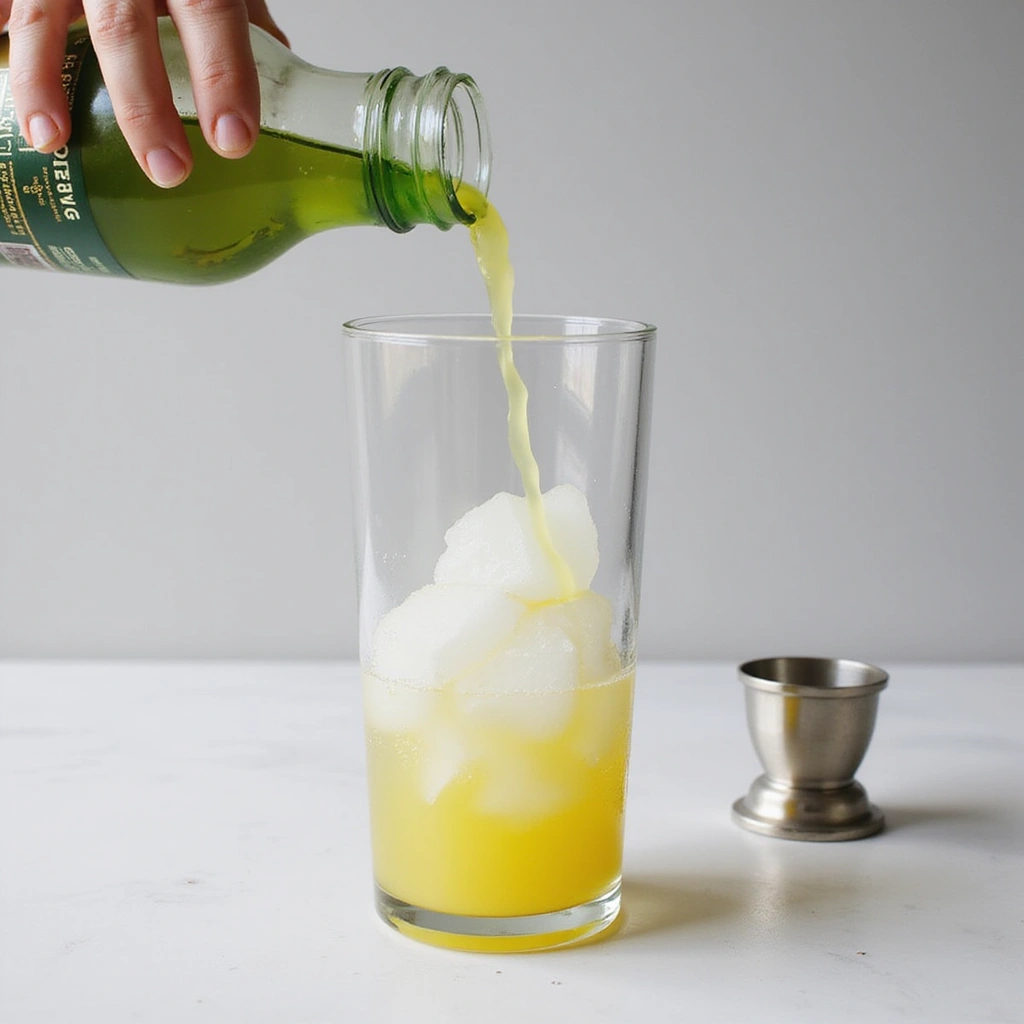
Pour the gin, St Germain, and fresh lemon juice into the shaker over the ice.
This layering helps with the mixing process as you shake.
Ensure the measurements are precise for optimal flavor balance.
Close the shaker tightly to prevent leakage during shaking.
Step 4: Shake the Mixture
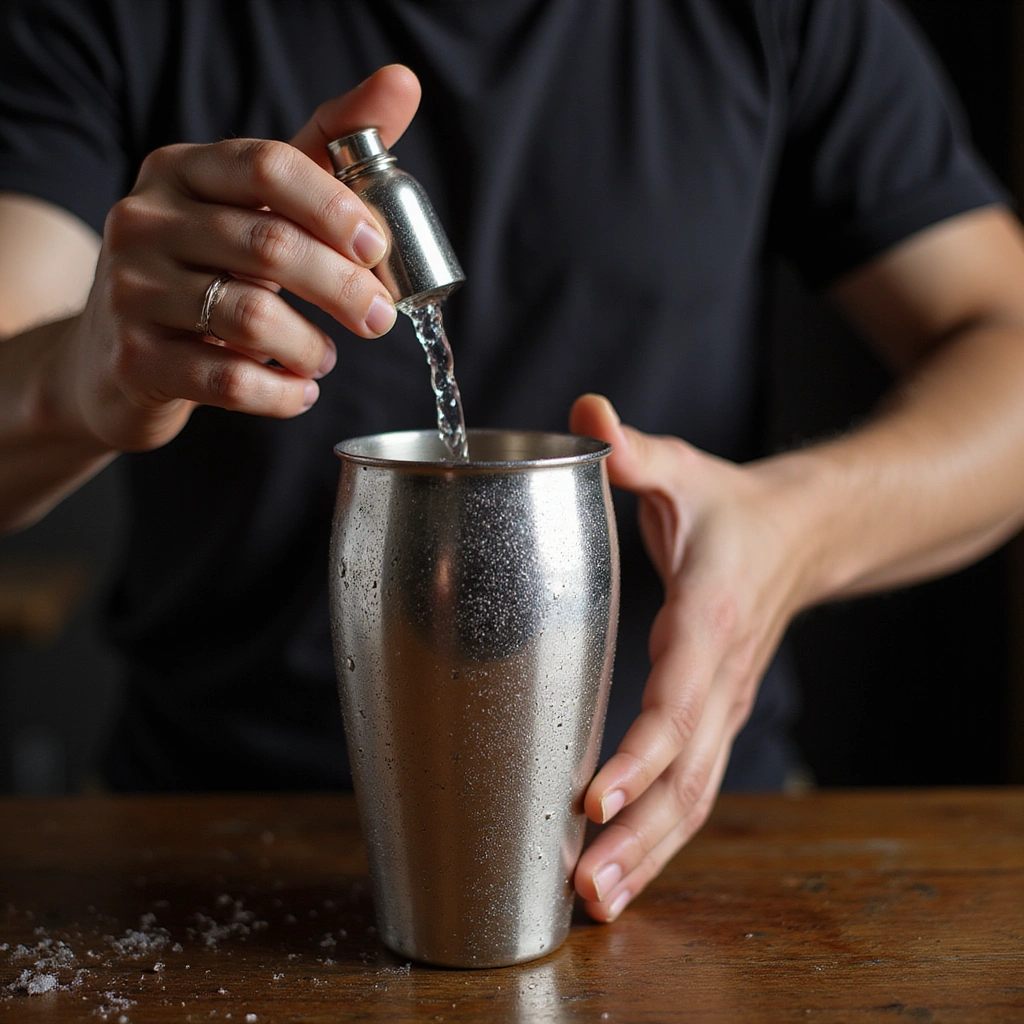
Secure the lid on the shaker and shake vigorously for about 15 seconds.
The goal is to chill the mixture thoroughly and achieve a frothy texture.
You should feel the shaker getting cold to the touch.
Shaking too long can dilute the cocktail, so keep an eye on your timing.
Step 5: Strain the Cocktail
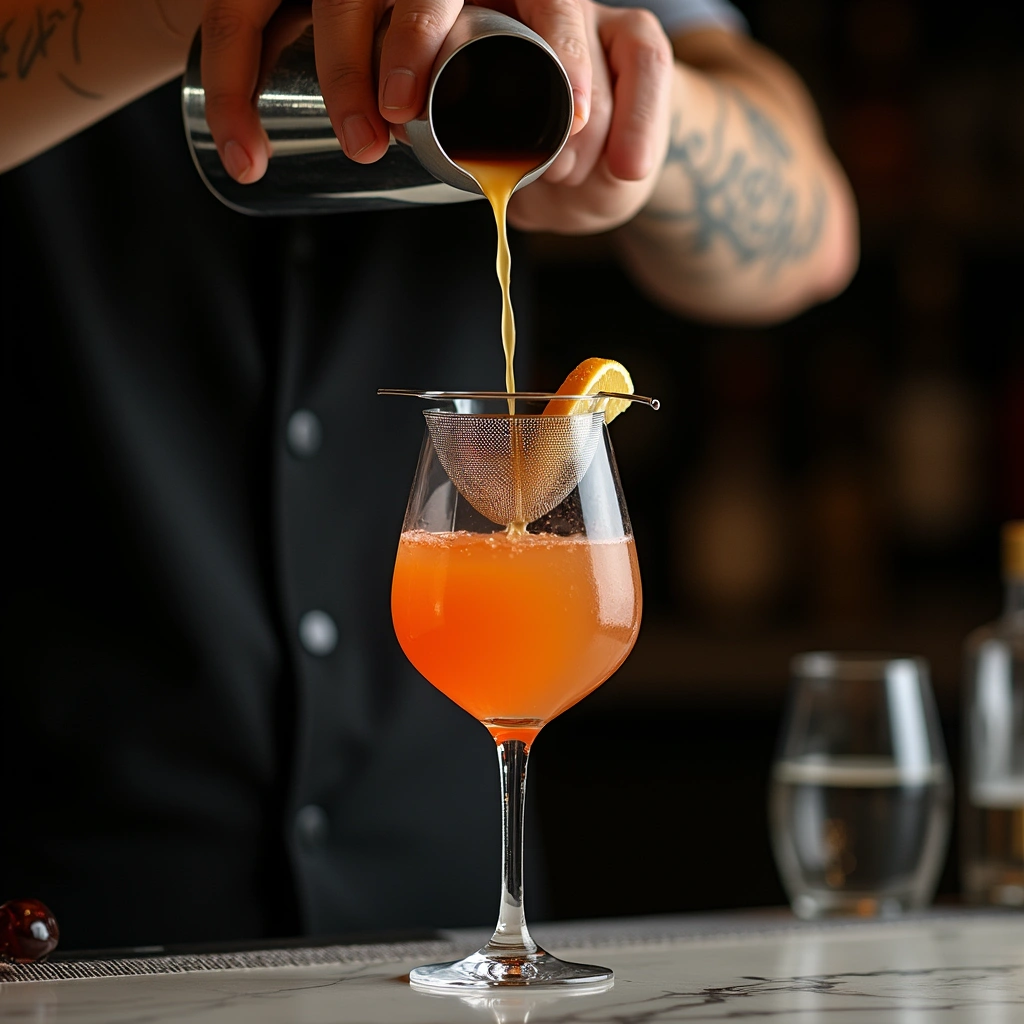
Remove the lid from the shaker and place a strainer over the opening.
Pour the cocktail into a chilled glass, ensuring a smooth flow without ice or herbs.
Strain thoroughly to capture all the liquid and avoid any unwanted particles.
A fine mesh strainer may be used for an even cleaner pour.
Step 6: Top with Soda Water
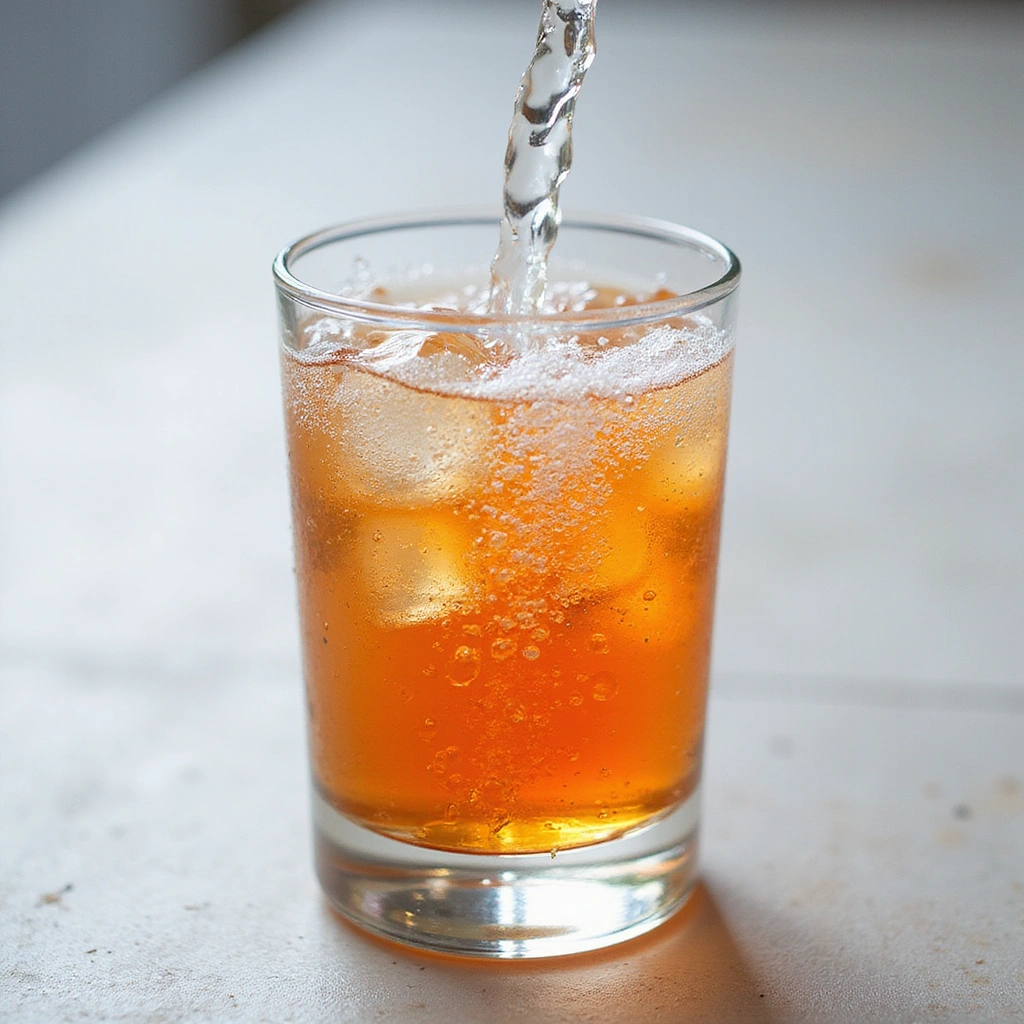
Add the soda water gently to the strained cocktail in the glass.
This adds a refreshing fizz that lightens the drink.
Pour slowly to avoid excessive bubbling and spilling.
Adjust the amount to taste; feel free to add more or less depending on your preference.
Step 7: Garnish the Cocktail
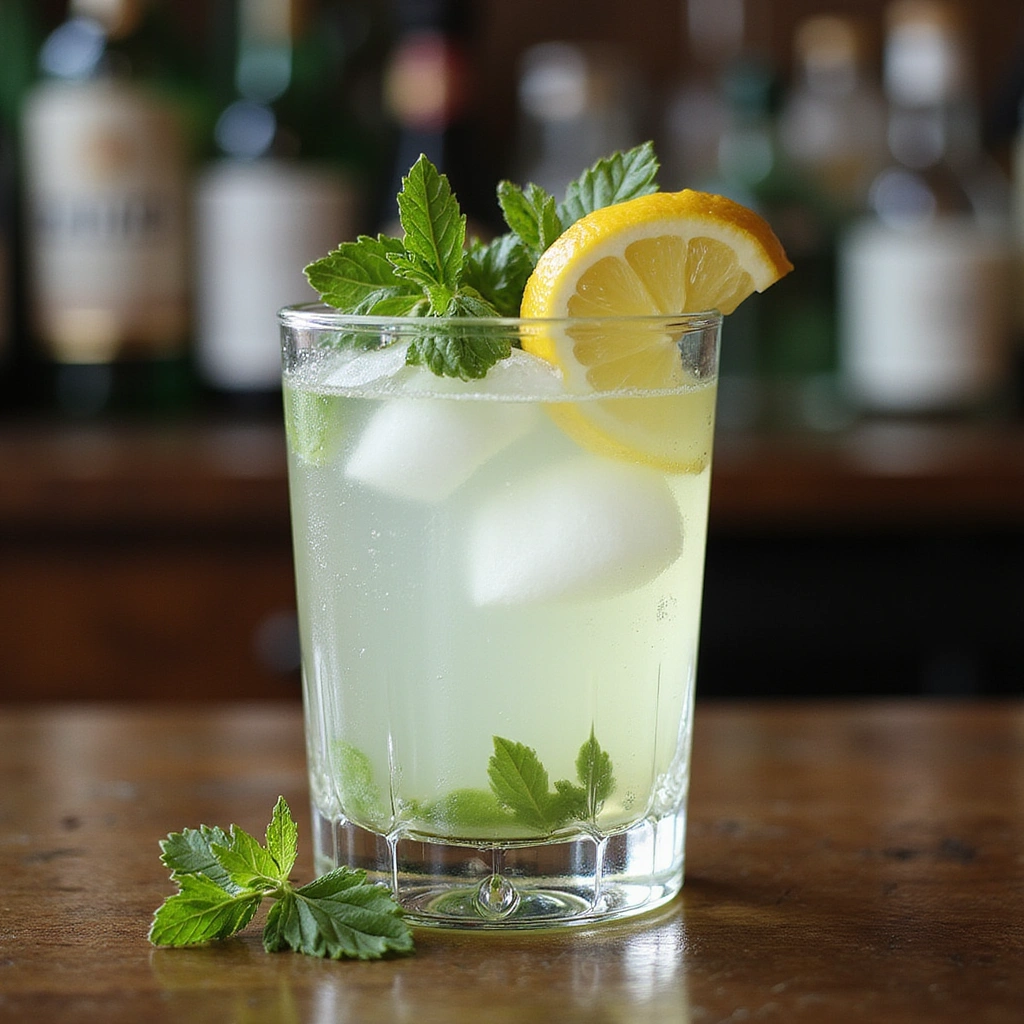
Choose your preferred garnish, such as fresh mint or basil sprigs.
Place the herbs gently on top of the drink for visual appeal and aroma.
You can also add a lemon twist for an extra citrus touch.
Ensure the garnish complements the cocktail without overpowering it.


Step 8: Serve and Enjoy

Present the cocktail to your guests or enjoy it yourself.
Encourage sipping slowly to appreciate the complex flavors.
Pair with light appetizers or enjoy as a refreshing standalone drink.
Make sure to enjoy the ambiance and relax as you savor this elegant cocktail.
Critical Timing and Temperature Guide
Chilling the Cocktail: Shake the cocktail for exactly 15 seconds for optimal chilling. Look for the shaker to be cold to the touch. Avoid over-shaking, which can dilute the drink.
Adding Soda Water: Top the cocktail with soda water just before serving. Use chilled soda for the best results. This creates a refreshing effervescence that complements the drink.
Garnishing: Garnish just before serving to maintain the freshness of herbs. Fresh herbs can wilt quickly, so keep them cool until ready to use.
Pro Tips for St Germain And Gin Cocktail Recipes Elegant And Refreshing
• Ingredient Selection: Choose a high-quality gin with botanical notes that complement the elderflower liqueur for a balanced flavor.
• Preparation Secret: Chill all components beforehand, including the glassware, for an extra refreshing experience.
• Temperature Management: Ensure your ice is fresh and not old or frosty, as it can dilute the cocktail too quickly.
• Texture Enhancement: Use a vigorous shaking technique to incorporate air, giving the drink a light and frothy texture.
• Flavor Layering: Experiment with different herbs for garnishing; each will add unique aromas and flavors.
• Make-Ahead Strategies: Pre-mix the gin and St Germain, then add lemon juice and soda water right before serving to maintain freshness.
• Restaurant-Quality Finishing Touches: Serve in elegant glassware and consider a unique ice cube for visual flair.
• Equipment Optimization: A weighted shaker can help achieve better mixing; consider investing in quality tools for best results.
Troubleshooting Common Issues
• Over-Diluted Cocktail: This usually happens from shaking too long or using warm ice. If this occurs, try shaking for a shorter period and ensure your ice is fresh and cold.
• Unbalanced Flavors: If the cocktail tastes too sweet or sour, adjust the measurements slightly. Adding a bit more gin can balance excess sweetness from the St Germain.
• Insufficient Fizz: If the drink lacks effervescence, check if your soda water is fresh and carbonated. Use chilled soda water to maintain its bubbles.
• Weak Aroma: If the drink lacks fragrant notes, ensure to use fresh herbs for garnishing, and consider adding a bit more to enhance the aroma.
• Too Strong or Weak: Adjust the ratio of gin to St Germain based on your preference. Experimenting with quantities can help you find your perfect balance.
• Unappealing Appearance: Use a clean glass and fresh garnishes to ensure the cocktail looks as good as it tastes.
Variations and Regional Differences
• French 75 Variation: This version includes champagne instead of soda water, creating a bubbly and celebratory drink perfect for special occasions.
• Herbal Twist: Incorporate fresh herbs like rosemary or thyme into the shake for an earthy twist that complements the floral notes.
• Fruit-Infused Version: Muddle fresh berries or citrus fruits in the shaker for a fruity spin that enhances the drink’s flavor.
• Modern Interpretations: Some bartenders create slushy versions by blending with ice, offering a refreshing twist on the classic cocktail.
Food Science Behind the Recipe
• Emulsification: The shaking process creates a temporary emulsion between the ingredients, enhancing the drink’s texture and mouthfeel.
• Carbonation Science: The addition of soda water introduces carbonation, which changes the mouthfeel and enhances the perception of flavor.
• Flavor Volatility: Fresh herbs release volatile compounds when muddled or shaken, enhancing the cocktail’s aroma and overall sensory experience.
Frequently Asked Questions
What’s the most common mistake people make when preparing St Germain and gin cocktails? The most common mistake is over-shaking, leading to a diluted cocktail. Aim for about 15 seconds of shaking.
Can I prepare components of this cocktail in advance? Yes, you can mix the gin and St Germain ahead of time but add lemon juice and soda just before serving to maintain freshness.
How do I adapt this recipe for dietary restrictions? For a lower-sugar option, consider using a sugar-free soda or sparkling water instead of regular soda water.
What’s the best way to store and reheat leftovers? This cocktail is best served fresh and should not be stored. However, you can keep the pre-mixed gin and St Germain in the fridge for a day.
Can I freeze this cocktail? Freezing is not recommended as the texture and flavors will change. However, you can freeze individual components like herbs for future use.
What wine or beverages pair best with this cocktail? Light, crisp wines like Sauvignon Blanc or sparkling wines complement the floral notes of the cocktail.
How can I scale this recipe up for a crowd? Multiply the ingredient amounts by the number of servings needed and mix in a larger batch, adjusting the soda water as necessary for carbonation.
What side dishes complement this cocktail best? Light appetizers such as bruschetta, shrimp cocktails, or cheese platters pair well with the refreshing qualities of this drink.
How do professional chefs elevate this cocktail for restaurant service? Professional chefs often use unique glassware, high-quality ingredients, and elaborate garnishes to create an impressive presentation.
Serving and Presentation Guide
• Traditional Presentation: Serve the cocktail in a classic coupe or highball glass, garnished with a sprig of fresh herbs and a lemon twist for elegance.
• Modern Plating Ideas: Consider using clear glassware to showcase the drink’s color and texture, and add colorful garnishes like edible flowers for a contemporary touch.
• Accompaniment Suggestions: Pair the cocktail with light, fresh dishes such as salads, seafood, or charcuterie boards that highlight its refreshing qualities.
• Special Occasion Presentation: For celebrations, serve the cocktail in champagne flutes and consider adding a splash of sparkling wine for an elevated experience.
Conclusion
The St Germain and gin cocktail is a sophisticated yet simple drink that can elevate any occasion.
I encourage you to try making this cocktail and share it with friends and family.
Its refreshing flavors and beautiful presentation are sure to impress everyone at your gathering.